
Guide
What Actually Happens When You Call for a Fremont Garage Door Repair
A breakdown of what a Fremont Garage Door Pros service call actually inspects, tied to this area's 1960s-70s housing stock and mild climate - not a generic checklist.
Local detail
When Waiting Is Fine
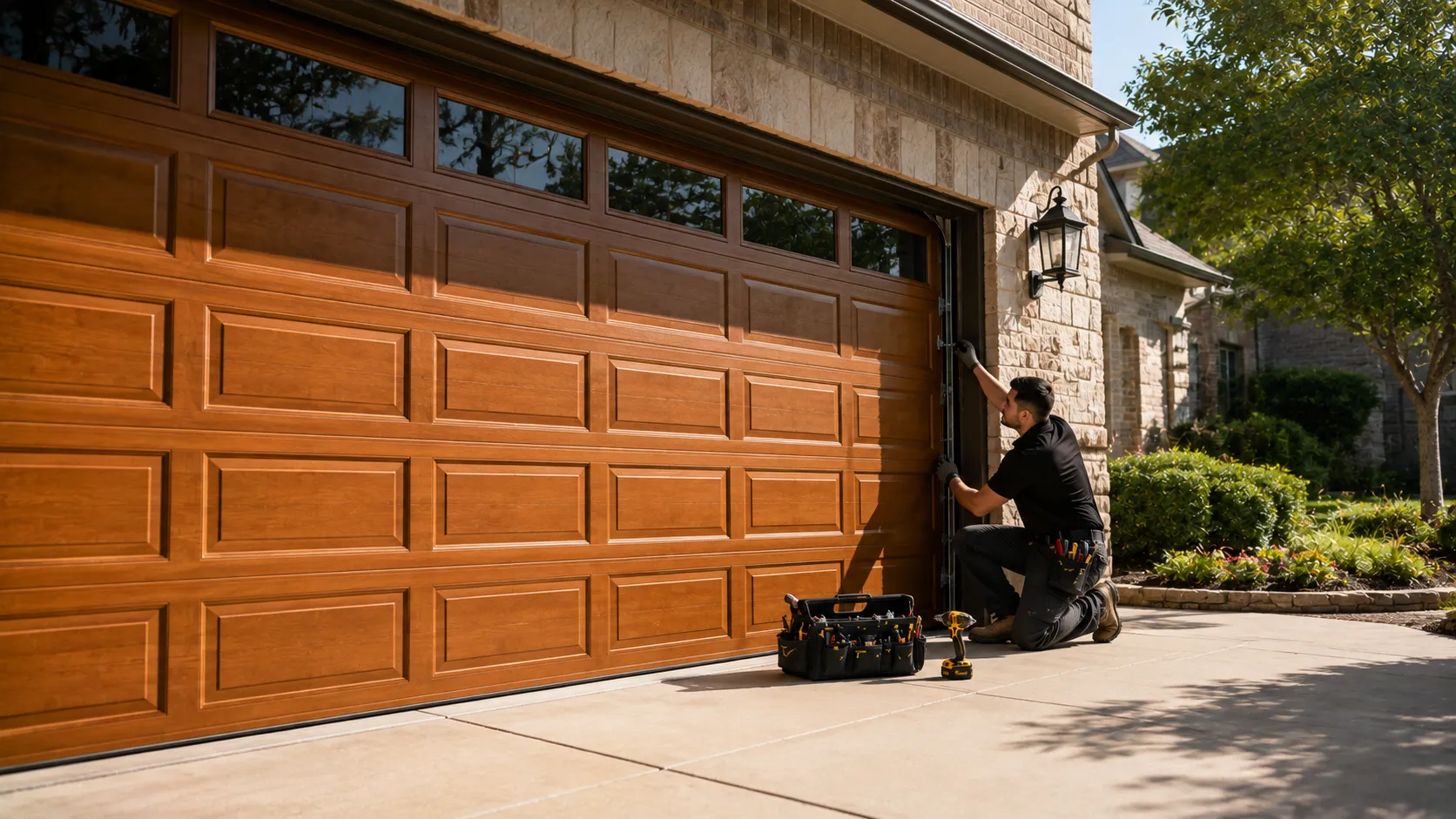
Not every noise or hitch means you need a truck out today. A door that groans on the way up but still opens and closes flat, a light that flickers on the opener but doesn't stop the door from working - these can usually wait a week or two for a scheduled visit rather than an emergency call. Fremont sits in a mild temperate band, so we don't get the freeze-thaw cycling that seizes hardware overnight the way it does in colder parts of the country. Metal doesn't contract and crack from a hard frost here, and that buys you time most homeowners in harsher climates don't get.
If the door reverses on its own before touching the floor, or a cable looks frayed, that's different - that's a same-day call, not a wait-and-see. But cosmetic panel dents, slow openers, and squeaky rollers on an otherwise functional door are the kind of thing you can schedule around your week instead of dropping everything for. We'd rather tell you it's fine to wait than run a truck out for something that isn't urgent.
The area
What Is Going On
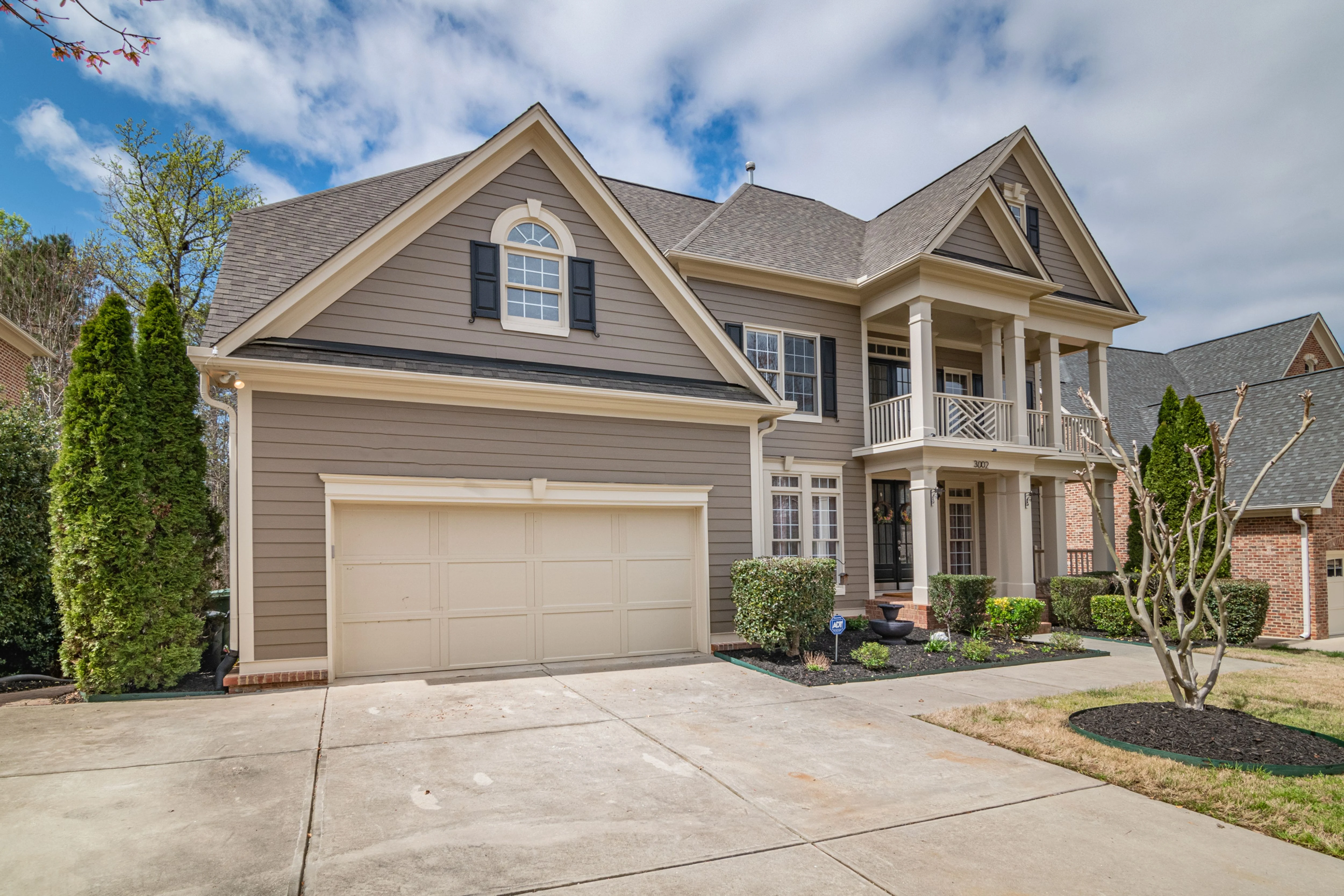
Most of the housing across this service area went up between 1955 and 2005, with a median build year of 1966 - which puts a lot of the original garage door hardware squarely in the 55-to-60-year range. In neighborhoods like Niles, Mission San Jose, and Warm Springs, where that 1960s-70s wave of construction is heaviest, we still find original torsion springs and early chain-drive openers doing work they were never rated to do this long. Springs are rated in cycles, not years, and a spring installed when a house in Central District or Kimber-Gomes was framed has been through decades of daily openings it was designed to survive, but not indefinitely.
What's actually going on when a door starts binding or the opener strains is usually simple: the spring has lost tension, or the track has drifted out of alignment as the house has settled over sixty-plus years. It's rarely one dramatic failure - it's fatigue, cycle by cycle, in hardware nobody's touched since it was installed.
What we find
What to Check
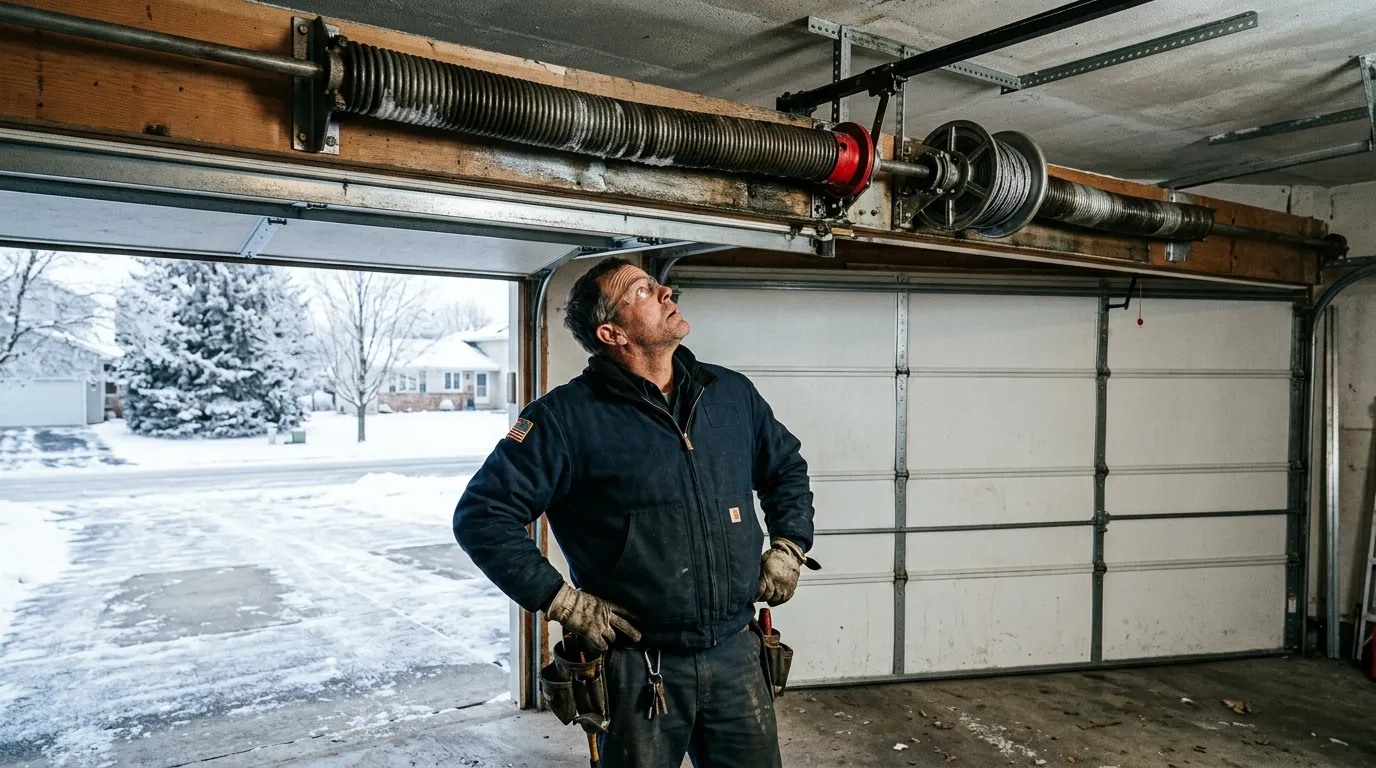
Before you call, a few things take two minutes and tell us a lot. Look at the springs above the door - if it's a torsion spring across the top, check for a visible gap in the coil, which means it's already broken. Pull the manual release and try lifting the door by hand; it should feel roughly balanced, not fight you or slam down. Listen for grinding versus squeaking - grinding usually means a roller or bearing, squeaking is often just dry hinges.
Check the track for gaps between the roller and the rail, especially near the bottom section, which is where age-related sag shows up first in original 1960s-era steel track. If your opener is original to a house built in that median-1966 window, note the brand and any model number visible on the housing - parts for openers that old are often discontinued, and that changes whether repair or replacement makes more sense. None of this requires tools, just a flashlight and five minutes, and it saves back-and-forth on the phone before we're on site.
How we work
How Local Conditions Play In
The mild climate here works in your favor on the mechanical side - no ice damming the track, no extreme heat swarping panels the way it does in the Central Valley. What drives most calls in this area isn't weather, it's age. With housing across the service area built mostly in the 1955-2005 window and median household income at $193,633 across 129,215 owner-occupied houses, we see a pattern: when hardware from the 1960s and 70s finally gives out, most owners here choose full replacement over patching a door that's already outlived its design life, rather than stacking repair costs on something original to the house.
That's not true everywhere - in areas with lower turnover or tighter budgets, patch repairs make more sense for longer. Here, once a spring or opener is original to a 1966-median-year house, the math usually favors replacing rather than nursing it another few years. One limitation worth naming: if your opener or spring size isn't a common modern equivalent, parts can take longer to source than the repair itself takes to perform.
Questions
Common questions
Is it normal for my garage door to still have its original opener after this many years?
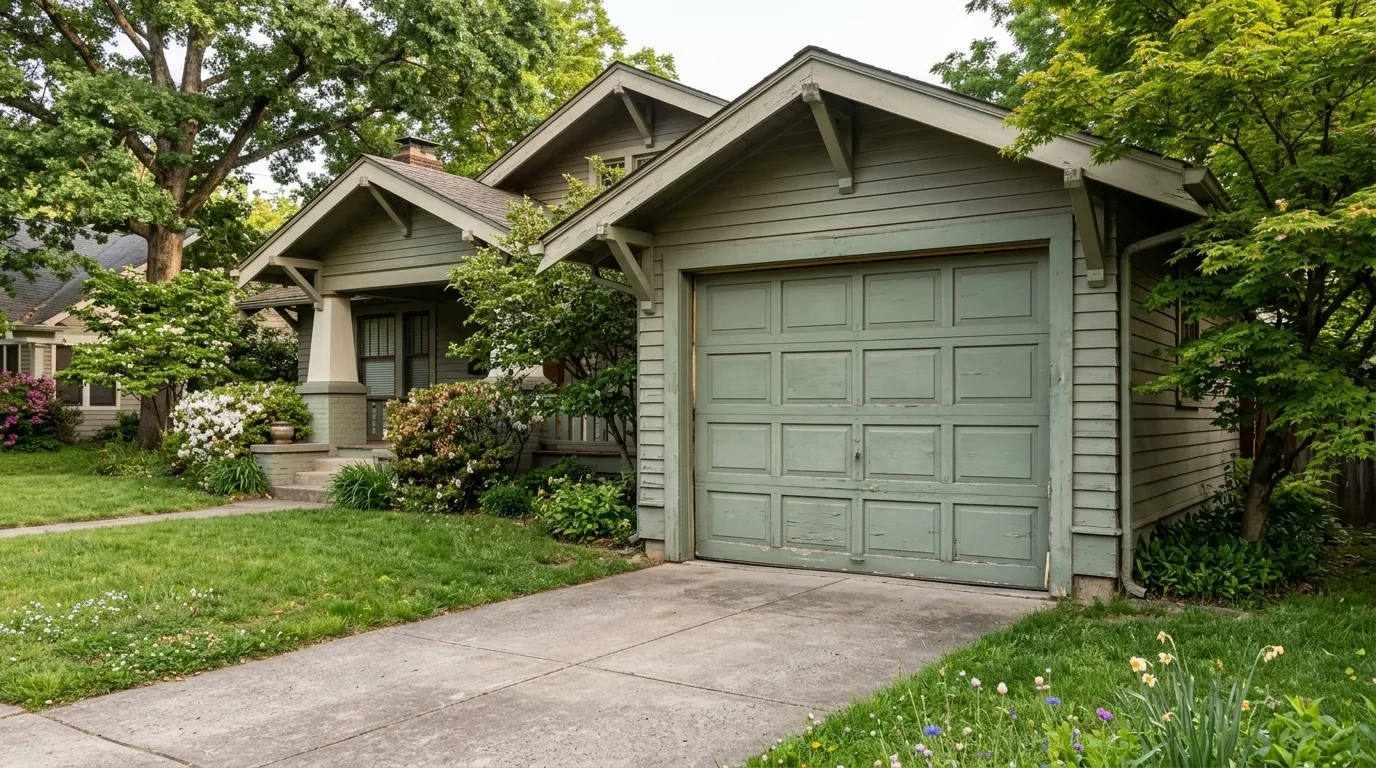
Given that median home construction across this area is 1966, yes - it's common to find original chain-drive openers still running in older sections like Niles or Mission San Jose. Whether it's worth keeping depends on parts availability and how it's performing now, not just its age.
Does Fremont's climate cause garage door problems the way cold winters do elsewhere?
Not in the same way. The mild temperate climate here means we don't see the freeze-related seizing or cracking that colder regions deal with. Most issues locally trace back to age and cycle fatigue in older hardware, not weather stress.
Should I repair or replace a door original to a 1960s-era house?
It depends on the specific part. A worn spring alone is usually a repair. But if the opener, track, and springs are all original to a house from that median 1966 construction window, replacement often costs less over time than repairing each part separately as it fails.
Ready when you are
Need a garage door sorted in Fremont?
Fremont Garage Door Pros repairs and installs garage doors, springs and openers in Fremont, CA and the surrounding area.