
Older Torsion Systems
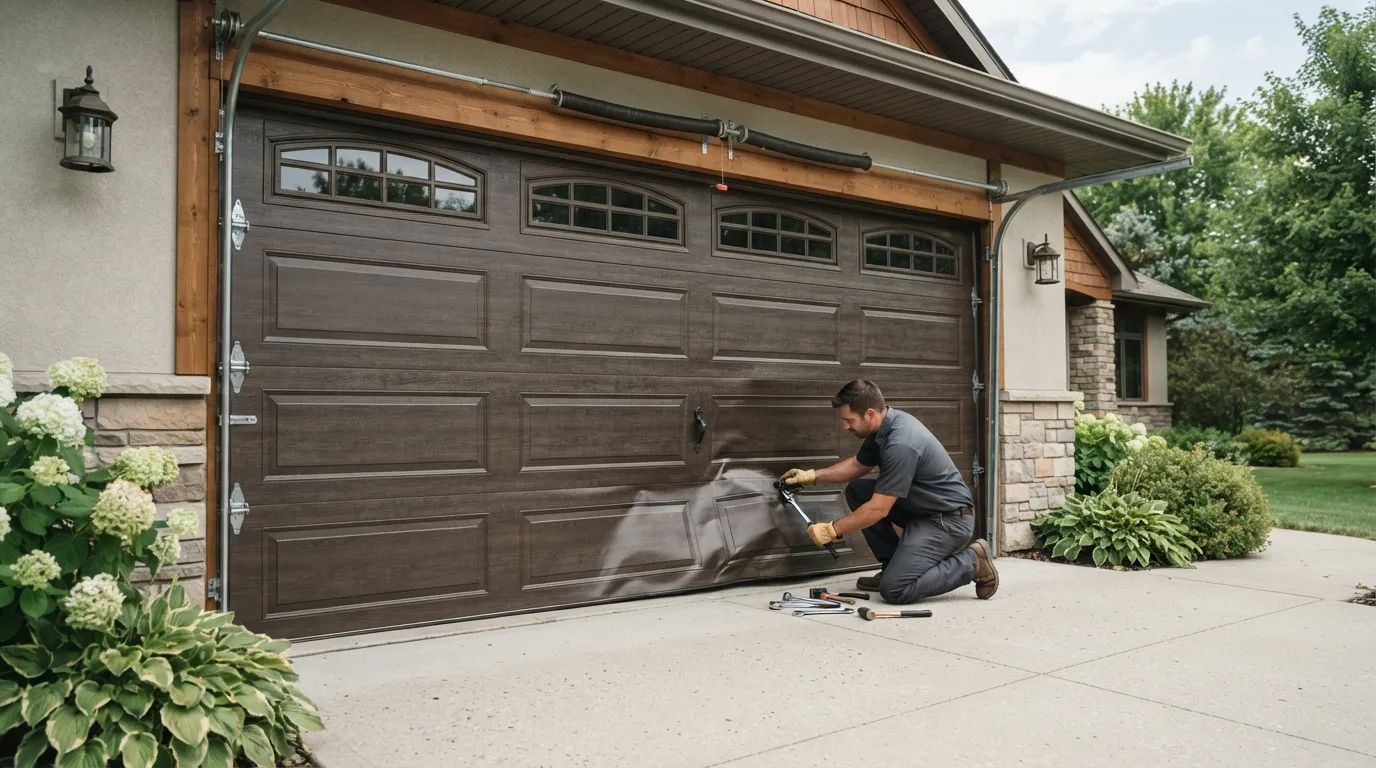
Older side-mounted torsion setups are part of the garage door mix across earlier Fremont tract housing.
Local garage door service · Fremont, CA
Garage door repair and installation for Fremont homes built mostly between 1955 and 2005, covering emergency service, maintenance, opener repair, panel replacement, roller replacement, and the residential systems common across the area's 1960s- and 70s-heavy housing stock.
Garage door services
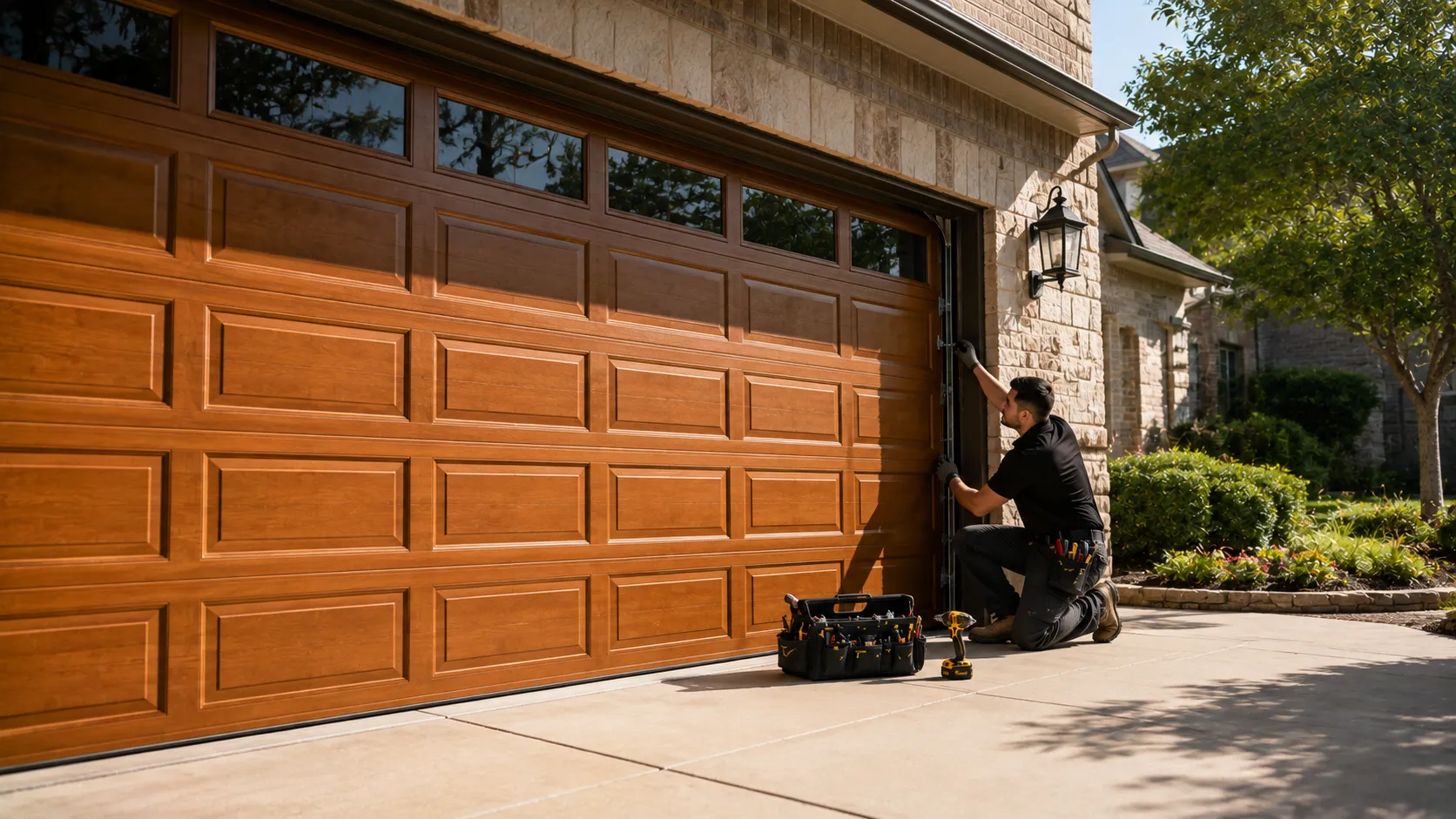
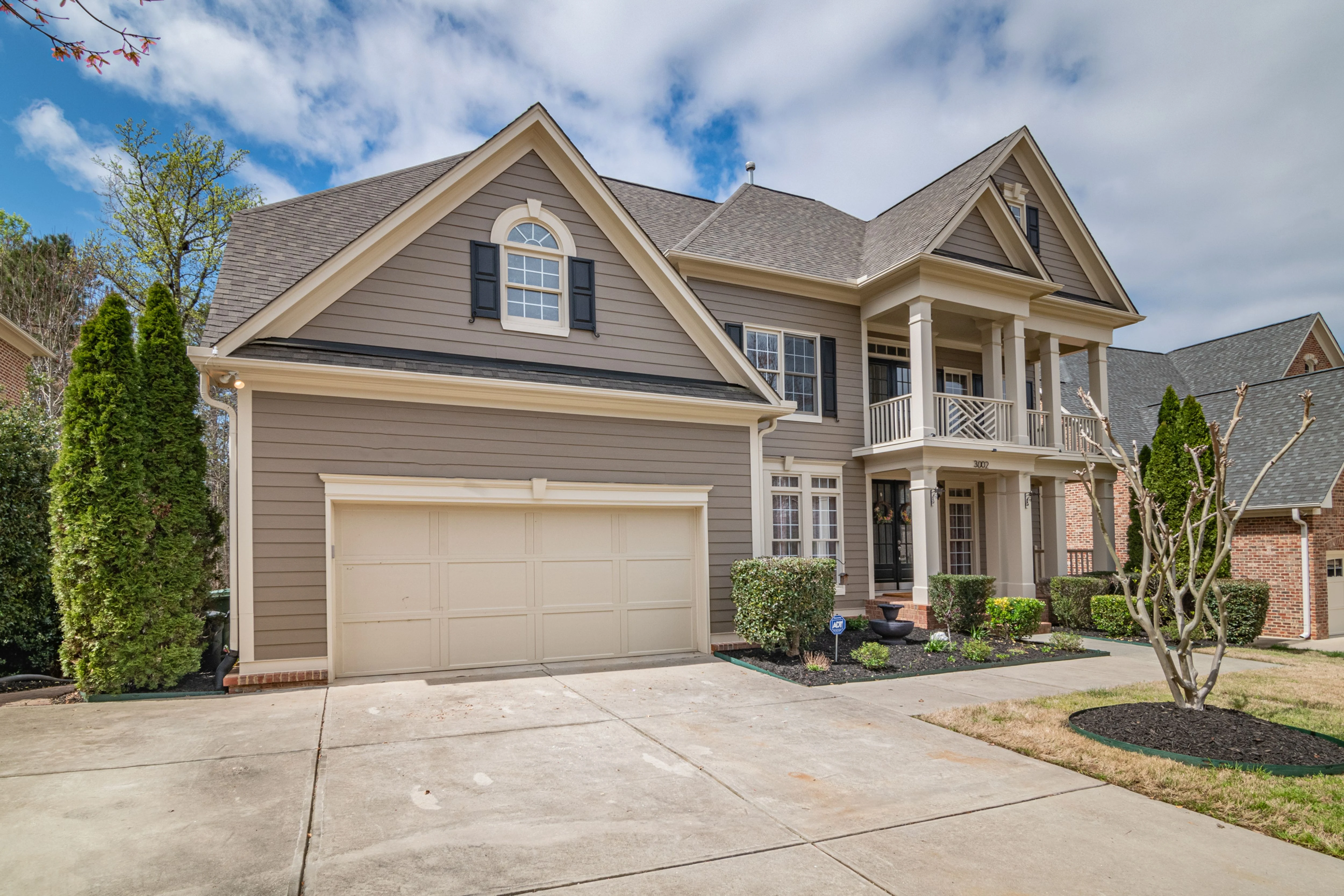
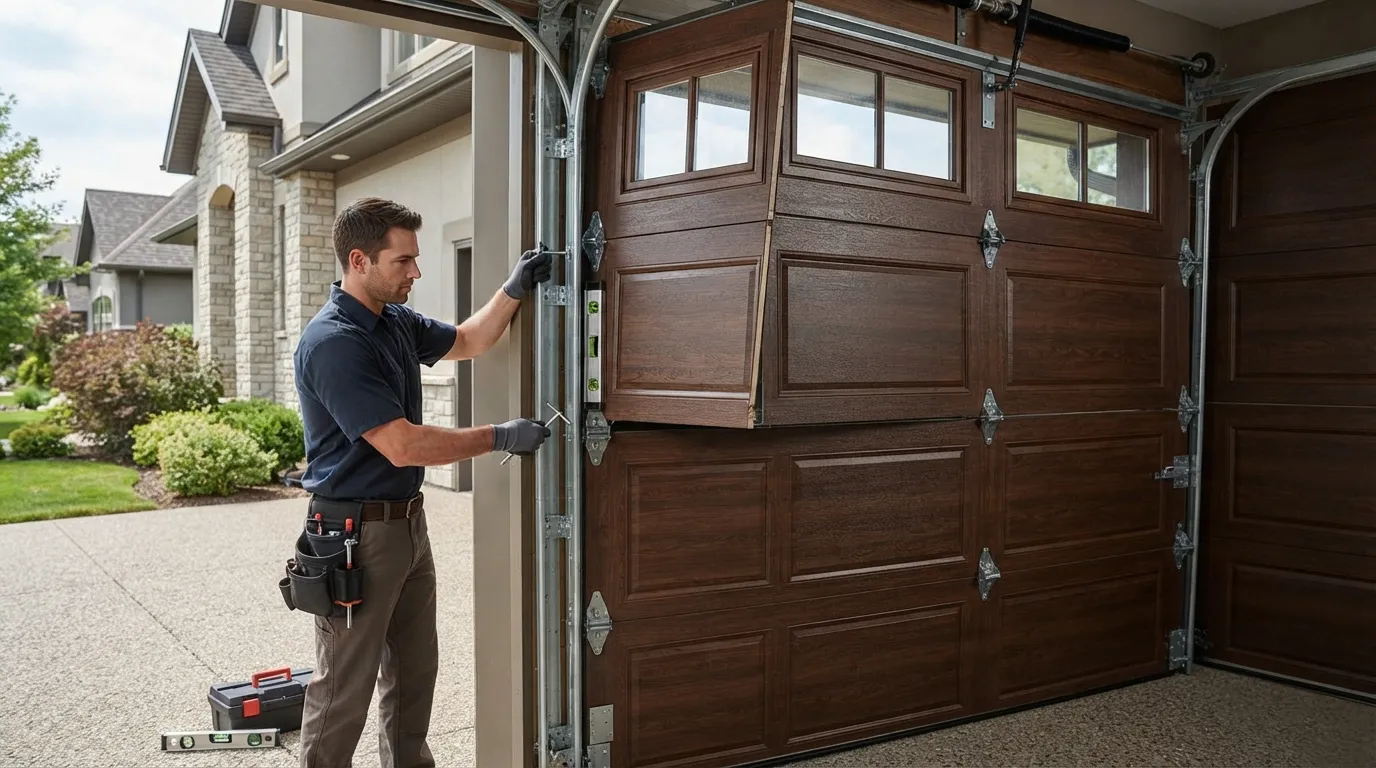
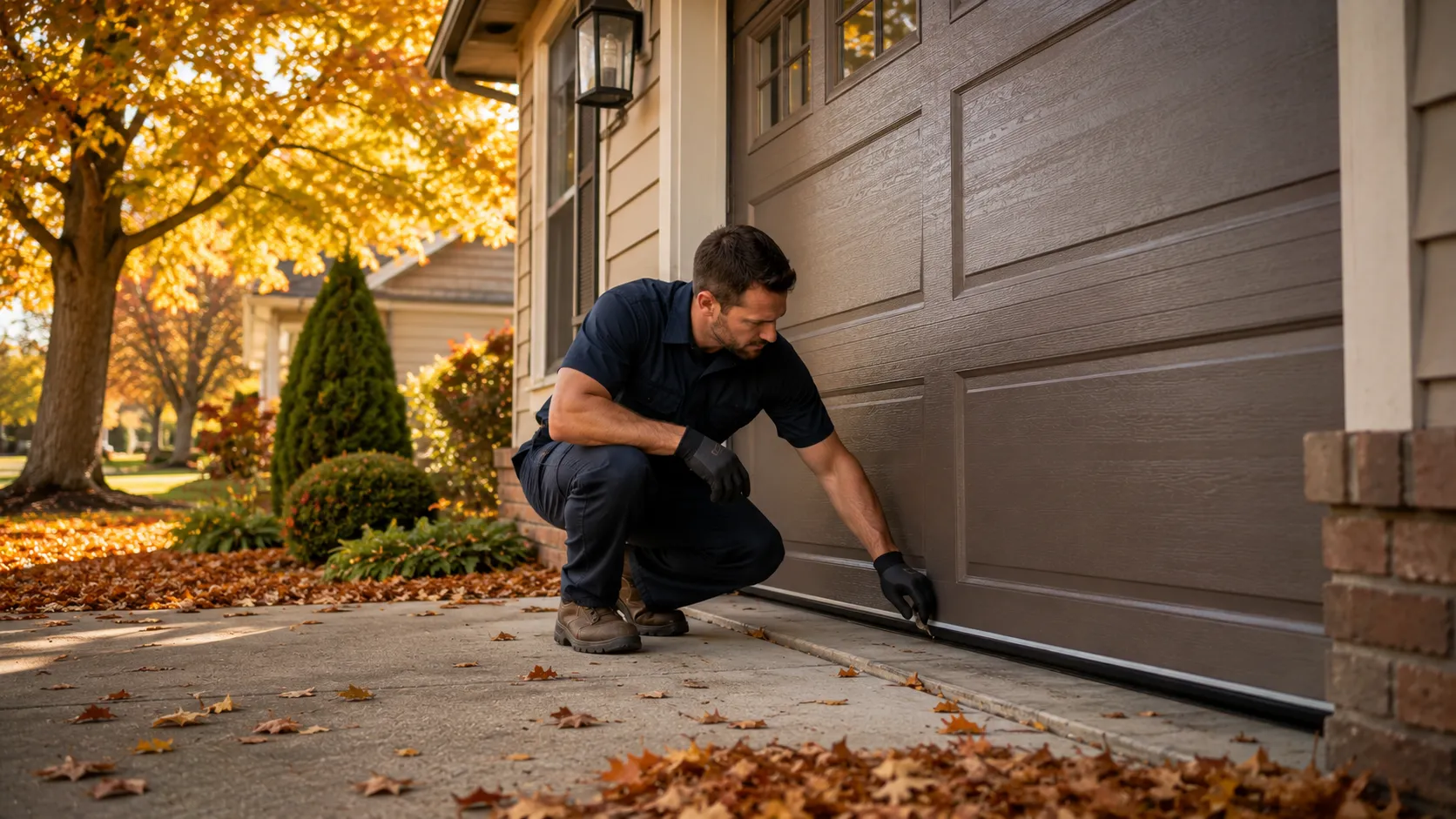
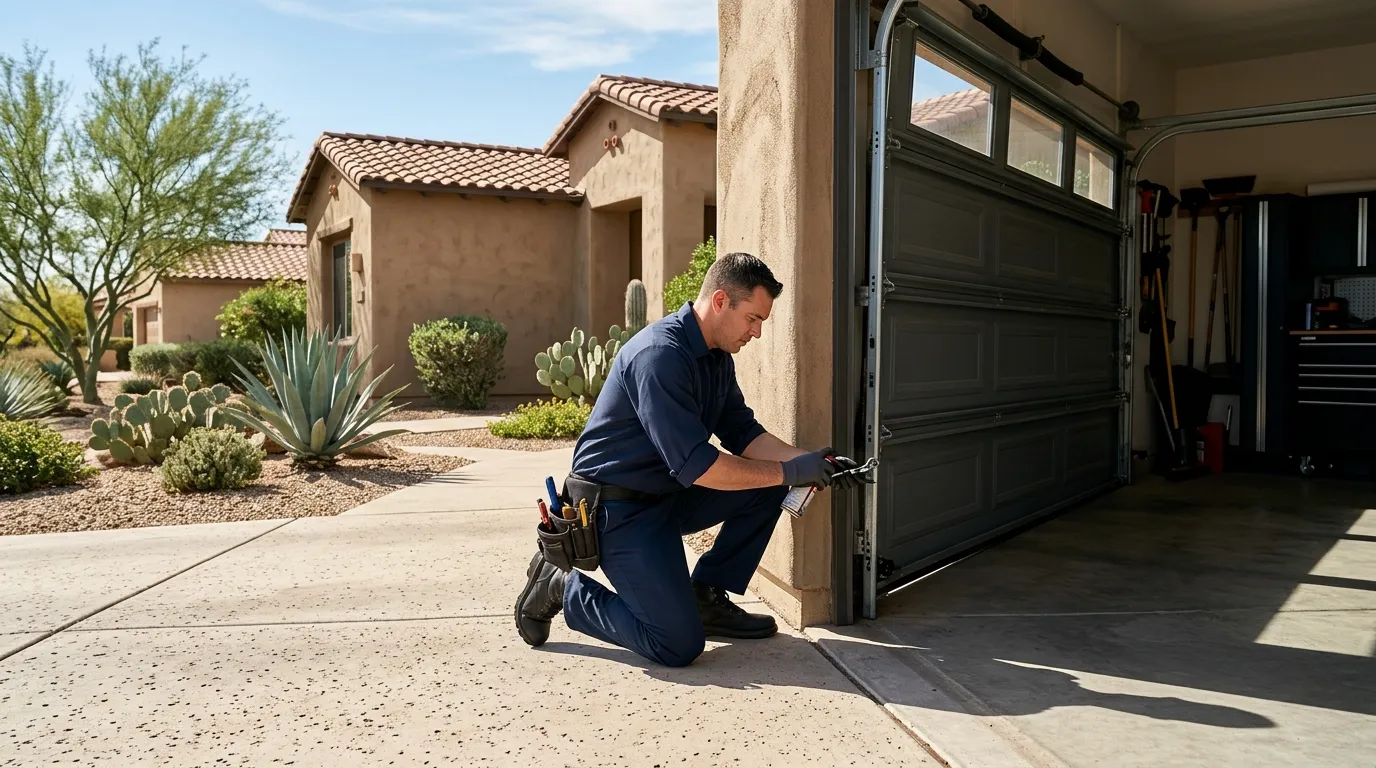
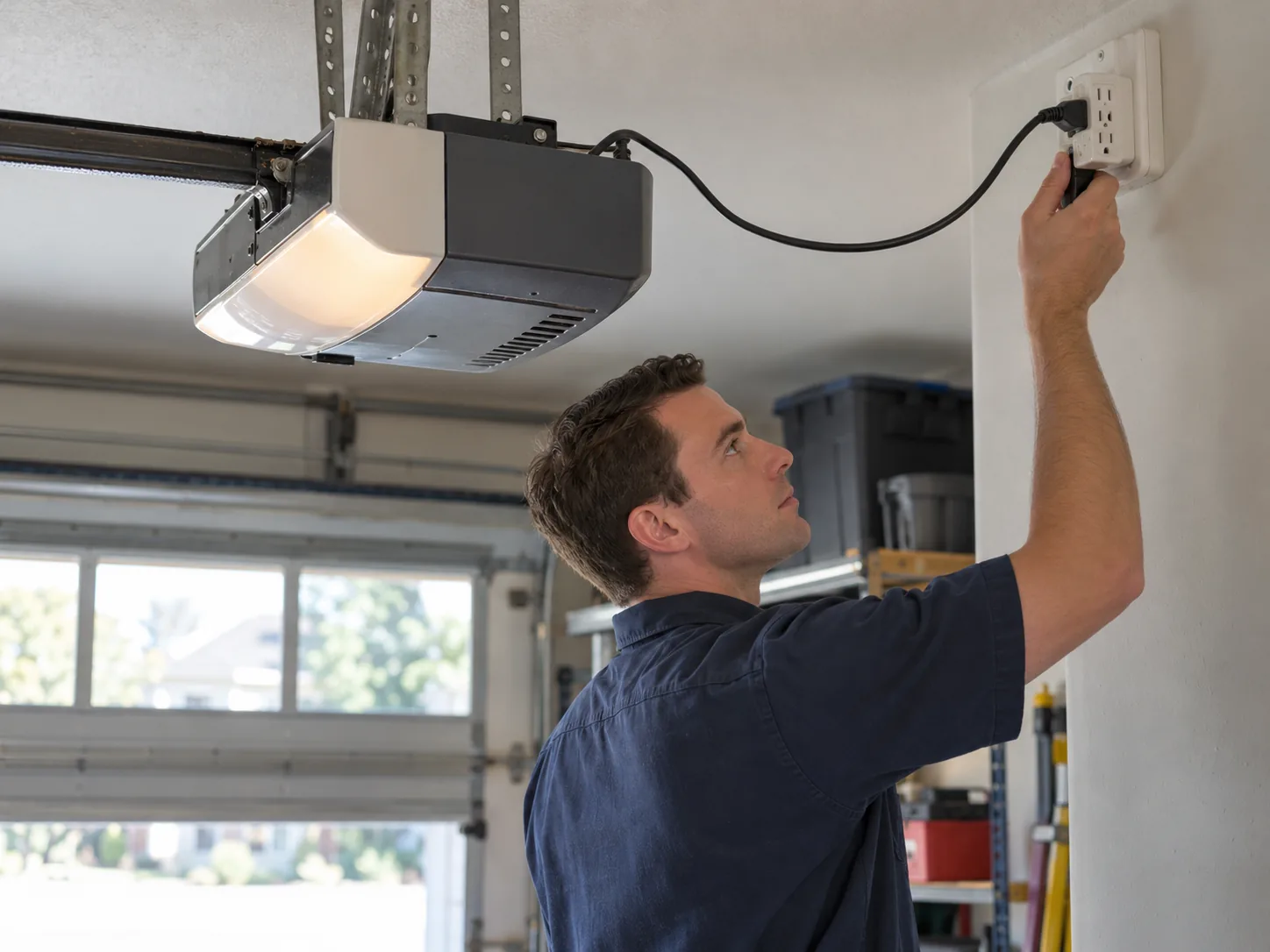
From emergency repair and installation to maintenance, opener repair, panel replacement, roller replacement, and general garage door service, the lineup is built around the mixed-generation systems common across Fremont's housing stock.
Local housing matters
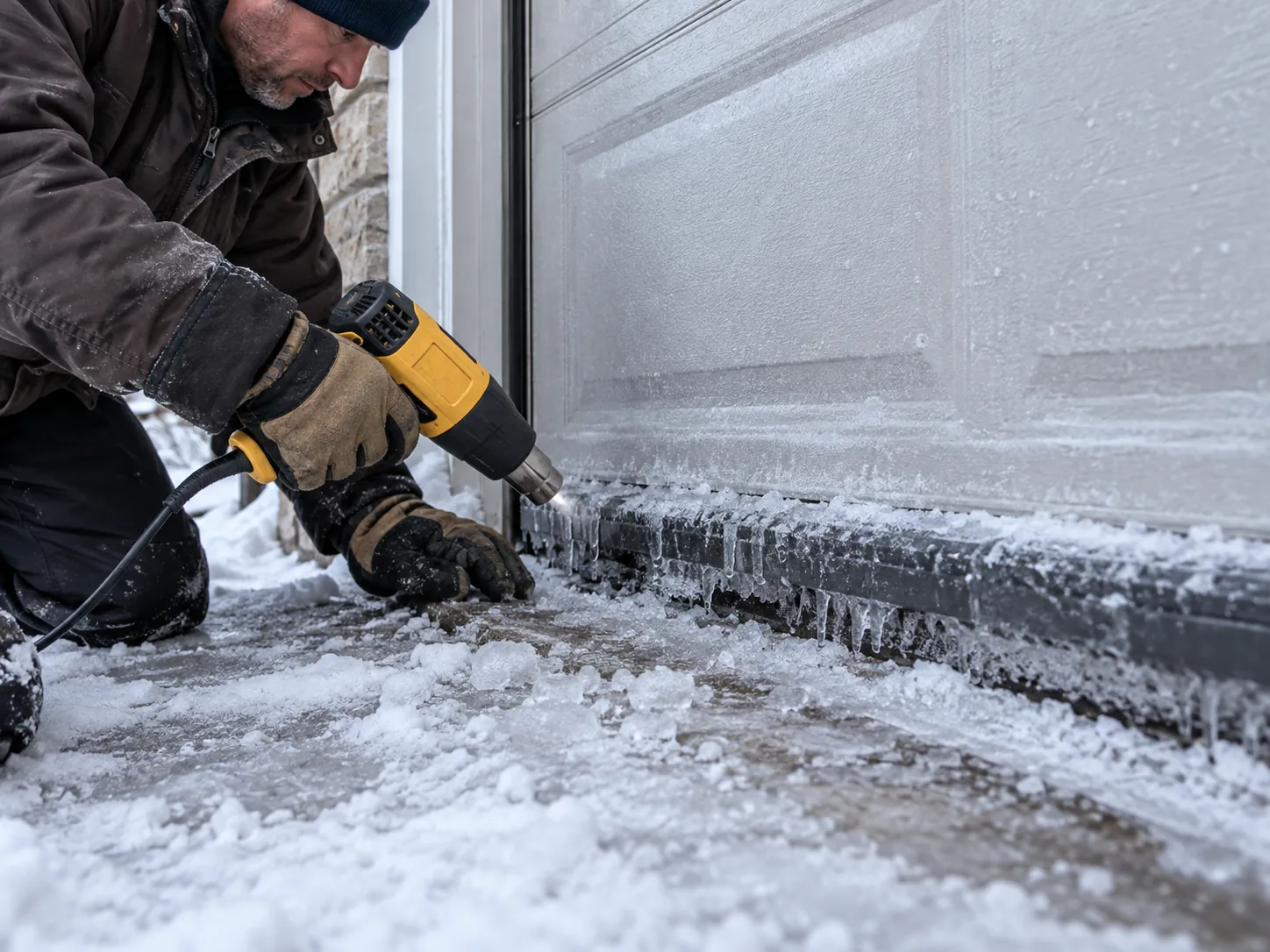
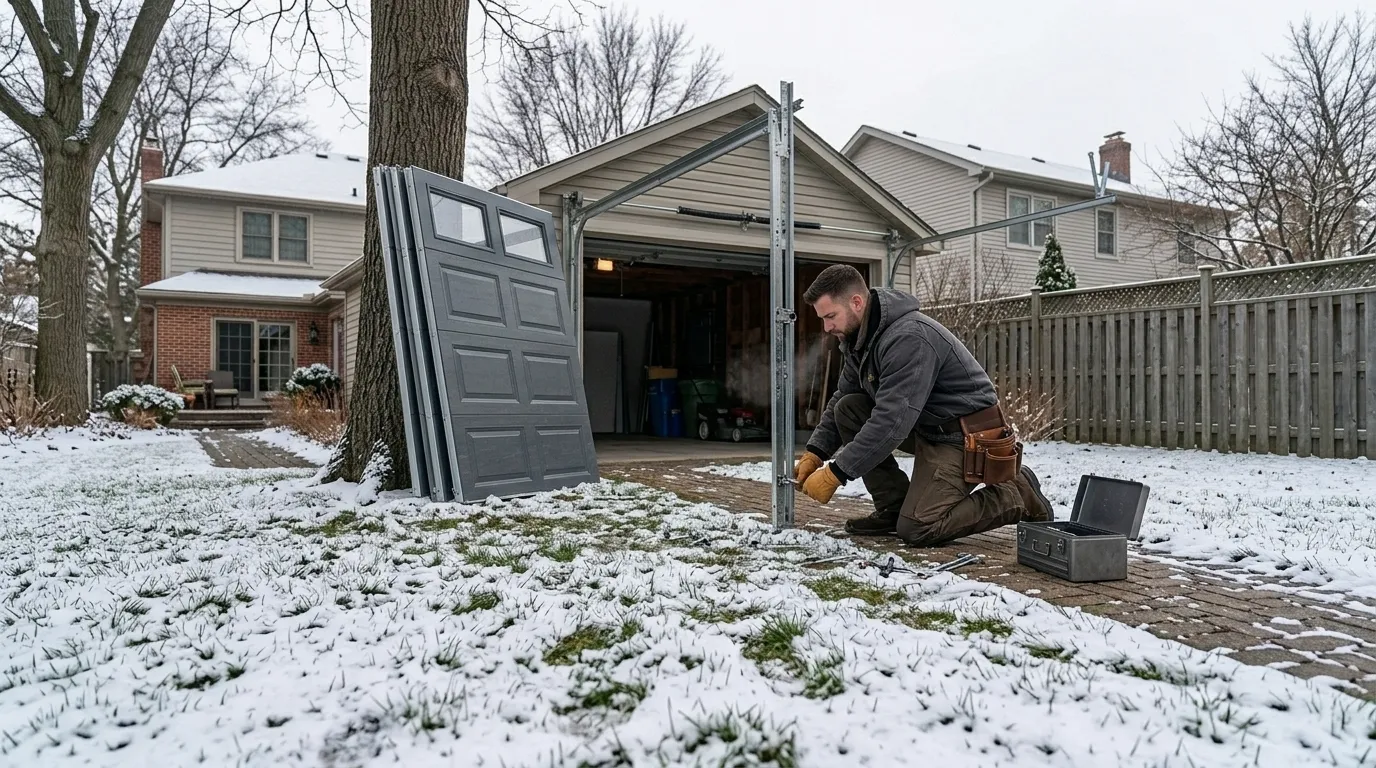
The broader source service area is dominated by homes built between 1955 and 2005, with a median build year around 1966 and much of the housing concentrated in the 1960s and 70s.
That creates a mix of older torsion systems, tracks, rollers, cables, replacement openers, newer insulated panels, and garage door hardware from several different generations.
The source references more than 331,000 households across the broader area, including roughly 129,000 owner-occupied houses.
Neighborhoods such as Warm Springs, Mission San Jose, Niles, Glenmoor, and Parkmont can have different build eras and door configurations even within the same city.
The build year gives useful context, but the correct repair depends on the hardware actually installed today.
1960s–70s garage door systems
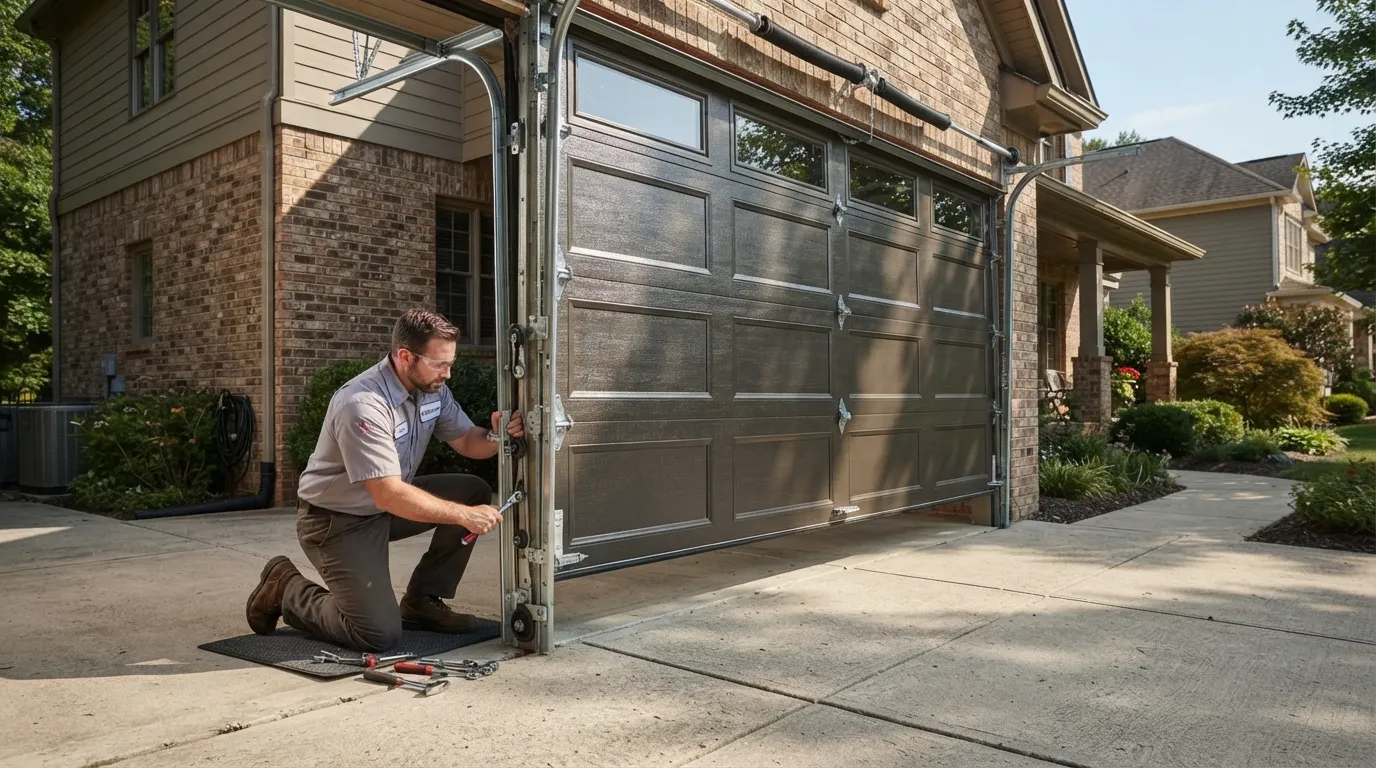
Homes concentrated around the 1960s and 70s can combine older tracks and spring systems with newer panels, replacement openers, and several generations of repair work.
Older side-mounted torsion setups are part of the garage door mix across earlier Fremont tract housing.
A garage may have a newer opener or panel while retaining much older tracks, springs, cables, rollers, or mounting hardware.
A newer insulated panel can change door weight and should be considered when evaluating older spring and balance hardware.
Homes toward the 1990s and 2000s end of the build range can use newer extension or torsion systems and more modern opener electronics.
Common Fremont garage door problems
Broken springs, worn rollers, aging openers, cable wear, track damage, and panel problems make up much of the work across Fremont's mixed-age housing stock. Broken torsion springs on double doors are a recurring need across older homes; rollers wear after years of travel while cables fray on systems that never received a complete hardware update; openers from the 1980s and 90s develop motor, gear, logic-board, or sensor problems; and tracks get bent by impact or hard to align when older hardware and newer panels have been combined over time — so the correct repair depends on whether the failure is isolated or part of a broader system where several aging components are wearing out together.
Garage door springs eventually reach the end of their useful cycle life after years of repeated opening and closing.
Older rollers can become noisy, rough, damaged, or resistant after years of regular track travel.
Older opener motors, logic boards, gears, sensors, controls, and drive systems can eventually develop operating problems.
Cables can fray, loosen, slip, or fail after years of carrying repeated lifting loads.
Impact, long-term wear, or mismatched components can leave tracks bent or panels damaged and affect how the door travels.
Local garage door wear
Fremont has a mild temperate climate, so most local failures trace to mechanical fatigue, age, repeated door cycles, impact, and hardware condition rather than severe freeze-related or storm-driven damage.
Repeated opening and closing remains the main source of long-term spring fatigue on local doors.
Rollers can gradually wear and begin moving roughly or binding in the track after years of regular use.
Cables can deteriorate through repeated movement and long-term loading, particularly on older garage door systems.
Logic boards, motors, sensors, gears, and controls can develop age-related problems independently of severe weather.
Clear repair guidance
There isn't one flat repair price, because spring work, opener repair, panel replacement, roller replacement, track damage, and installation involve different parts and labor.
Spring size and cycle condition, opener age, track damage, roller wear, panel condition, and parts availability can all change the scope.
The broader source service area includes more than 331,000 households and roughly 129,000 owner-occupied houses.
We inspect the actual system and explain the price before work begins rather than relying on a generic sight-unseen quote.
If older components are difficult to source or several major parts are deteriorating together, replacement can be compared with continued repair.
What to expect
We start with what the door is actually doing, use the symptoms to point toward the likely cause, diagnose the hardware before quoting, and run the door through a complete cycle after the repair rather than a single quick test.
Tell us whether the door won't open, stops partway, moves unevenly, or the opener runs without moving it. That symptom is the starting point.
The symptoms can help point toward springs, cables, rollers, tracks, opener electronics, sensors, or other operating problems before the on-site inspection.
We check spring tension, cable condition, track alignment, opener electronics, sensors, and overall operation before recommending work.
We run the door through a complete operating cycle after the repair rather than relying on a single quick test.
Some Older Parts May Need Sourcing
If an older opener or door uses components that are no longer standard truck stock, we give a realistic parts timeline instead of promising an immediate repair.
Keep the system moving
With much of the local housing now decades into regular use, periodic inspection can help identify spring fatigue, cable wear, roller problems, track movement, opener strain, and panel issues before a small problem becomes a complete failure.
Changes in door balance can indicate the spring system is no longer carrying the door as effectively as it should.
Fraying, rough travel, looseness, or visible roller wear can point to developing lifting and guidance problems.
Tracks, brackets, hinges, and mounting points can be checked for impact, movement, looseness, or long-term wear.
Changes in sound, travel, reversing, sensor response, or remote reliability can provide early signs of opener trouble.
Repair or replace?
A broken spring, roller, opener component, panel, or isolated track problem does not automatically mean the complete garage door needs replacement. Replacement becomes more practical when several major components are deteriorating together or essential parts are difficult to source.
A targeted repair can make sense when the panels, tracks, springs, cables, opener, and surrounding structure remain serviceable.
Replacement can make more sense when an older opener has obsolete electronics or repeated major failures.
Broader work may be more practical when springs, drums, shafts, or surrounding lifting hardware are all substantially worn.
When multiple major parts are deteriorating together, replacement can offer better long-term value than continued individual repairs.

Service areas
Questions
Because so much of the housing stock here dates to the 1960s and 70s, a lot of torsion springs installed decades ago are simply reaching the end of their cycle life around the same time. It's not a coincidence tied to one neighborhood - it's the age of the housing itself catching up at once.
Not much. The area sits in a mild temperate band, so we don't get the freeze-cracked cable or ice-jammed track calls that colder regions deal with. Almost everything we see here traces back to age and wear on hardware, not weather events.
Yes, within a reasonable driving radius that includes areas like Milpitas, Newark, Union City, and communities further out toward Mountain View and Los Gatos. Distance and drive time factor into scheduling, so ask when you call.
Sometimes, sometimes not. If the motor and logic board are original to a house built decades ago, parts can be hard to source and a repair may only buy a short stretch of time. We'll look at the specific unit and tell you honestly which way makes more sense before we quote anything.
Ready when you are
Tell us what the door is doing and we'll help you figure out whether you're dealing with an opener, panel, roller, track, emergency problem, maintenance issue, or an aging system that's reached the point where replacement makes more sense.