
Guide
When to Stop Repairing and Just Replace the Door
In Fremont, homes built between 1955 and 2005 often still run original garage doors. Here's how to know repair won't cut it and replacement makes more sense.
Local detail
When Waiting Is Fine
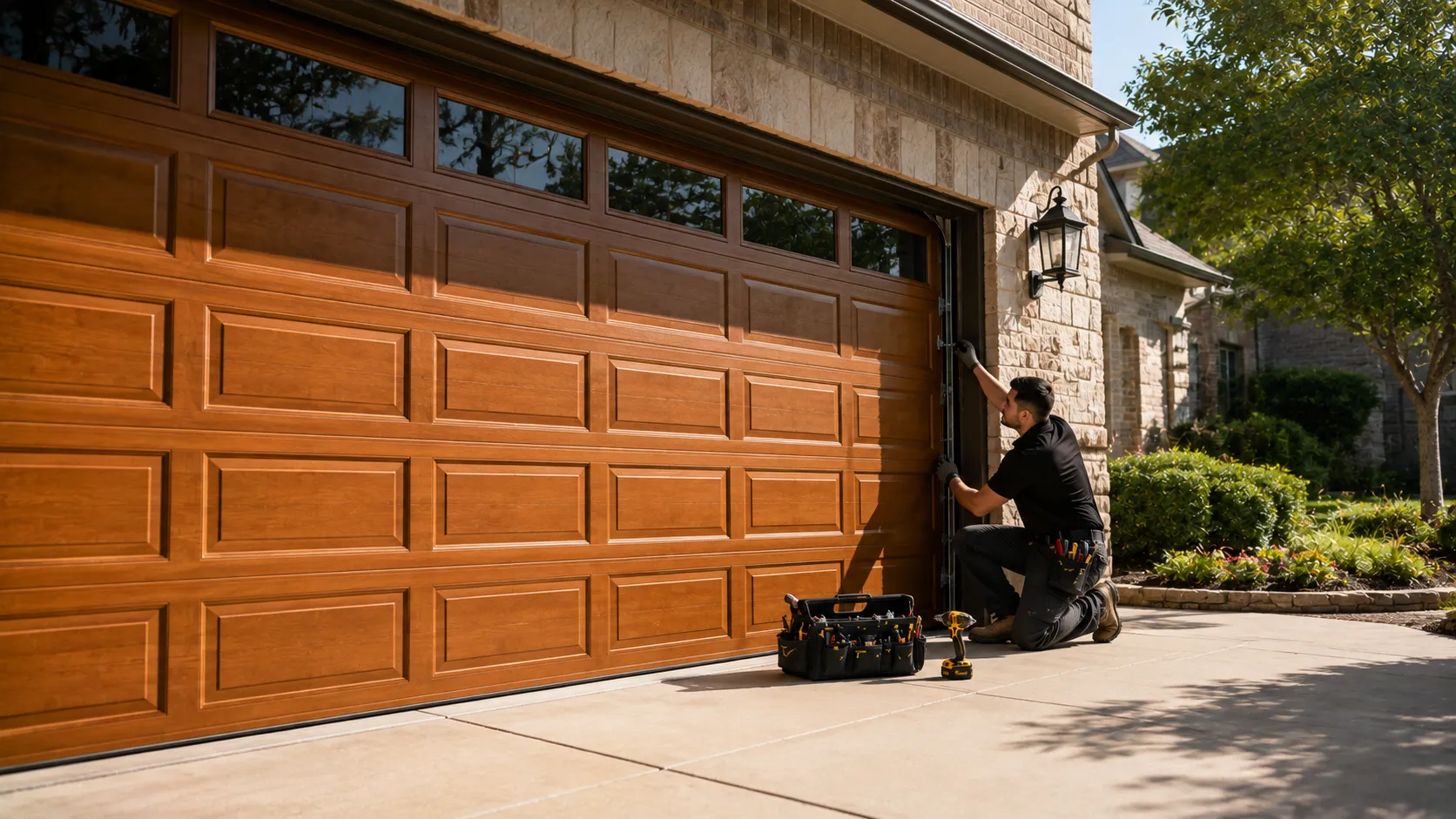
Not every dent or squeak means you need a new door. Fremont sits in a mild temperate band, which matters more than people think. Your door isn't cycling through hard freezes or long stretches of extreme heat, the kind of swings that warp panels, crack seals, and stress springs faster in harsher climates. A cosmetic dent on a steel panel, a track that's slightly out of alignment, a roller that squeaks in damp weather - none of that is an emergency here. If the door still opens smooth, closes flush, and the spring is doing its job, you can wait.
Cosmetic wear on a door that's mechanically sound is a paint-and-adjust job, not a purchase. Where waiting stops being fine is when the wear is structural: a bowed panel that's pulling the track out of true, a spring that's audibly straining, an opener that grinds instead of runs. Those are signs of a system giving out, not a surface that needs touching up. The honest answer is that a lot of Fremont doors get replaced years before they need to be, because a scuff looks worse than it is. Look at the mechanism before you look at the finish.
The area
What Is Going On
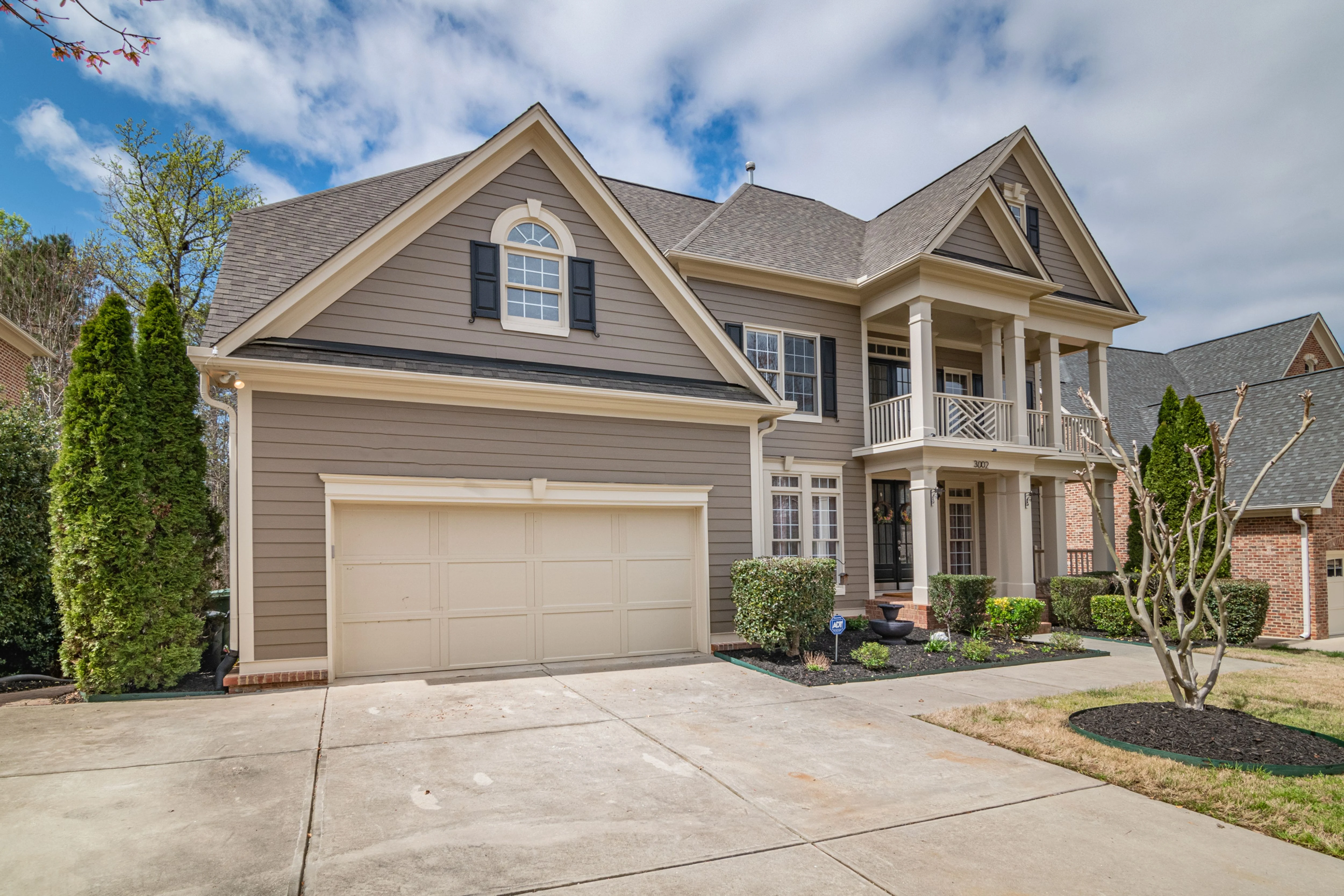
Most housing in this service area went up between 1955 and 2005, with the median build year around 1966 and the bulk of the stock dating to the 1960s and 70s across the roughly 31 named neighborhoods this business covers. That matters for garage doors specifically, because a door installed when a Fremont house was built is now pushing fifty to sixty years old if it's original, or it's a mid-life replacement from the 80s or 90s that's now aging out on its own schedule. Doors from that era were built for lighter, single-layer panels and simpler torsion or extension spring setups sized to match. As those original systems reach the end of their service life, the failure isn't usually the panel - it's the spring, the cable, or the drum, worn past the point where adjustment fixes anything.
What's going on, in most cases, is a house that's fifty-plus years old carrying a door system built to fifty-plus-year-old assumptions about weight, hardware, and clearance. That's not a flaw in the house. It's just the math of an aging housing stock, and it's the reason replacement conversations in this area tend to start with the spring and hardware, not the paint.
What we find
What to Check
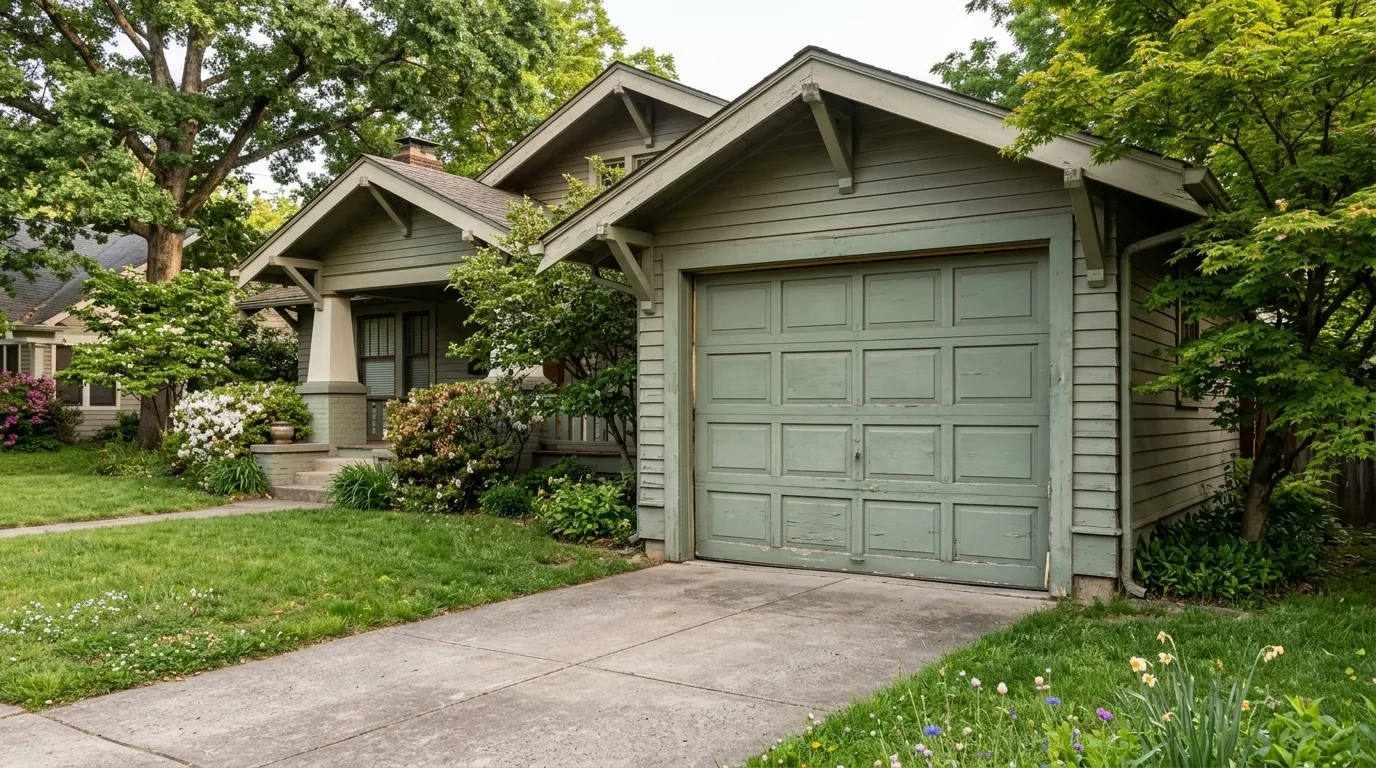
Start with the spring. If your house dates to the 1960s or 70s stock common across this area, the torsion or extension spring on your door was almost certainly sized for a panel weight and door width standard to that era - not always what's on the door today if it's been swapped once already. Check for rust on the coils, gaps between winds, or a door that feels heavier to lift by hand than it should.
Next, check the track: original steel track from a 60s or 70s build often shows pitting or slight bends from decades of use, and a bent track will make a new opener work harder than it should. Check the panels themselves for delamination or rust-through at the bottom, common on original steel doors that have taken decades of ground moisture. Check the opener's age against the door's age - if they don't match, someone replaced one without the other, which is worth knowing before you decide what to fix.
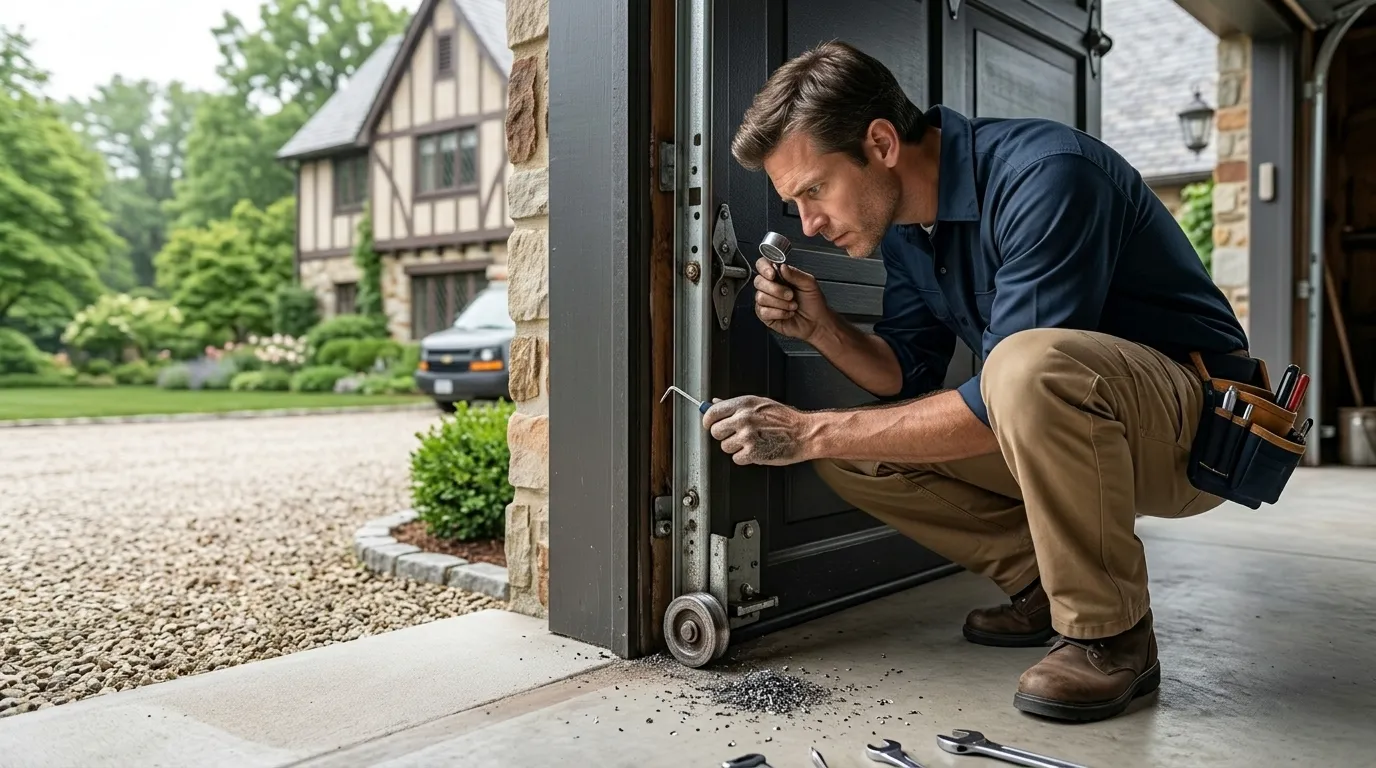
One limitation worth being upfront about: we can't give you a firm number on repair versus replace without seeing the door and opener in person. Age and symptoms point you in a direction, but the actual call needs eyes on the hardware.
How we work
How Local Conditions Play In
The mild climate here means garage doors in Fremont don't take the beating that harsh-winter or desert-heat doors take elsewhere - insulation and weatherstripping matter less for comfort and more for noise and the opener's workload. That's a real factor when you're pricing a replacement: you're not paying for climate-rated hardware you don't need. What does play in is the age of the housing stock itself. With most homes here built between 1955 and 2005 and median household income across the service area at $193,633, a lot of owners are choosing full replacement over a third or fourth repair on original hardware, simply because the parts for a 1966-era door aren't something anyone stocks new.
Across the roughly 331,204 households in this service area, about 129,215 are owner-occupied houses - the group actually facing this decision, as opposed to renters who aren't making the call. If you're in one of the older pockets where the original door and opener are both still in place, that's the strongest signal to start pricing replacement rather than another round of adjustment. If your house is newer within that 1955-2005 range, a repair is more often still the right first move.
Questions
Common questions
How do I know if my garage door is original to the house?
If your house falls in the common Fremont build range of the 1960s or 70s and the door hardware looks dated - steel panels with old-style hinges, a spring system without a safety cable, an opener with no battery backup - there's a decent chance it's original or close to it. We can confirm on a visit, but age-matching the door to the house's build era is usually the first clue.
Does Fremont's climate mean I need a special type of door?
Not really. The mild temperate conditions here mean you're not fighting the freeze-thaw damage or extreme heat swings that push other regions toward heavier insulation or specialized seals. Most standard residential doors hold up fine. Climate isn't the deciding factor in this area - the age of the existing hardware usually is.
Is it cheaper to repair a 1960s-era door than replace it?
Sometimes, if the issue is a single part like a cable or roller. But once you're replacing the spring and the track on a door that old, you're often close to the cost of a new door with better hardware and a longer runway before the next repair. We'd need to see the door to tell you which side of that line you're on.
What's the one thing you can't tell me without a visit?
A firm price or a repair-versus-replace call. Age and symptoms narrow it down, but spring tension, track condition, and opener compatibility all need to be checked in person before we'll commit to a number.
Ready when you are
Need a garage door sorted in Fremont?
Fremont Garage Door Pros repairs and installs garage doors, springs and openers in Fremont, CA and the surrounding area.