
Fremont, CA
Garage Door Repair Built Around Fremont's Older Housing Stock
Fremont Garage Door Pros fixes springs, openers, and tracks worn out by the city's 1960s-era housing stock. Same real hardware, no invented pricing or promises.
What we do
Garage door work in Fremont
New Garage Door Installation in Fremont, CA
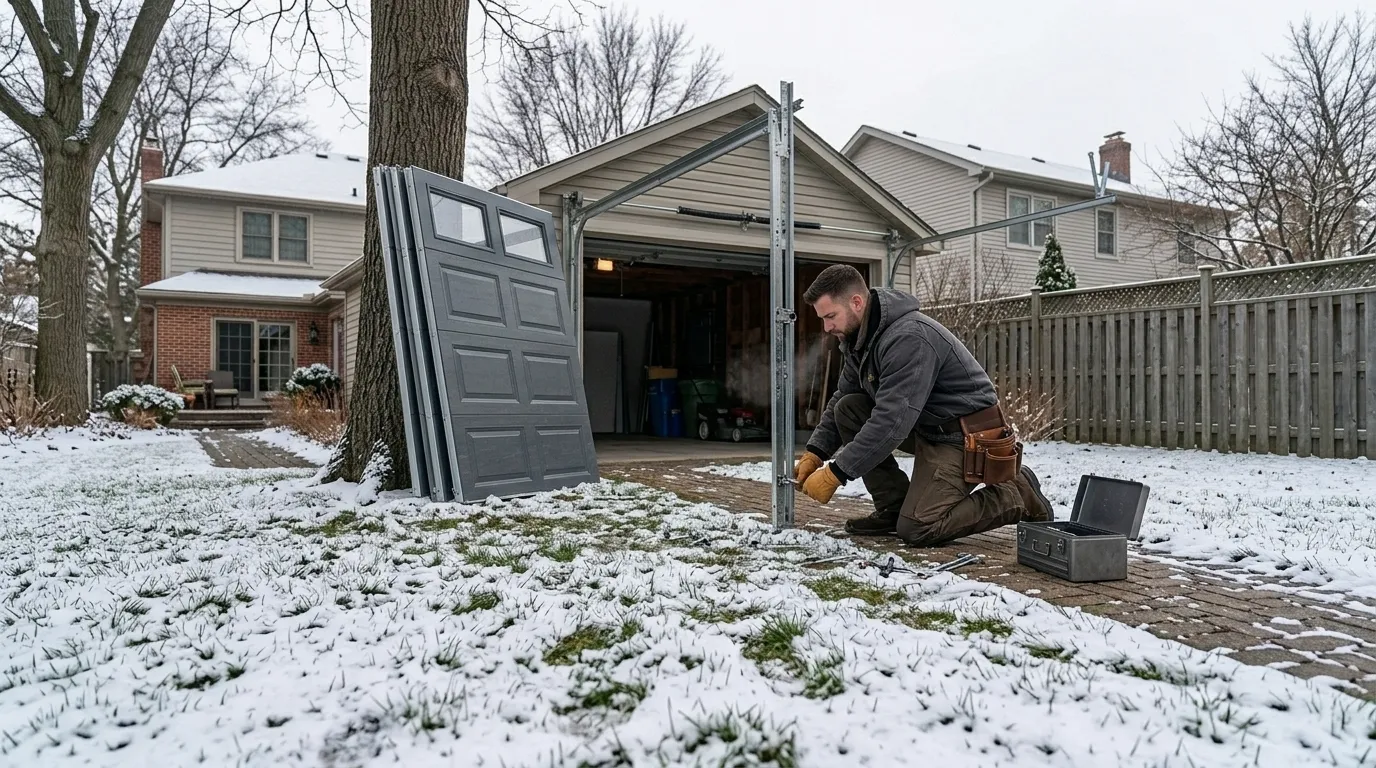
Fremont Garage Door Pros installs new garage doors on the 1960s and 70s tract homes across Fremont, matched to the original frame and header sizes on file. Learn more →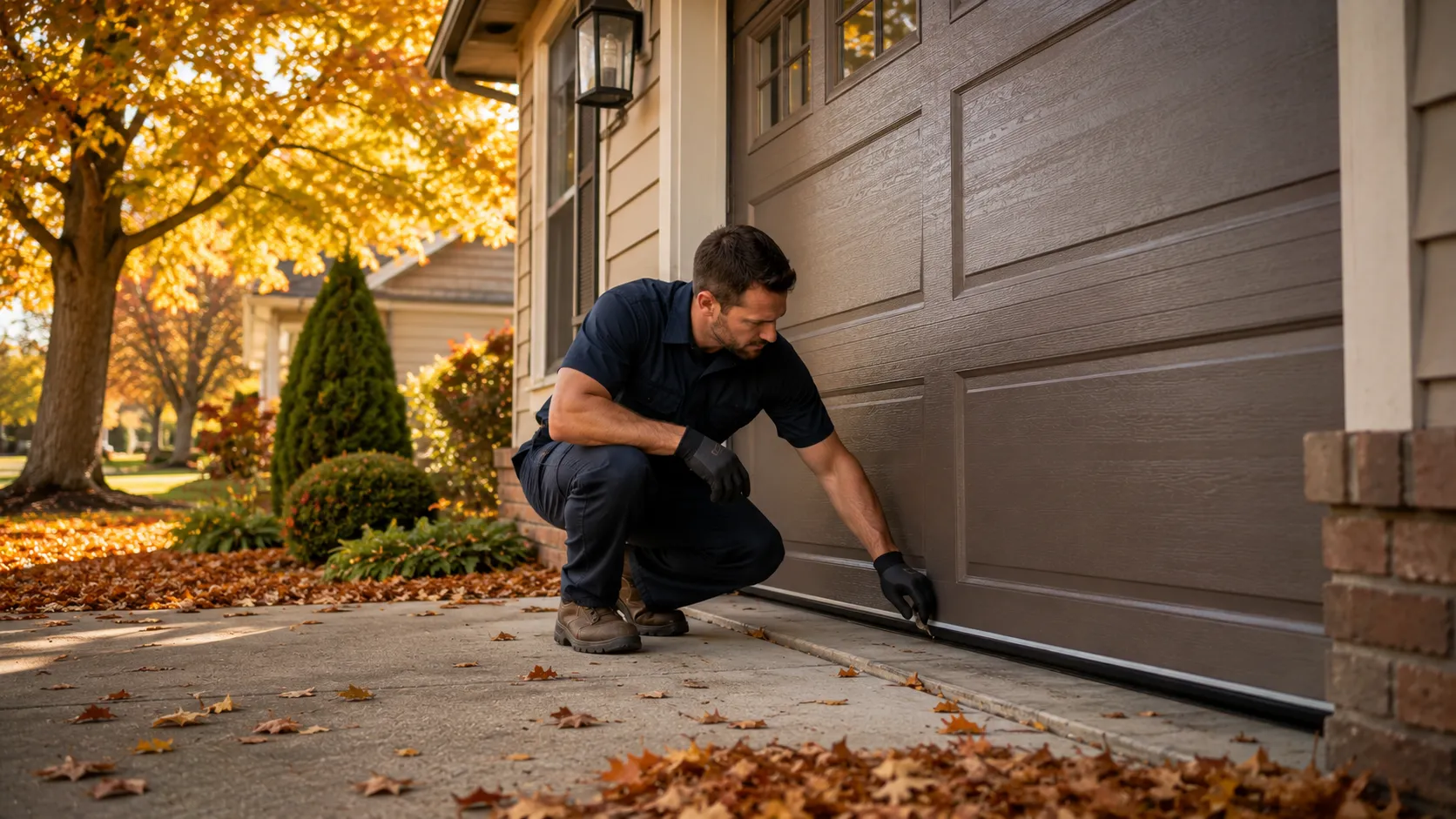
Garage Door Service for Fremont Homes
Garage door repair and tune-up service for Fremont homes built mostly between 1955 and 2005, from Niles to Warm Springs. Learn more →Local detail
Can You Do This Yourself
Some of it, yes. If a door is noisy but still opens and closes evenly, you can spray the rollers and hinges with a light lubricant and snug up loose bolts on the track brackets. That's real maintenance and it costs you nothing.
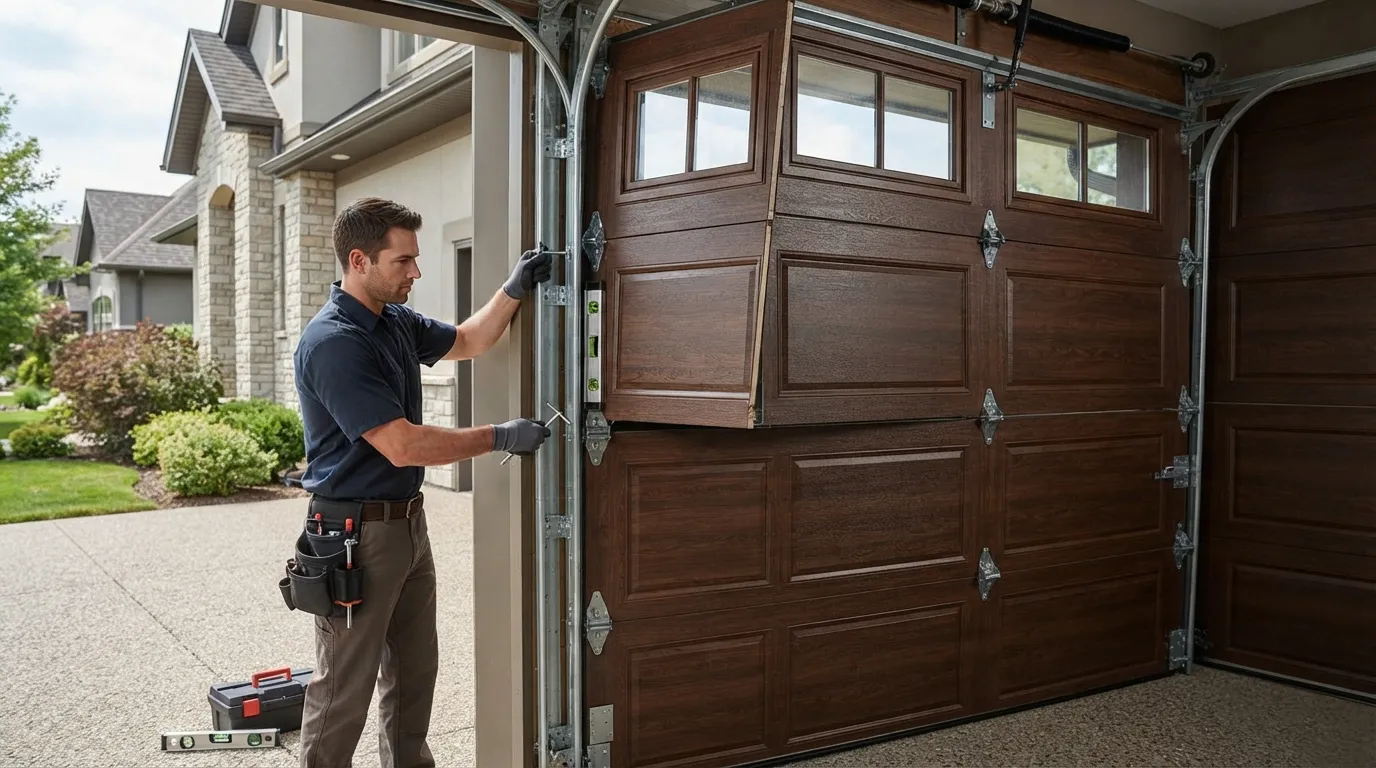
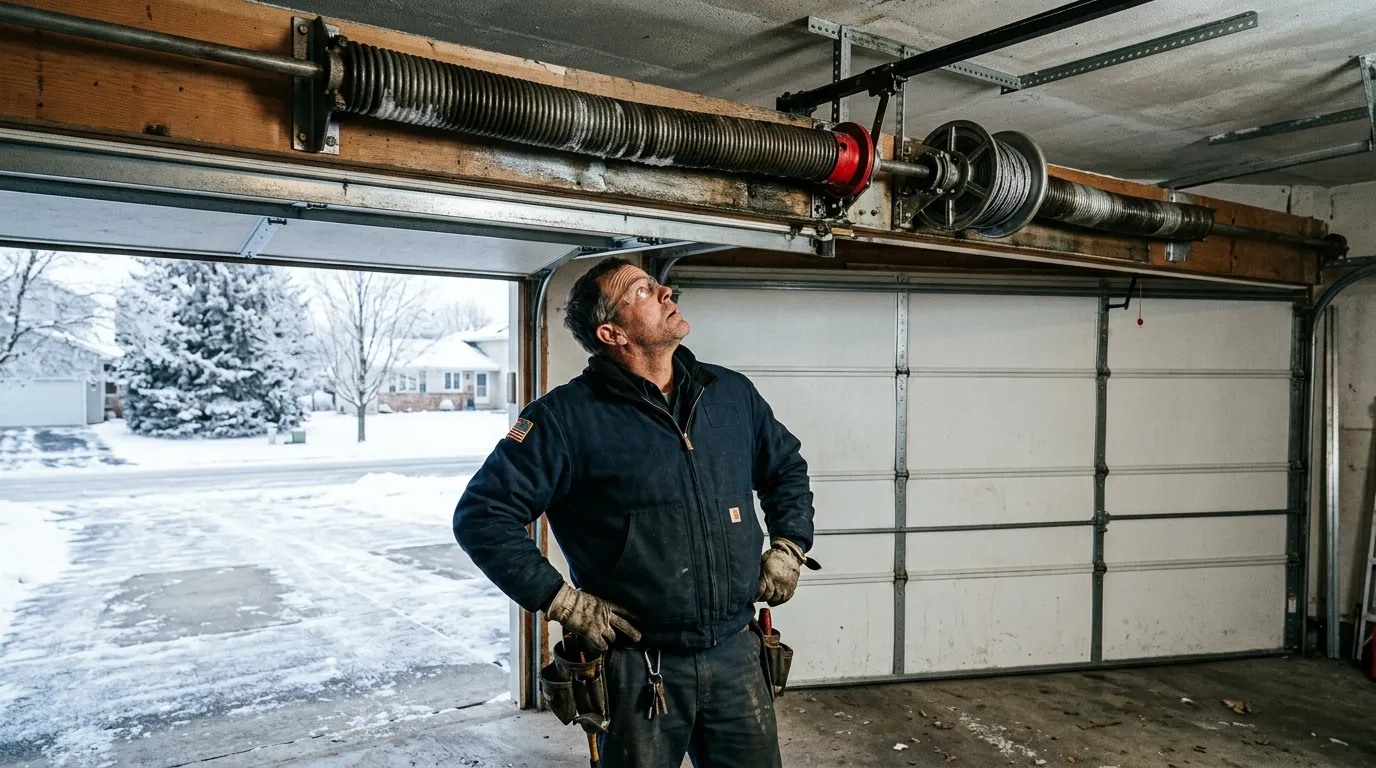
What you shouldn't touch is the torsion spring above the door or the cables running down each side. Those springs hold enough tension to break a bone or worse if the winding cone slips, and on the older torsion setups still common on houses built through the 1960s and 70s across Fremont's neighborhoods, the hardware is often original and more likely to let go under load than newer parts would. If the spring is broken, sagging, or the door feels heavy on one side, that's a call, not a weekend project.
Honest limitation: we don't walk homeowners through spring replacement over the phone. It isn't a liability dodge, it's that a wound torsion spring is one of the few things in a house that can genuinely put someone in the hospital, and we'd rather lose the job than have that happen.
The area
What You Pay
We don't publish a flat number here because a spring job on a single door is a different job from a full opener swap or a bent track repair, and quoting one over the phone before we've looked at the door usually means someone gets a lowball number that changes on arrival. That's not how we work.
What we can tell you is what drives the cost on most calls: whether it's a spring or a full system, what era the opener is (a lot of Fremont houses still run openers original to construction between 1955 and 2005), and whether the track or drum needs replacing along with the spring. Newer torsion systems with dual springs cost more in parts than the single-spring setups common on older single-car garages, but they also fail less often.
Median household income in the service area runs well above the national figure, and we price the job in front of you, not off a script, so you know what you're paying for before we start.
What we find
Why It Happens Here
Fremont's housing runs mostly 1955 to 2005, with a median build year of 1966, and that shows up directly in the garage doors we get called out to. A door and its hardware installed new in 1966 has had roughly six decades of cycles on the original torsion spring if nobody's replaced it, and steel springs have a rated cycle life that most of these are well past.
The mild temperate climate here actually works in homeowners' favor compared to places with hard freezes or heavy humidity swings - you don't get the rust-through-cable failures or ice-locked tracks that show up elsewhere. What you do get is straight fatigue: metal that's simply been wound and unwound tens of thousands of times without the stress of extreme weather forcing an earlier replacement. Owners here tend to keep a door running long past when someone in a harsher climate would have already swapped it, which means when it finally does fail, it's often the spring and the cable and a worn roller all going at once rather than one clean break.
How we work
How It Shows Up
The most common call is a door that won't budge and an opener that hums or clicks without moving anything - that's usually a broken torsion spring, and if you look up you'll often see a visible gap in the coil. Close behind is a door that starts up fine and then reverses partway, which points to a spring that's still intact but too weak to finish the lift, common on doors carrying original hardware from the 1960s and 70s building wave.
A third pattern is grinding or scraping from one side only, which usually traces back to a bent track or a roller that's worn through its bearing after years of the same daily cycle. Less often, but not rare on older single-car garages, the whole door sags visibly on one corner where a cable has slipped off the drum.
If your door is slamming down instead of lowering evenly, don't keep using it - that's a spring or cable already failing, not a door that needs oil.
Questions
Common questions
Why did my garage door spring break with no warning?
Torsion springs fail from cycle fatigue, not sudden damage. A spring rated for a set number of open-close cycles will eventually snap even with no misuse, and a lot of Fremont homes still have hardware original to construction in the 1960s and 70s, well past a spring's working life.
Is it worth repairing an old opener or should I replace it?
Depends on the failure. If the motor itself has burned out on an opener that old, replacement usually makes more sense than sourcing parts for a discontinued unit. If it's a sensor, chain, or wiring issue, repair is often the cheaper and faster fix.
Do I need a permit for garage door work in Fremont?
We don't have that detail to give you here - check with the city building department before any structural work, especially if you're replacing the door itself rather than just the spring or opener.
How fast can someone come look at a broken spring?
We don't have a stated response window to quote you, so call and we'll tell you the same day what our schedule looks like.
Ready when you are
Need a garage door sorted in Fremont?
Fremont Garage Door Pros repairs and installs garage doors, springs and openers in Fremont, CA and the surrounding area.