
Fremont, CA
Garage Door Service for Fremont Homes
Garage door repair and tune-up service for Fremont homes built mostly between 1955 and 2005, from Niles to Warm Springs. Straight talk on cost and cause.
What we do
Garage door work in Fremont
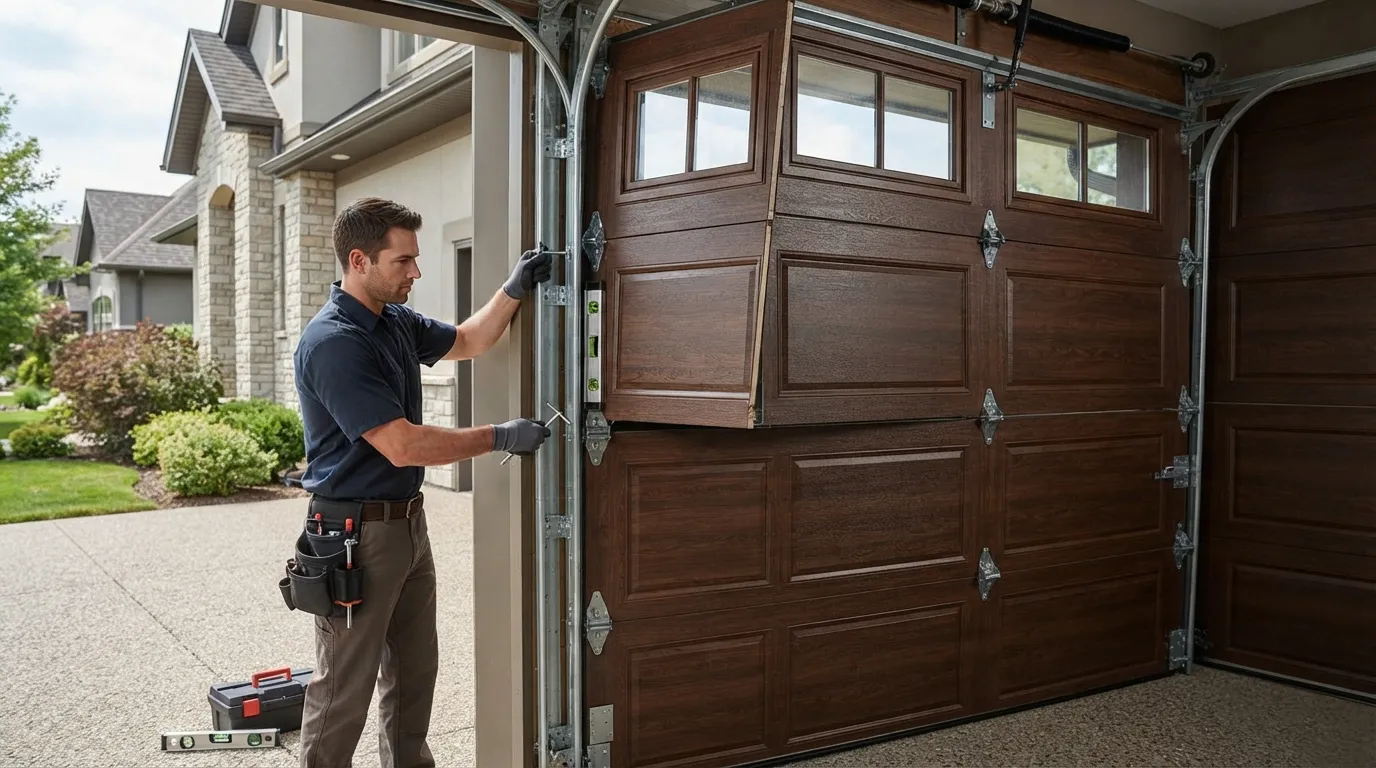
Garage Door Repair Built Around Fremont's Older Housing Stock
Fremont Garage Door Pros fixes springs, openers, and tracks worn out by the city's 1960s-era housing stock. Learn more →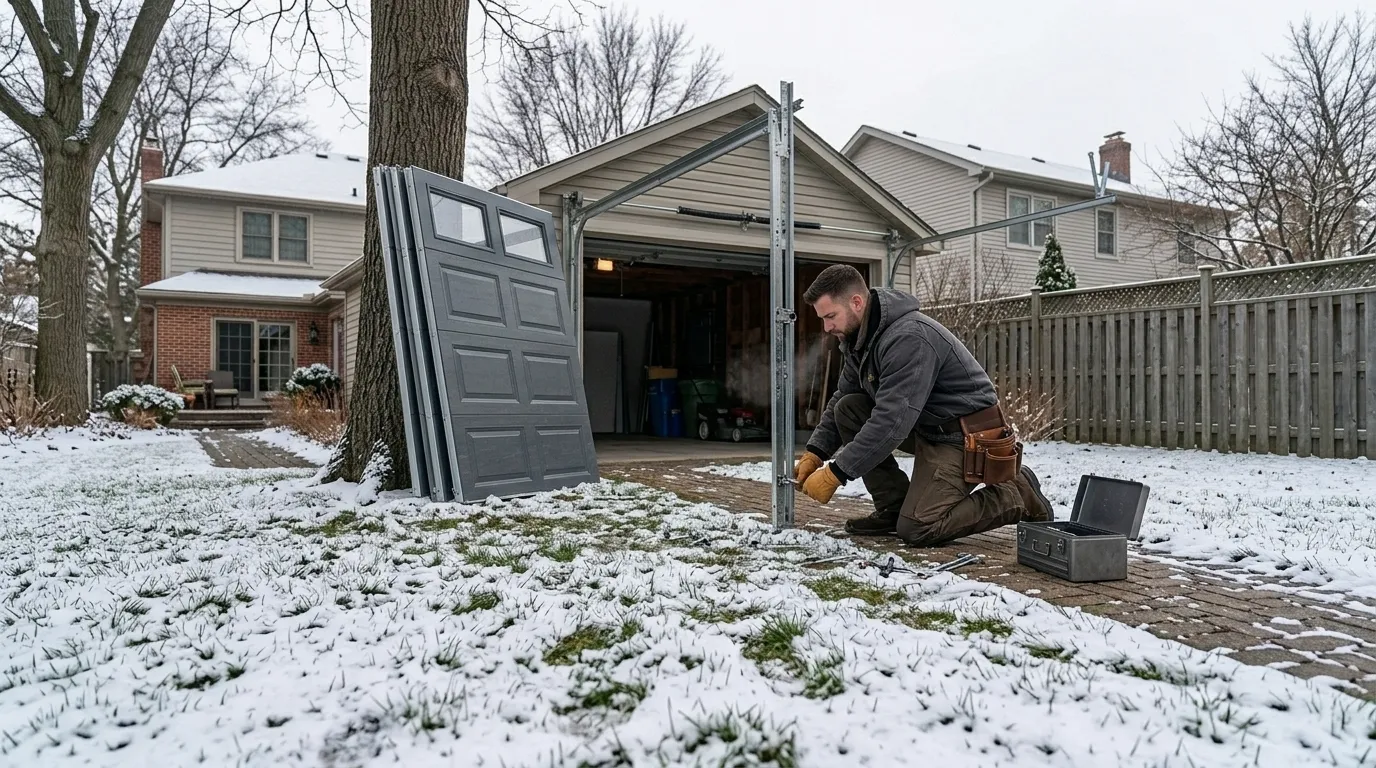
New Garage Door Installation in Fremont, CA
Fremont Garage Door Pros installs new garage doors on the 1960s and 70s tract homes across Fremont, matched to the original frame and header sizes on file. Learn more →Local detail
Can You Do This Yourself
Some of it, yes. Lubricating rollers and hinges, tightening loose bolts on the track brackets, checking that the photo-eye sensors near the floor are aligned and clean - that's homeowner work, and it takes twenty minutes. Where it stops being a DIY job is anything involving the torsion spring above the door or the cables that run alongside the tracks. Those parts are wound or pulled under load, and if a winding bar slips, it can break a hand or worse.
We don't say that to scare you into calling us for a light bulb - we say it because it's true, and any honest tech will tell you the same. If your door is more than a decade or two old and something feels off in the spring or cable, that's a call, not a project. If it's a squeaky roller or a track that needs a wipe-down, save your money and do it yourself.
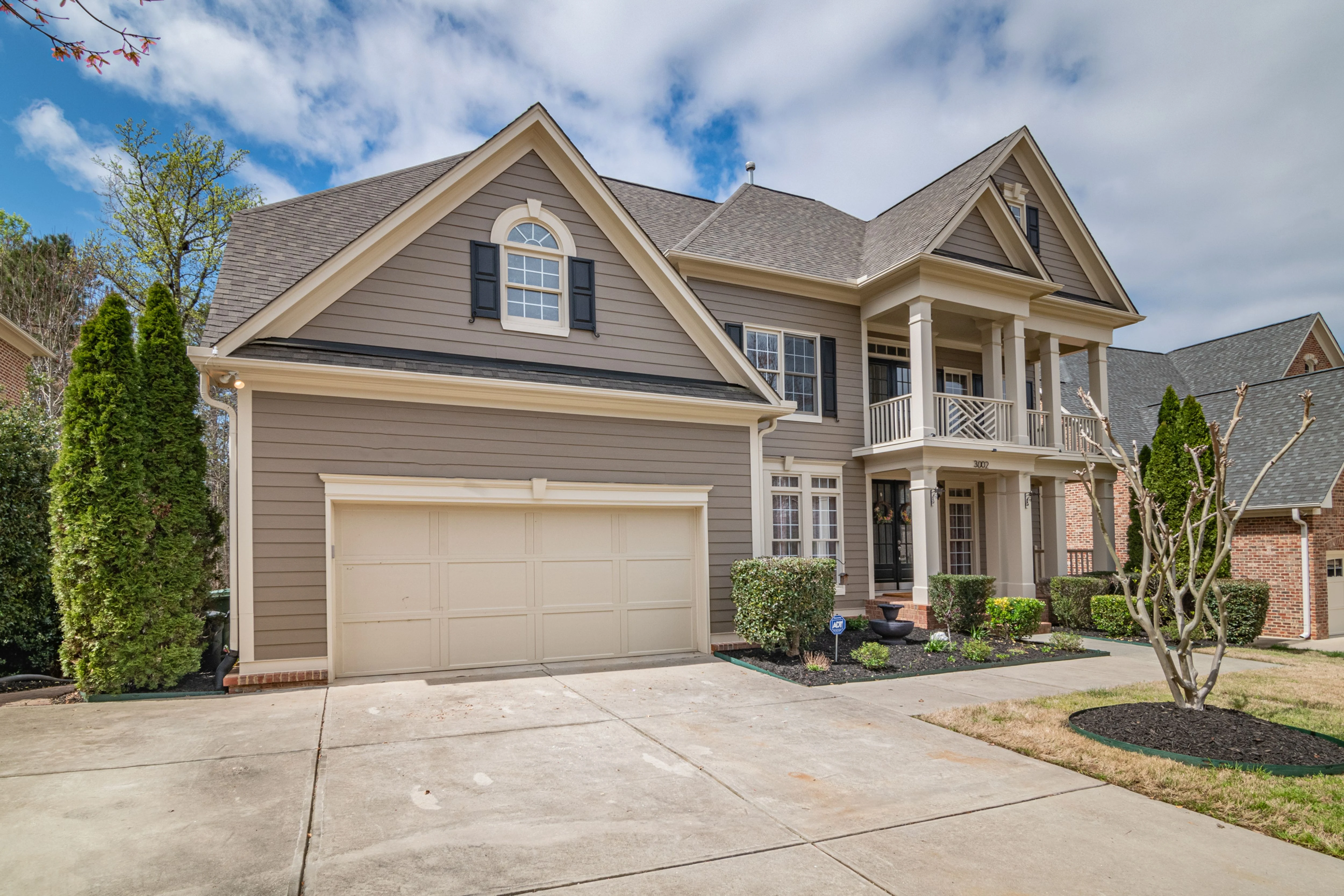
The area
What You Pay
We don't post a flat number here, because what a job costs depends on what's actually wrong, what the door weighs, and what hardware is already on it - a single steel door on 1970s hardware is a different job from a heavier insulated door with a newer opener bolted to it. What we can tell you is how we work: we look at the door in person or from clear photos before we quote, and we tell you the price before we start, not after.
Fremont's median household income runs well above the national figure, and we price the work the same regardless of which side of town the call comes from - Niles, Mission San Jose, Warm Springs, it's one rate sheet. If a repair is going to cost close to what a new door runs, we'll say so plainly instead of nickel-and-diming an old torsion spring back to life.
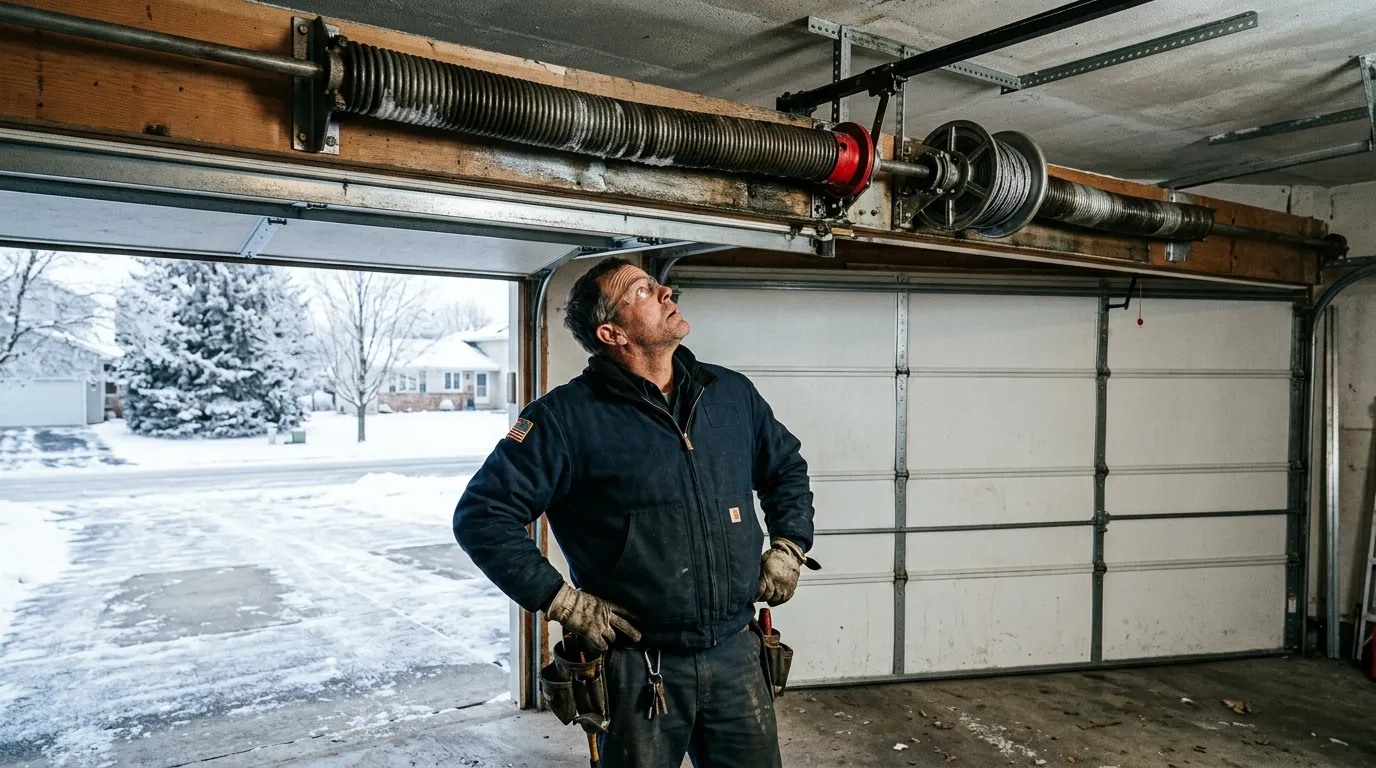
What we find
Why It Happens Here
Most of the housing across this service area went up between 1955 and 2005, with a lot of it clustering around the mid-1960s - Fremont's own growth spurt, plus the older pockets in places like Niles and Mission San Jose. That means a huge share of doors in town are still running on original or first-replacement torsion hardware sized for lighter, older door panels. When a homeowner swaps in a heavier insulated door decades later without upsizing the spring, the spring works harder than it was built for and fails sooner.
The mild temperate climate here doesn't add the freeze-thaw stress that cracks springs and seals elsewhere, so when we do find early failure, it's almost always mechanical fatigue or the wrong-weight spring - not weather damage. That's actually good news: it means most Fremont failures are predictable wear, not storm damage, and predictable wear is fixable on a schedule instead of an emergency.
How we work
How It Shows Up
On the older stock - the houses closer to that 1966 median build year - the first sign is usually a door that starts slow, jerks partway up, then finishes with a thud. That's a spring losing tension, not an opener problem, even though the opener usually gets blamed first. In the newer end of the range, built through the 1990s and 2000s, we see more cable fraying and roller wear before spring failure, since those doors tend to have lighter gauge cable from the factory.
Across roughly 129,000 owner-occupied houses in this area, the pattern holds pretty consistently by era: older torsion springs going soft, mid-era cables fraying at the drum, and newer nylon rollers cracking in their brackets. None of it is climate-driven here - no hard freezes, no major humidity swings - so if a part fails early, it's almost always age or an undersized replacement part installed at some point along the way.
Questions
Common questions
Is a slow, jerky door always a broken spring?
Not always, but in Fremont's older housing stock - a lot of it dating to the mid-1960s - it's the most common cause by far. A door that lifts slowly and finishes with a jolt is almost always a spring that's lost tension, not a motor problem. We check the spring first before touching the opener.
Do I need a heavier spring if I upgrade to an insulated door?
Usually, yes. A lot of the springs still in service here were sized for the lighter panel doors common when these houses were built between 1955 and 2005. Swap in a heavier insulated door without upsizing the spring and you'll shorten its life considerably.
Does Fremont's weather cause garage door problems?
Not much. The mild temperate climate here means we rarely see the freeze-related cracking or humidity swelling that causes trouble elsewhere. Most failures we find are ordinary mechanical wear tied to age, not weather.
How do you price a repair before seeing the door?
We don't quote blind. We look at the door in person or from clear photos, since cost depends on the door's weight and the hardware already installed, and give you a firm price before starting the work.
Ready when you are
Need a garage door sorted in Fremont?
Fremont Garage Door Pros repairs and installs garage doors, springs and openers in Fremont, CA and the surrounding area.