
Guide
The Doors Fremont Built Before Anyone Cared About Insulation
Fremont homes built between 1955 and 2005 often have garage doors with no insulation. Here's what that means for the door on your house and when to fix it.
Local detail
When Waiting Is Fine
If your garage door still opens smooth, still seals against the slab, and the panel isn't rusted through, an uninsulated door is not an emergency. Fremont sits in a mild temperate band, and that matters more than people think. A single layer of steel doesn't do much to hold heat or cold, but when the swings outside are moderate to begin with, the garage doesn't turn into an oven or an icebox the way it would somewhere with real winters or triple-digit summers.
A lot of the original doors from the 1960s and 70s building wave are still doing their job structurally - they open, they close, the springs hold tension, the track isn't bent. If that's your door, there's no reason to replace it just because it lacks a foam core. Insulation buys you a quieter garage and a smaller temperature gap between the garage and the house next to it.
It doesn't fix a door that already works fine. Spend the money when the door itself starts failing - cracked panel, spring that won't hold, opener straining - not on insulation alone.
The area
What Is Going On
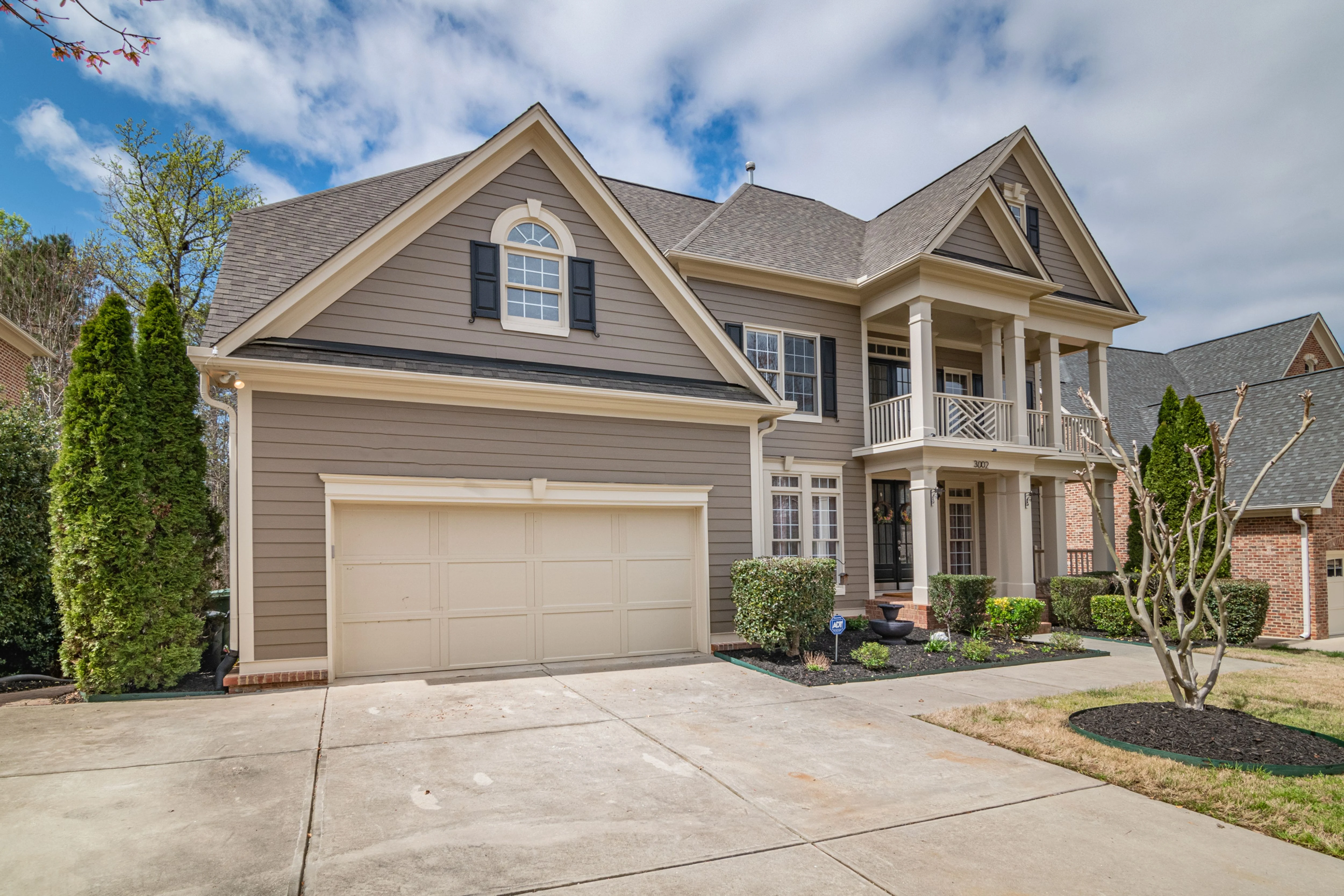
Fremont's housing stock mostly went up between 1955 and 2005, with the median build year landing around 1966. That was well before any code required a garage door to act as a thermal barrier - insulation rules for doors came later and mostly targeted new construction, not the tract housing already standing. The bulk of what's here reflects 1960s and 70s construction, and that shows up across the older pockets - Niles, Mission San Jose, Warm Springs, Glenmoor, Parkmont, Mission Valley, Kimber-Gomes, Cameron Hills, and the Central District all have streets full of houses from that same window. The garage door that came with those houses is a single skin of steel or a wood panel door, no foam, no thermal break, nothing between the outside air and the inside of the garage.
Builders back then weren't wrong to skip it - it wasn't required, and it wasn't expected. It's just what a door from that era is. When a homeowner asks why their door feels thin or lets in cold air along the bottom, this is usually the answer: the door is doing exactly what it was built to do, fifty-plus years ago.
What we find
What to Check
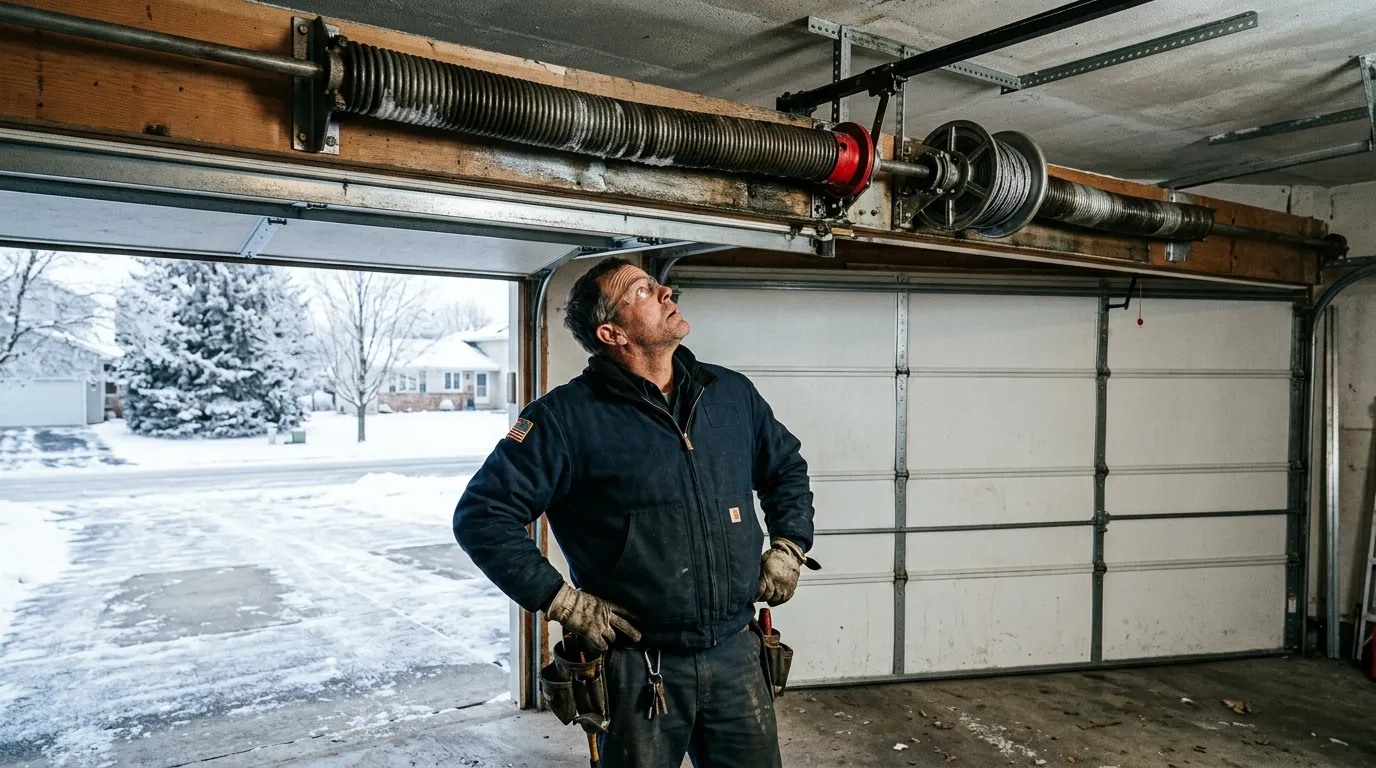
Start by looking at the door's edge where it's cut or the panel seam - if you see a single layer of steel with nothing behind it, that's your original door with no insulation, common on houses in this build era. Check for a sticker or stamp on the inside face; insulated doors usually carry an R-value marking, and if there's nothing there, it's not insulated. Look at the bottom weatherstripping - on an old door this is often flat, cracked, or missing entirely, which lets in more draft than the door's construction alone. Check whether the garage shares a wall with a bedroom or living space; that's where a lack of insulation is felt the most, since the shared wall passes garage temperature straight through.
Also check the top and side seals, since gaps there matter more on a door with no insulating layer to slow air movement. None of this tells you the door needs replacing. It tells you what you're working with, so you're not guessing at why one room runs warmer or colder than the rest of the house.
How we work
How Local Conditions Play In
Because Fremont doesn't swing to hard freezes, an uninsulated door here is a comfort and noise issue more than a pipe-freezing one - you're not staring down burst plumbing in an unheated garage the way you would somewhere with real winters. The mild temperate climate means the practical cost of skipping insulation is smaller here than in most of the country, which is part of why so many original doors from the 1960s and 70s tract-building years are still in service. That said, mild doesn't mean flat - garages attached to houses in the flatter, sun-exposed stretches can still run noticeably warmer in summer than a garage tucked against shade, and that heat moves into an adjoining room through an uninsulated door faster than most people expect.
If a room next to the garage runs uncomfortable in the afternoon, the door is worth a look before you blame the HVAC. We won't tell you to swap a working door for an insulated one on climate grounds alone - here, it's rarely worth it unless the door needs replacing anyway.
Questions
Common questions
Does my garage door need insulation to meet code in Fremont?
No. Insulation requirements target new construction, not doors already installed on houses built between 1955 and 2005. If your door is original from that era, it's not out of code - it simply predates rules that came later and apply mainly to new builds.
Will an insulated door lower my energy bill in Fremont's climate?
Some, but less than you'd see in a place with real winters or extreme summer heat. Fremont's mild temperate climate limits how much a thermal barrier saves you. It helps more with noise and with evening out temperature next to an attached garage than with a dramatic bill drop.
How do I know if my door has insulation or not without opening it up?
Check the inside face for an R-value sticker or stamp - insulated doors usually have one. If the panel edge shows a single layer of steel with nothing behind it, and there's no sticker, it's uninsulated. This is common on original doors from the 1960s and 70s building years across town.
Ready when you are
Need a garage door sorted in Fremont?
Fremont Garage Door Pros repairs and installs garage doors, springs and openers in Fremont, CA and the surrounding area.