
Belmont, Fremont CA
Garage Door Repair in Belmont, CA
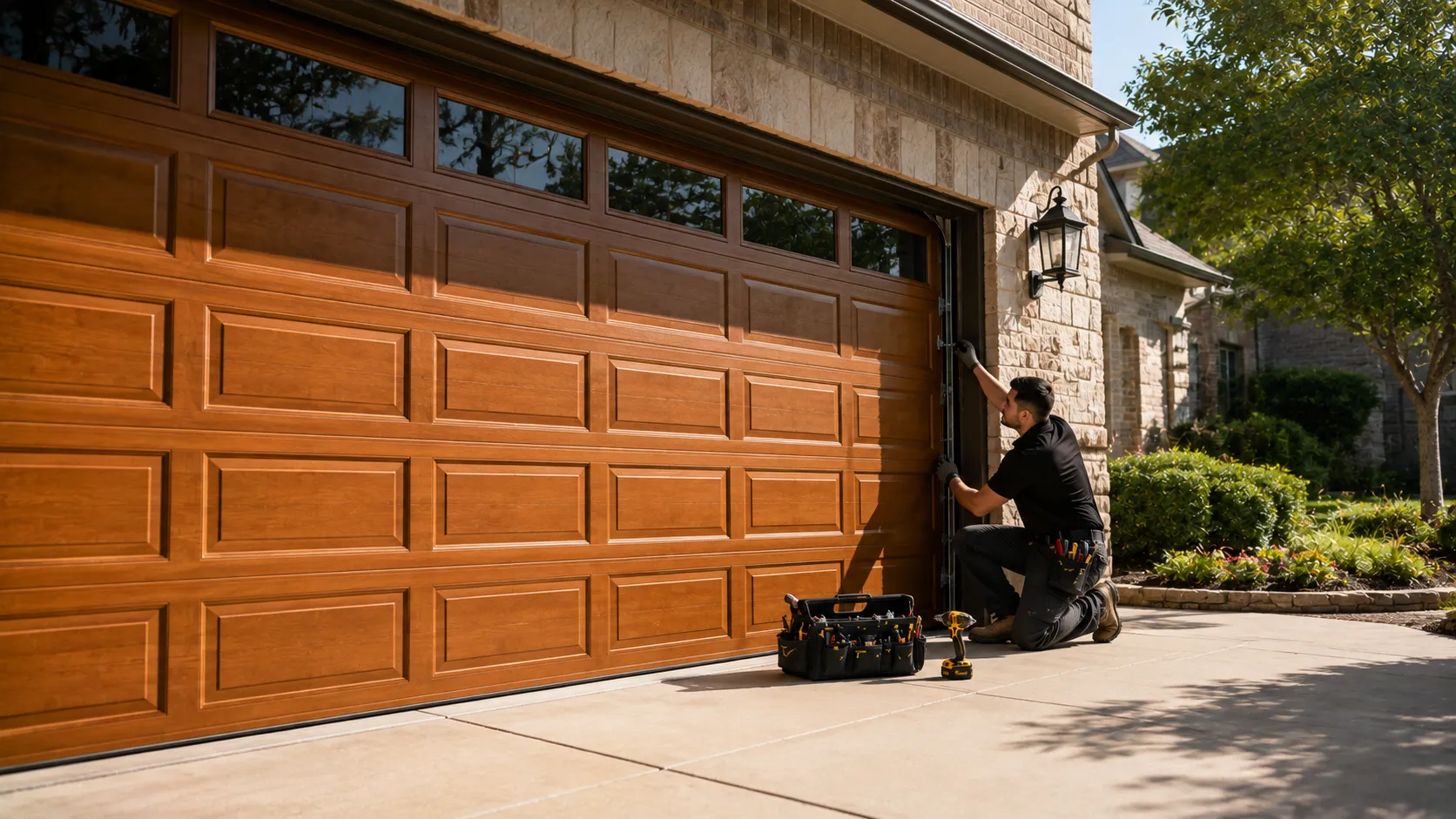
Fremont Garage Door Pros travels 19 miles to Belmont, CA for spring, opener, and panel repair on homes built mostly between the 1960s and 1970s in this area.
Local detail
What That Means for Doors
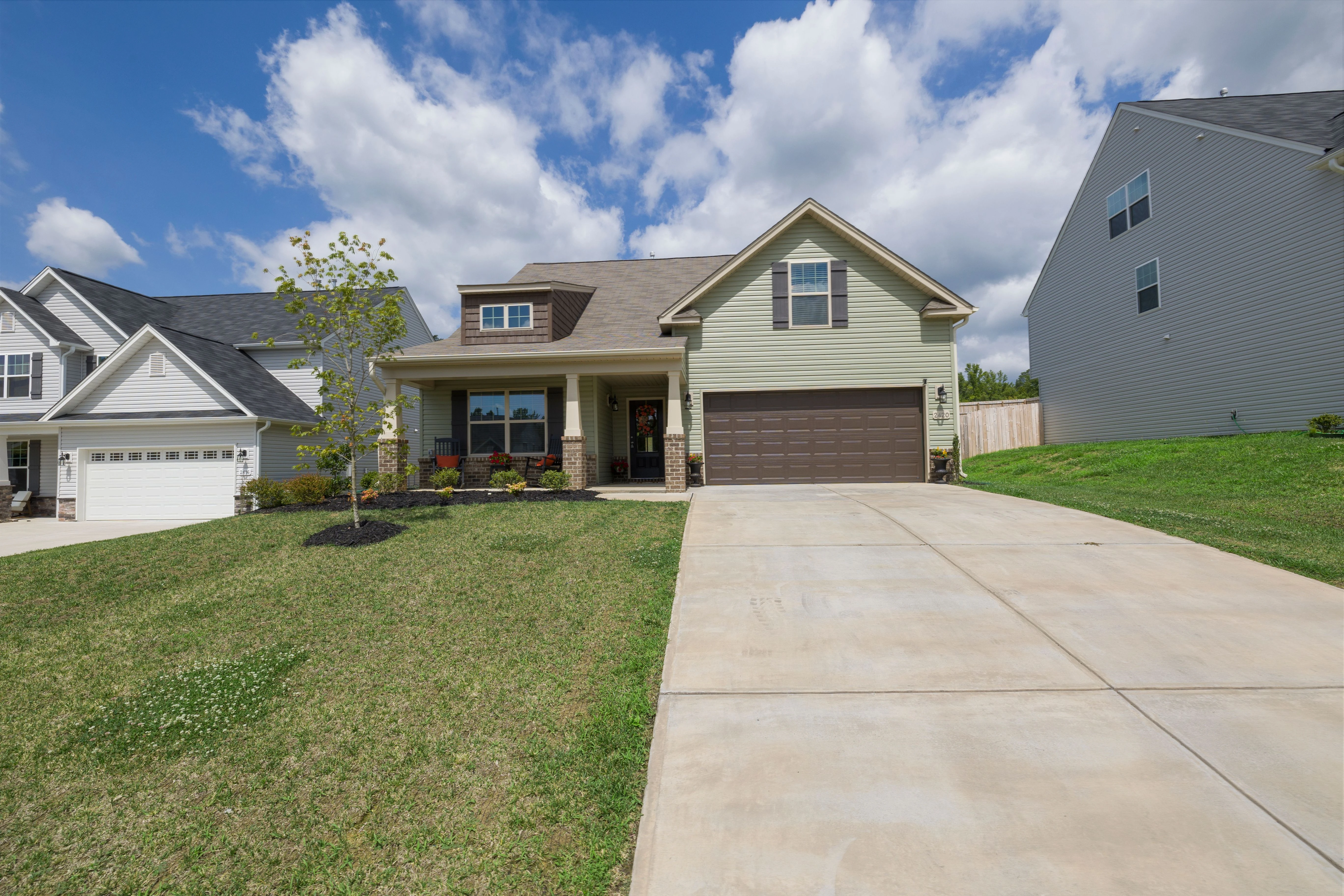
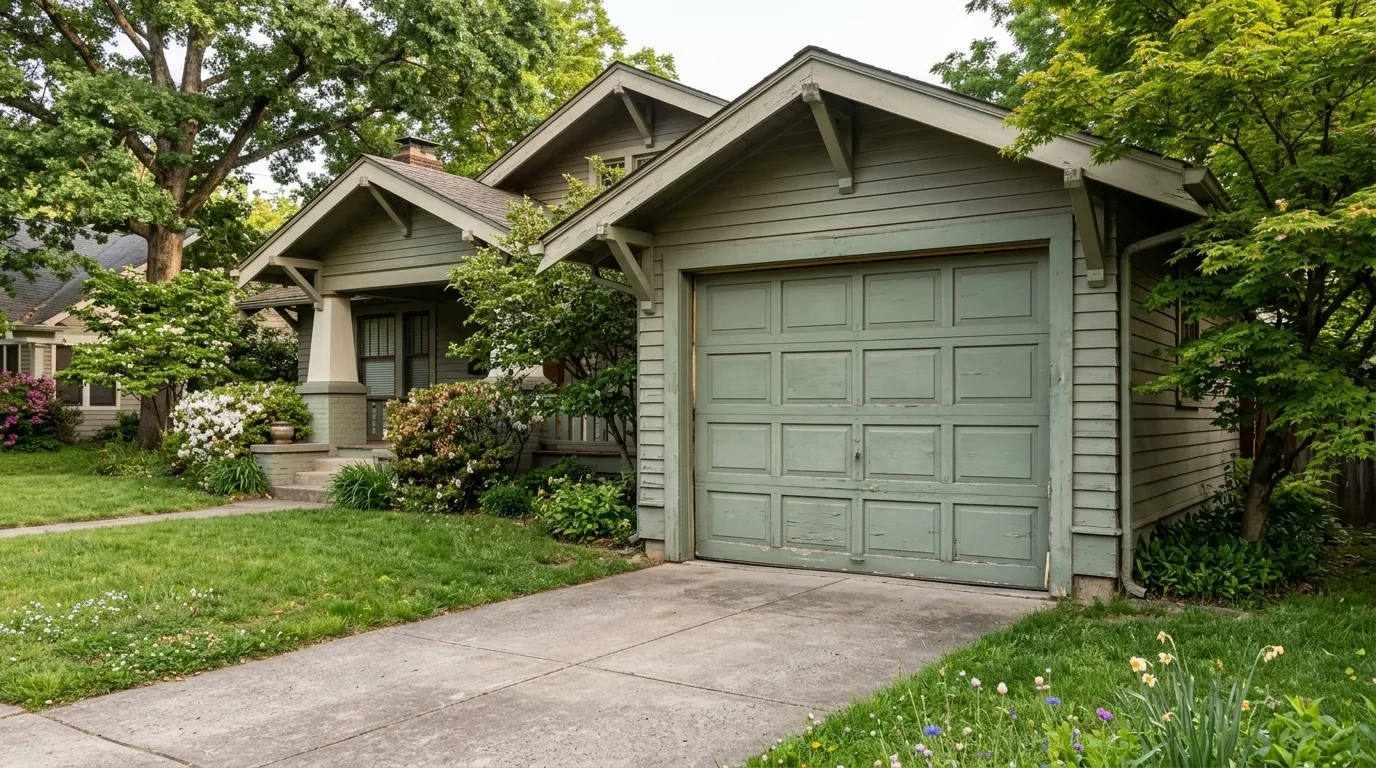
Most of the houses on this side of the peninsula went up in the 1960s, with Belmont's stock centering on 1966 - squarely inside the wider service area's 1955-2005 window but tighter than some of the newer subdivisions farther out. That matters because doors installed on a mid-60s build were almost always steel sectional units on side-mounted torsion springs, wired to openers added later, sometimes decades later, as garages got converted from storage to daily-use parking. The original tracks and hinges on those doors were sized for a lighter door than today's insulated panels, so when an owner swaps in a heavier replacement without upgrading the spring and track hardware, the opener strains and the rollers wear fast.
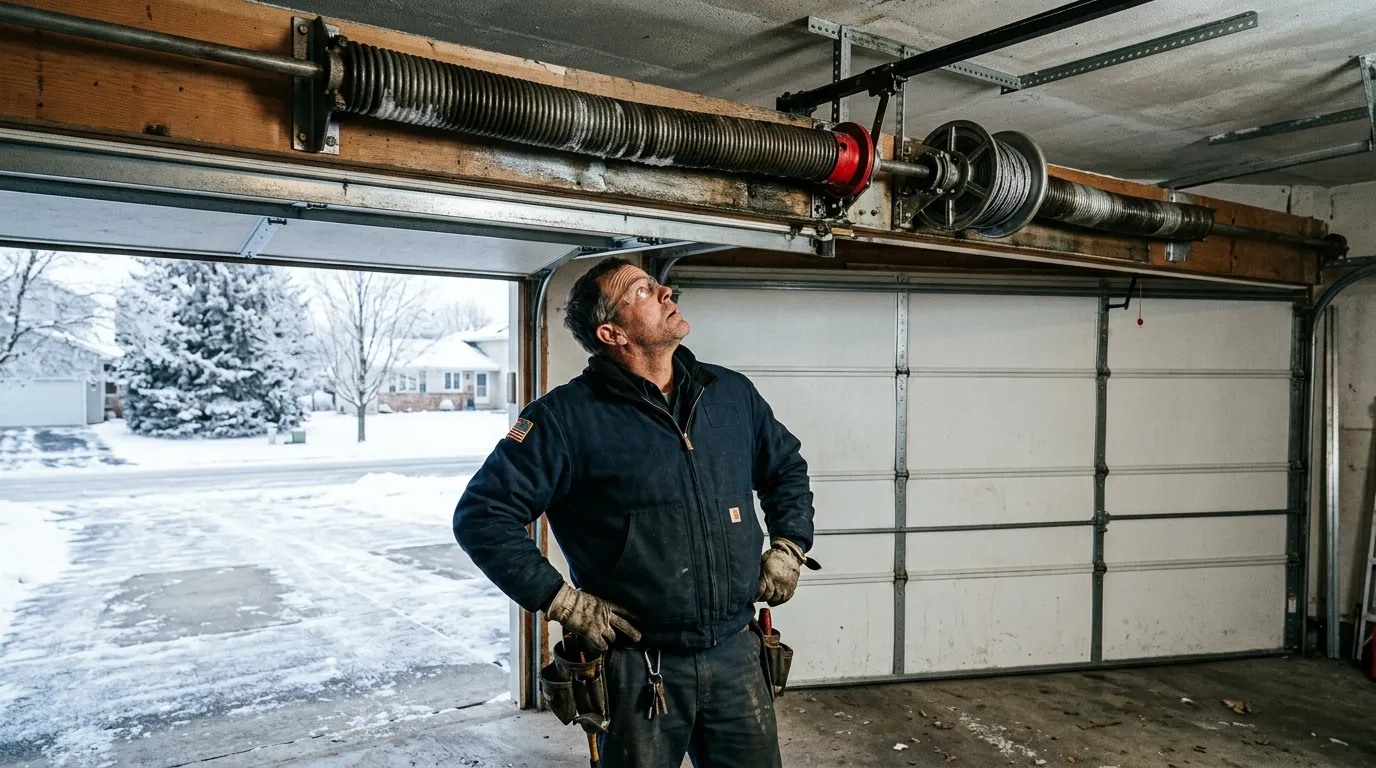
We see this pattern across the 1960s-70s stock that makes up most of the wider service area too, but a 1966 build means the wiring, spring cycle life, and track wear are all further along than in newer parts of the region. If your door still has its original springs, they are past the point where "replace when it breaks" makes sense - a torsion spring rated for 10,000 cycles has usually seen closer to 15 years of daily use by now.
The area
When We Can Get There
We run out of Fremont, about 19 miles from Belmont depending on the route, so we're not the fastest call if you need someone in the driveway in twenty minutes. We don't keep a truck stationed here and won't pretend otherwise. What we can tell you is that the drive is a known quantity - not a same-day guess through unfamiliar streets - because it's a trip our crews make regularly. Same-day and next-day scheduling still works for most jobs; a torsion spring or a stuck opener rarely needs to wait more than that.
Where the distance actually matters is emergency work: if a door is off its track and blocking a car in at 6 a.m. on a weekday, factor the drive into your plan, or call early enough in the day that we can build it into the route. We'd rather tell you that up front than have you sitting on hold wondering where the truck is.
What we find
What Was Built Here
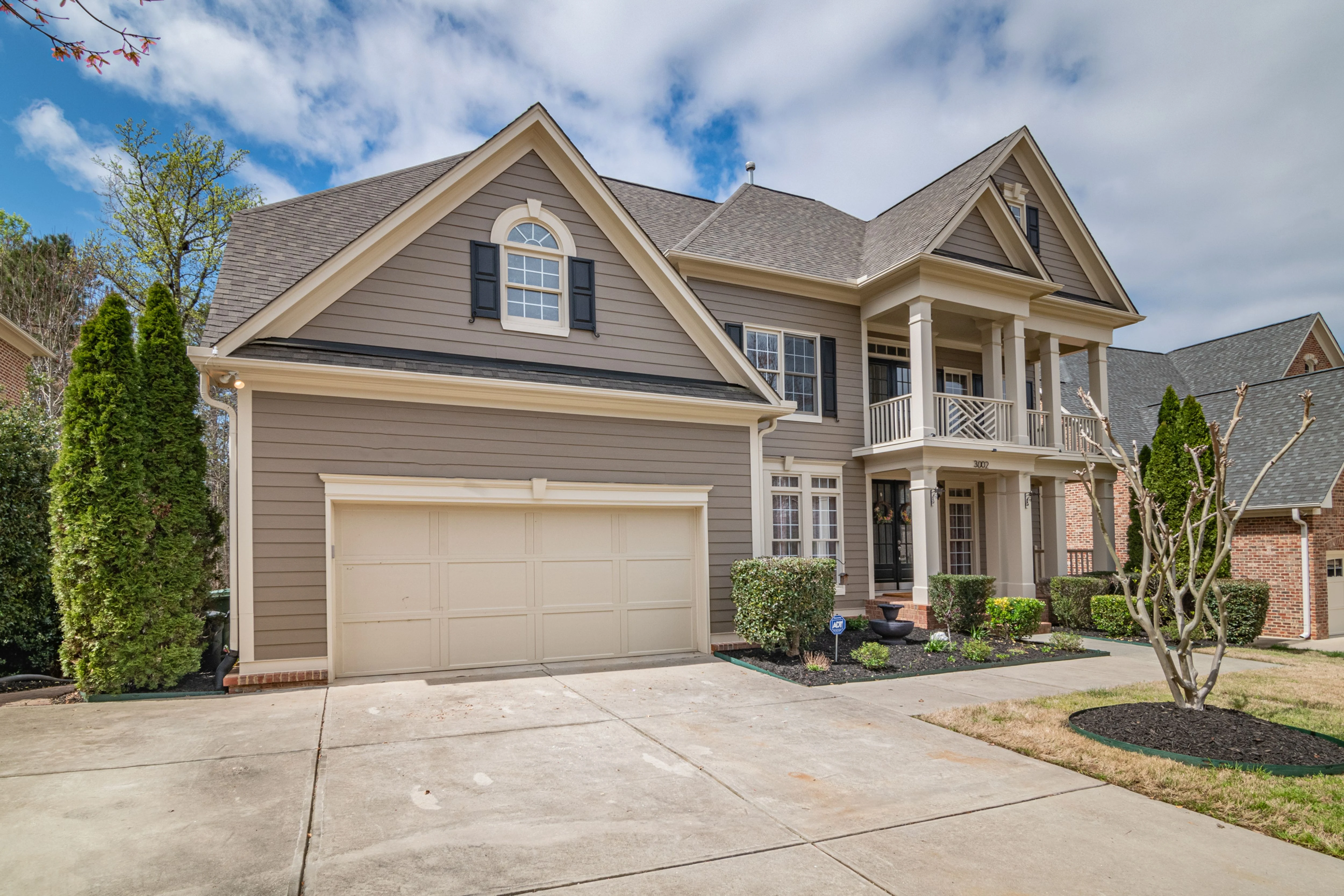
Belmont carries about 10,528 households, and the median income here, just over $207,000, runs well above the broader service area's figure - which shows up in the kind of doors people ask us to install, not just repair. Homes here mostly date to the mid-1960s, which lines up with the wider pattern across the region's older neighborhoods: steel sectional doors, single-layer or lightly insulated, on hardware that predates today's heavier insulated panels. The climate band here is mild temperate - no hard freezes to crack old grease in a torsion spring, no monsoon humidity to rot a wood jamb - so the doors that fail here usually fail from age and cycle count, not weather damage.
That's a different failure pattern than towns with harsher winters, where you see cable rust and slab heave from freeze-thaw. Here it's fatigue: springs that have wound and unwound tens of thousands of times, openers with drive gears worn smooth, tracks bent from small daily misalignments nobody noticed. It's steady wear, not sudden damage, which is usually good news - it means the failure is predictable and the fix is straightforward once we're looking at it.
How we work
What People Here Ring About
The calls we get from this stretch tend to follow the housing stock: a torsion spring that finally lets go on a door installed around when the house was built, an opener from the 90s or early 2000s that's on its second or third remote and finally quit for good, and rollers that have worn oval instead of round after years of the original steel wheels running in the same track groove. We also get calls about insulation retrofits - owners upgrading a light, mid-60s-era door to something heavier for temperature and noise, which almost always means new springs and sometimes a new opener to handle the added weight. What we don't get much of here is storm damage or flood-related work, consistent with the mild climate band; when a job doesn't need doing, we'll say so rather than sell a full replacement over a part that costs a fraction of that.
Service areas
Other areas we cover near Belmont
Questions
Common questions
Do you have a shop or depot in Belmont?
No. We run out of Fremont, about 19 miles away, and travel in for jobs rather than keeping a truck stationed here. Most repairs still fit same-day or next-day scheduling, but if you need someone in the driveway within the hour, that's outside what we can promise given the drive.
How old are most garage doors in Belmont likely to be?
Housing here centers on 1966, so most original doors are steel sectional units on side-mounted torsion springs from that era, later paired with openers added well after the house was built. If yours has never been replaced, the spring and rollers are almost certainly past their rated cycle life.
Does the mild climate mean less garage door maintenance?
It means a different failure pattern, not none. Without hard freezes or heavy humidity, doors here mostly fail from age and cycle count rather than weather damage - springs wearing out, gears stripping, rollers going oval. Regular lubrication and a spring check still matter; the wear just comes from use, not climate.
I'm putting in a heavier insulated door on an older house - what else needs to change?
Almost always the spring and sometimes the opener. Original mid-60s hardware was sized for a lighter door, so a heavier insulated replacement without a matching torsion spring upgrade puts extra strain on the opener and wears the rollers faster than it should.
Ready when you are
Need a garage door sorted in Fremont?
Fremont Garage Door Pros repairs and installs garage doors, springs and openers in Fremont, CA and the surrounding area.