
Settlement framing correction
Add framing correction, which comes up more often in houses built before the 1970s where the opening has settled slightly, and the job runs longer because we're squaring lumber before we can hang anything level.
Saratoga, Fremont
Most Saratoga garages still run the torsion hardware installed when the house went up in 1967. We swap it for code-legal, insulated doors sized to the original opening.
Our process
A house built around 1967, which is the median build year on this side of the hills, almost never has its original garage door still hanging - but the track, the header bracket, and sometimes the torsion tube are frequently the same steel that went in with the house.
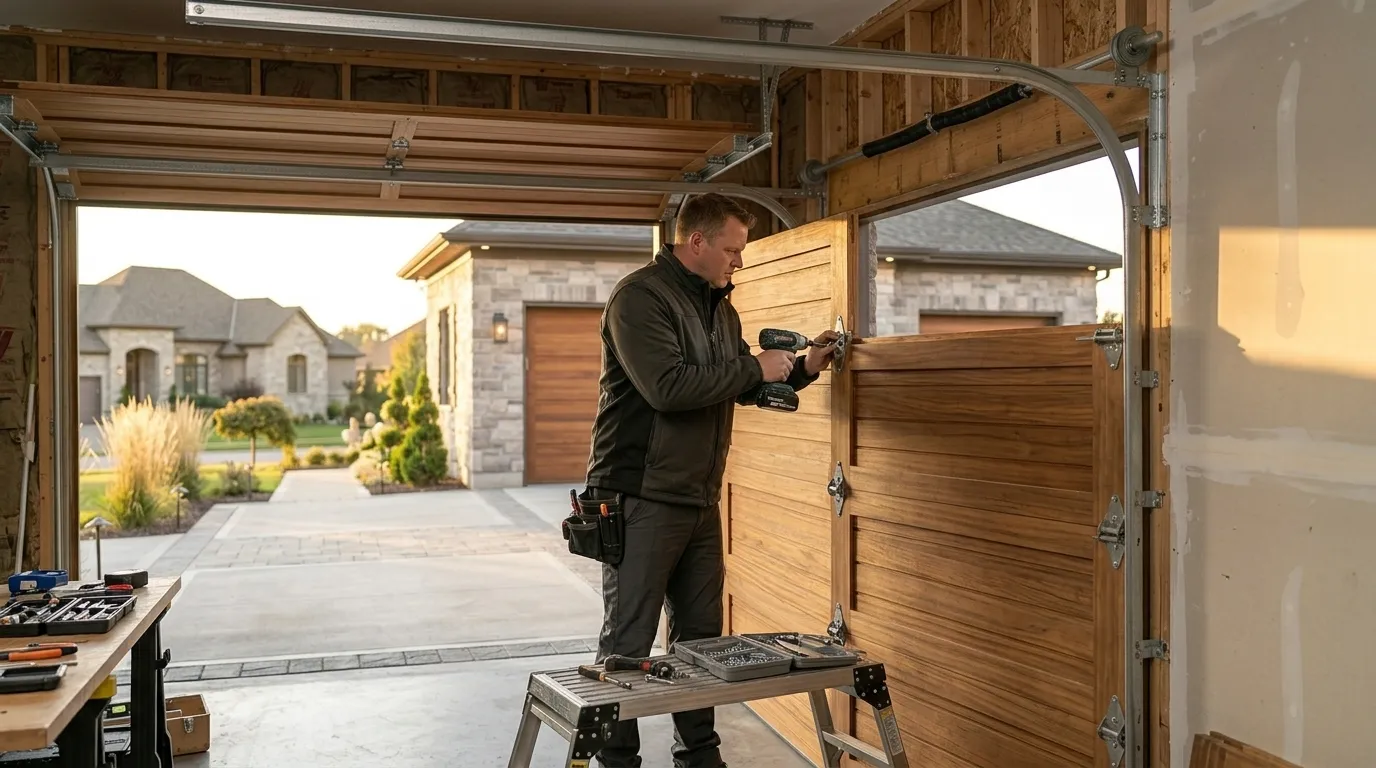
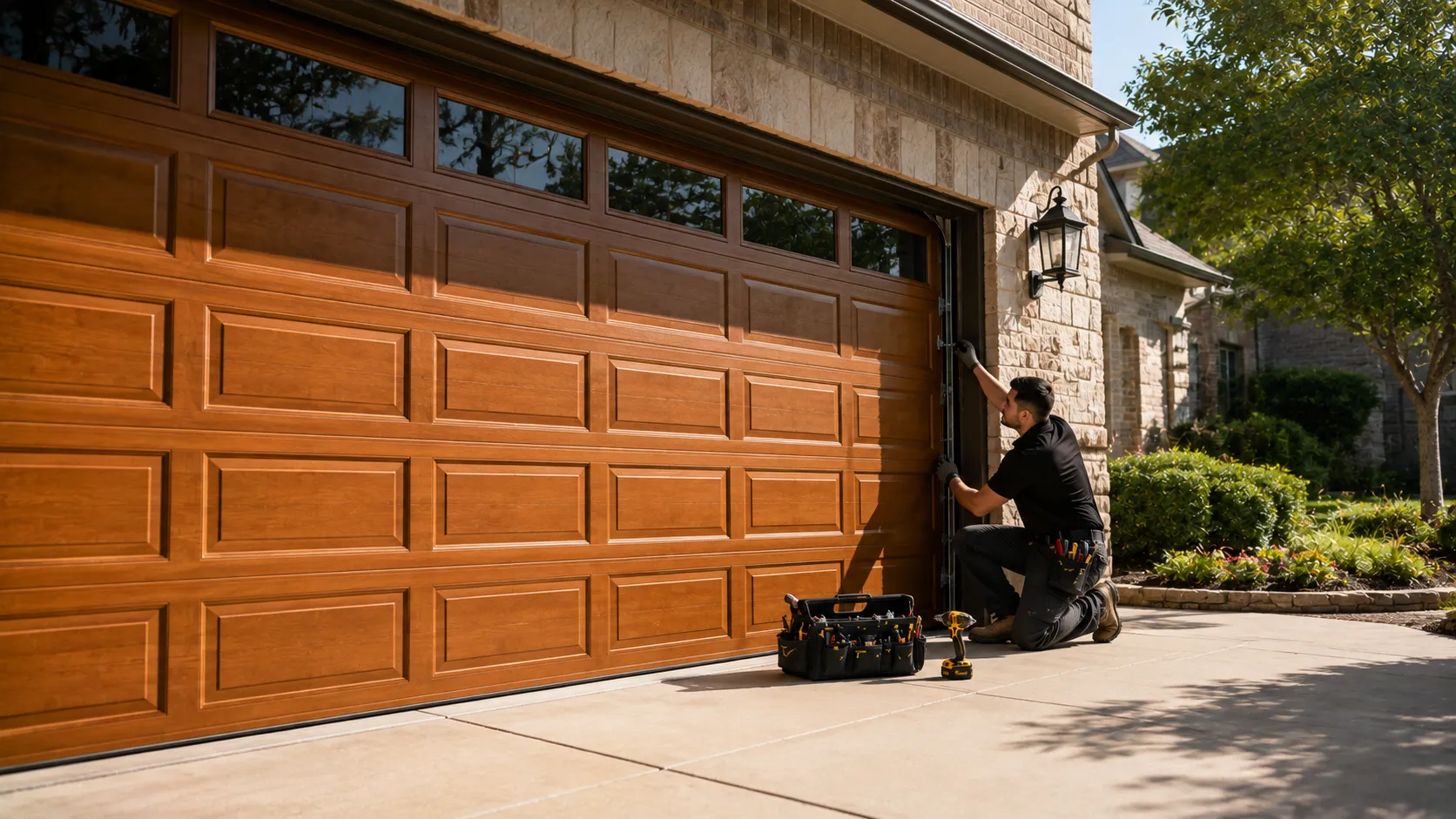
We pull the old door, check whether the opening was framed to a standard width or something the builder improvised, and set new jambs if the old ones have shifted. Then we install a new insulated door on new torsion hardware sized to the door's actual weight, not whatever spring happened to be on the shelf forty years ago.
We don't reuse a track that's been bent from decades of a door dragging on worn rollers - that's a false economy that shows up as a callback in six months.
If the opening is out of square, which is common in houses this age, we shim and level before the door ever goes on the hinges. This isn't a patch job. It's a full swap of everything that moves.
Pricing
We don't have a published price list for this page, and quoting a number without seeing the opening, the door style, and whether the framing needs work would be a guess dressed up as a fact. What we can tell you is that Saratoga's median household income is well above the wider service area's, and that shows up in what homeowners here typically choose - insulated steel or wood-composite doors with quieter hardware, not the bare minimum builder-grade option. The final number depends on door width, insulation level, and whether the opener gets replaced at the same time. We give a firm quote after we've looked at the actual opening, not before.
Job timing
A straight swap - same size opening, no framing repair - usually runs a single visit from removal to a working door.
Add framing correction, which comes up more often in houses built before the 1970s where the opening has settled slightly, and the job runs longer because we're squaring lumber before we can hang anything level.
We travel from Fremont, about 16 miles out, so we schedule the full job in one block rather than splitting a visit into separate trips for measuring and installing. If a part needs ordering - a wider door, a specific finish - that adds lead time before the crew ever shows up with the door itself.
Watch-outs
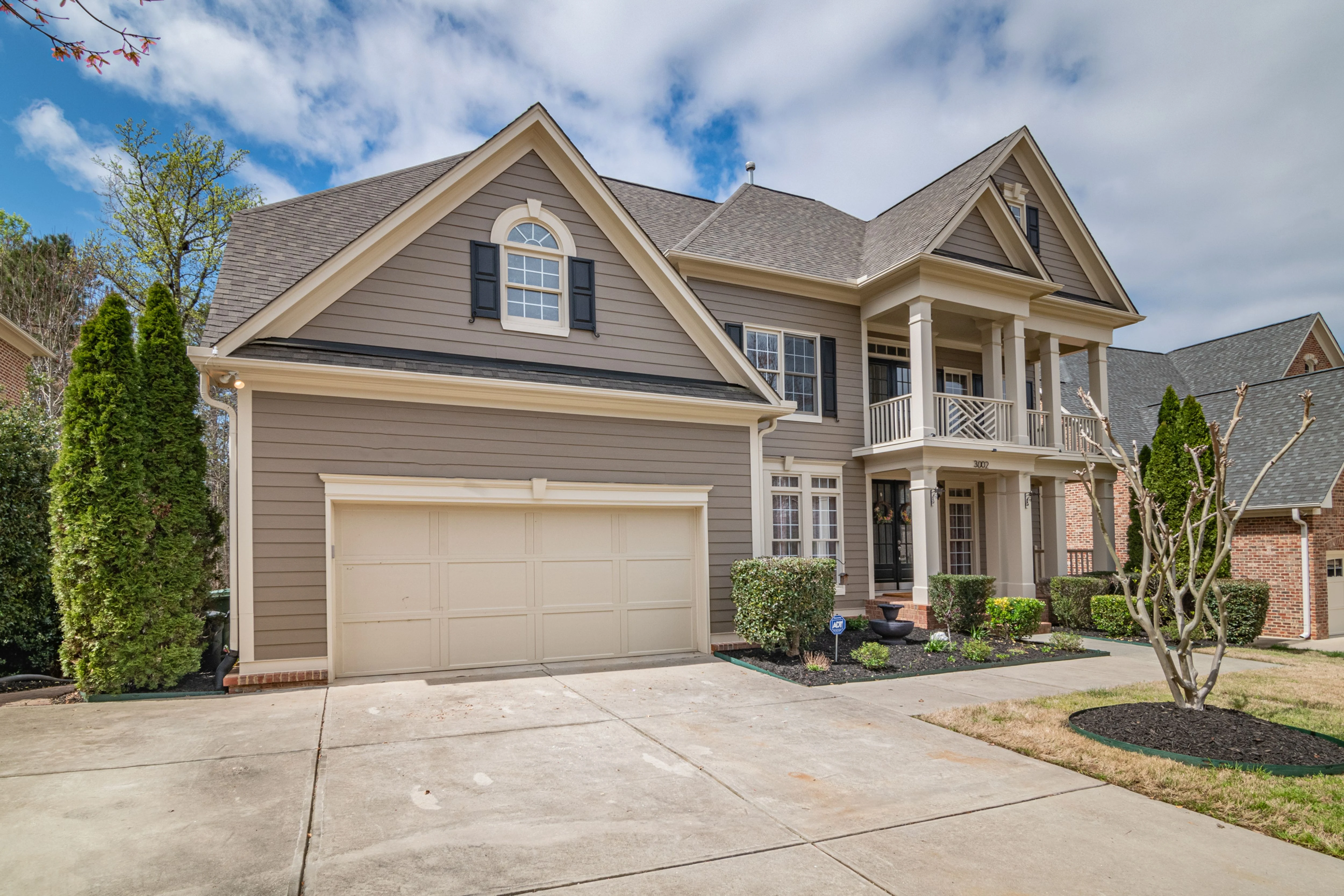
The mild temperate climate here is kind to garage doors in one specific way: you don't get the freeze-thaw cycling that cracks weatherstripping or seizes hardware the way it does in colder regions, so corrosion on original springs and hinges is usually from age and use, not rust. What does bite is decades of a door running on the same rollers and cables without anyone touching them - by the time a homeowner calls, the opener has often been straining against a spring that lost half its lift years ago. We also see openings that were never quite standard width, which is common in custom-built houses from this era, and that changes what door sizes we can even order. We won't force a stock-size door into a non-stock opening; if it doesn't fit clean, we say so before we order anything.
On the truck
We carry standard torsion springs, common roller and cable sizes, and the track hardware that fits most doors built to typical widths - the parts that let us finish a straightforward swap in one visit.
What we don't keep on the truck is anything custom: a non-standard width door, a specific wood finish, or an opener model built for an unusually heavy panel.
Houses from the 1967 era occasionally have openings sized to an older standard that current stock doors don't match exactly, and when that happens we order the door to the actual measurement rather than force a fit. That adds a few days to the timeline, and we'd rather tell you that upfront than promise a same-visit install we can't deliver.
Warning signs
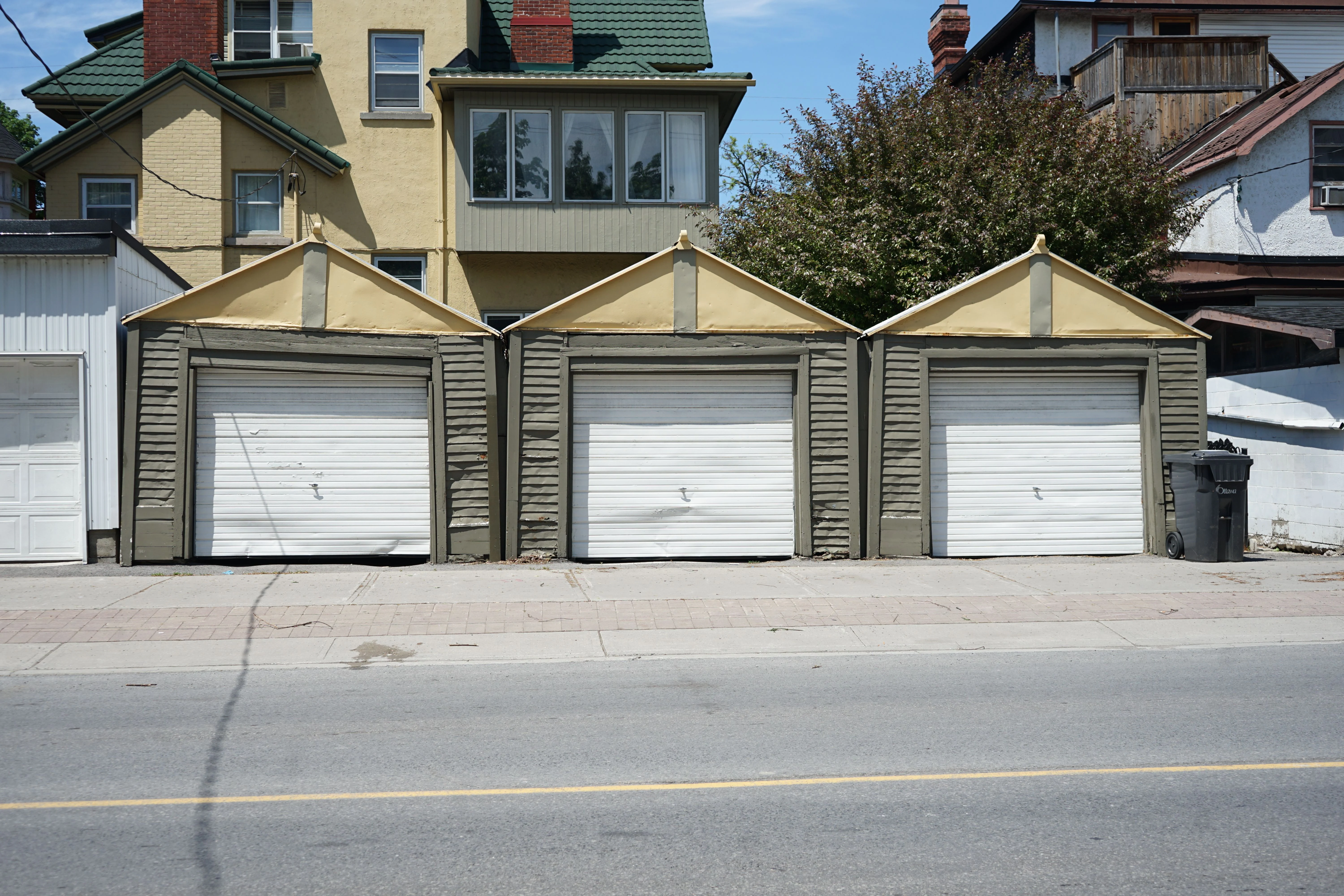
The call we get most from this part of the service area isn't a door that won't open - it's a door that's gotten loud, or an opener that's started working harder than it used to. Both usually trace back to the same cause: hardware from the build year that's simply worn out its lifespan, not failed outright. Because the surrounding housing stock across the service area mostly dates to the 1960s and 70s, this pattern isn't unique to any one street - it's just what happens to torsion hardware after fifty-plus years of use, regardless of which house it's on. If your door is still functioning but sounds rougher than it used to, that's usually the moment to replace before something breaks outright and leaves you stuck with a door that won't move at all. If you want a repair diagnosis first, see our page on Saratoga garage door repair before committing to a full replacement.
Questions
The door itself, probably not - most doors get replaced at least once over fifty-plus years. But the track, header bracket, and sometimes the torsion tube can still be original. We check the hardware, not just the door, before quoting a replacement.
No. We're based in Fremont and travel out to Saratoga, about 16 miles, for both repair and installation jobs. We schedule the full job as one visit rather than splitting it into separate trips.
Usually a torsion spring that's lost lift over the years, forcing the opener motor to do work the spring used to handle. It still opens, so nothing feels urgent, but it's the most common sign we see before a spring fails outright.
Often, but not always. Custom-built houses from the 1960s and 70s sometimes have openings sized off standard, and we won't force a stock door into a non-stock frame. We measure first and order to the actual opening if needed.
Explore more
Ready when you are
Fremont Garage Door Pros repairs and installs garage doors, springs and openers in Fremont, CA and the surrounding area.