
Level roller replacement
If the door opens and closes level, and you're only replacing worn rollers one at a time while the door stays under spring tension, that's a manageable DIY task. Where it stops being a weekend job is track alignment.
Fremont, CA
Fremont's housing runs 1955 to 2005 with a 1966 median build year, so original roller hardware is aging out. Here's why rollers fail here and what drives the cost.
DIY or pro
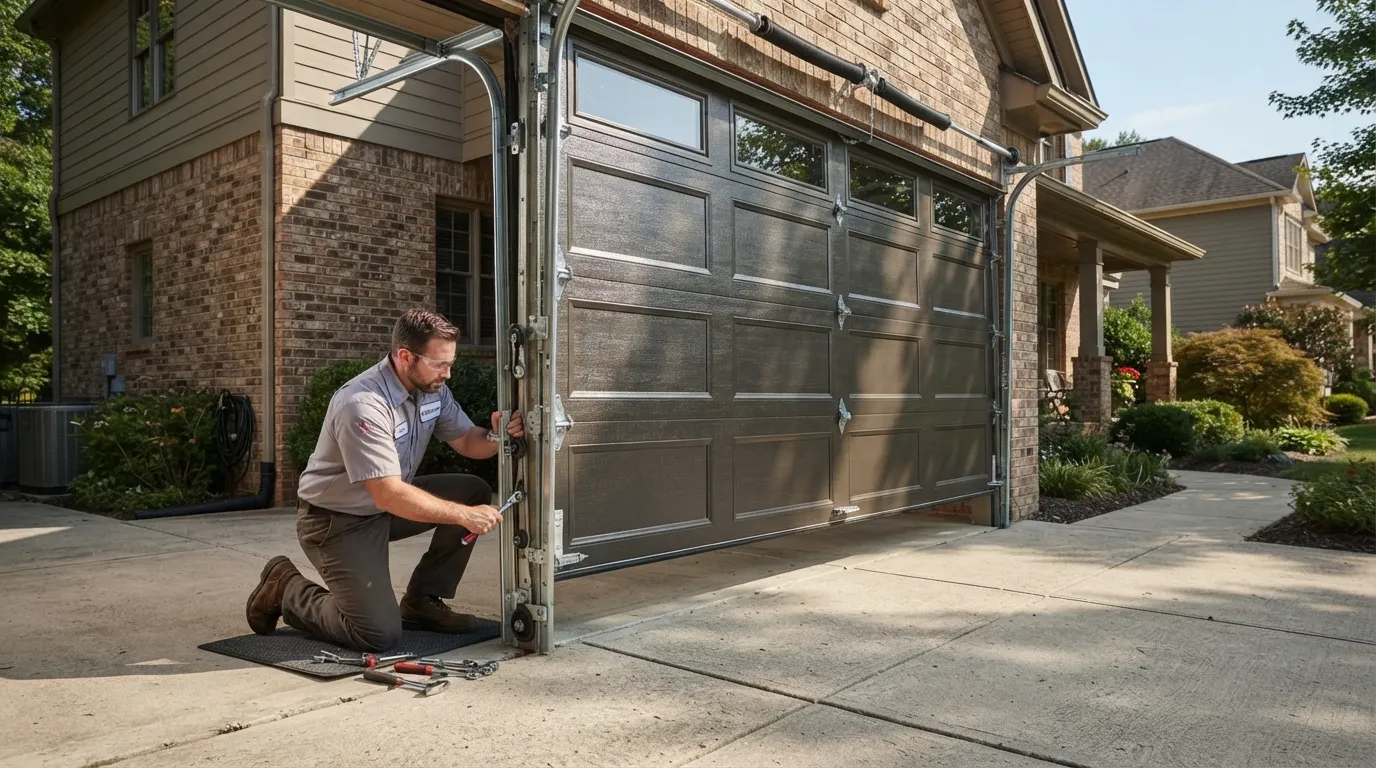
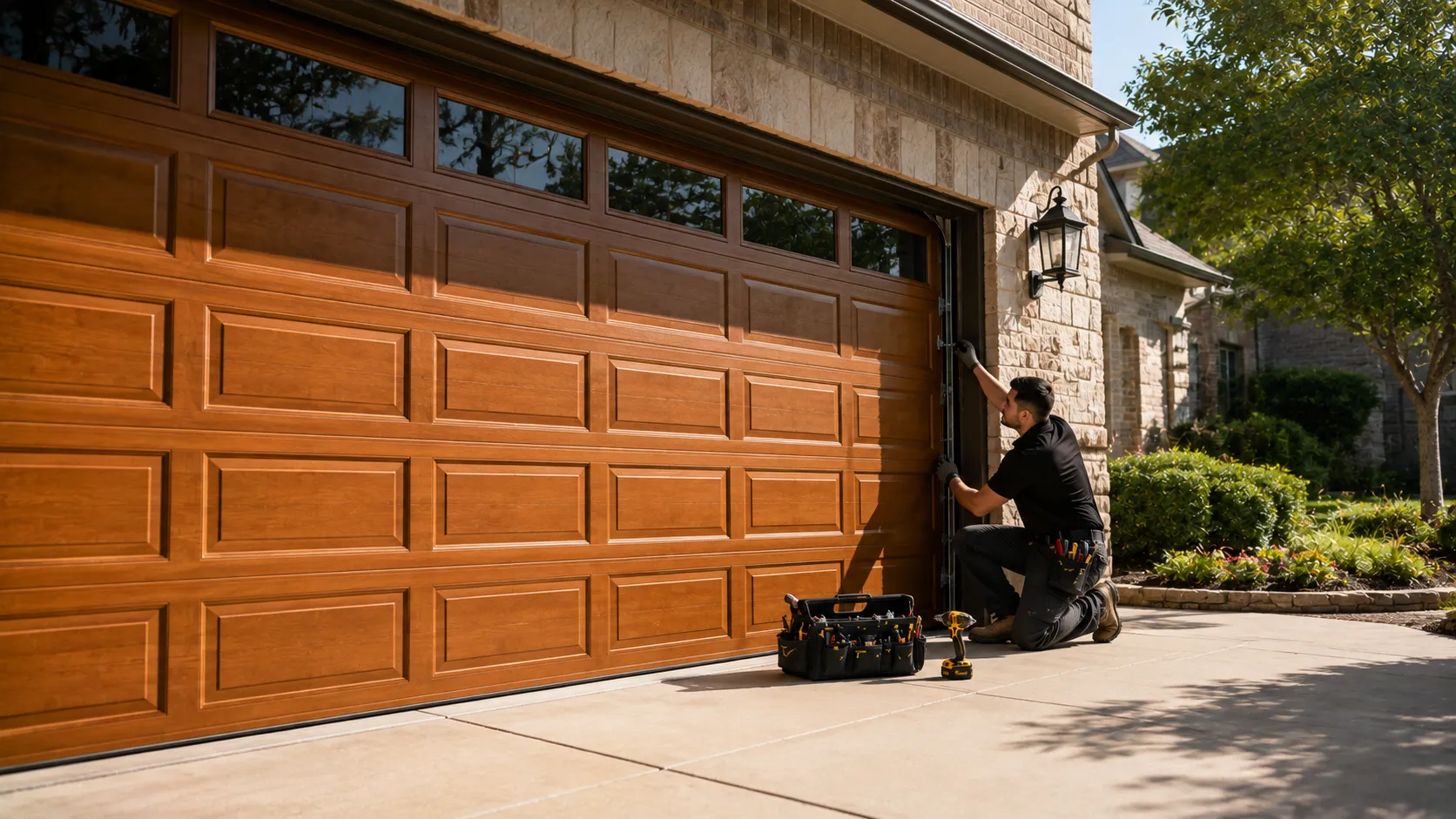
Swapping a handful of nylon rollers on a door that still travels straight is a job a lot of Fremont homeowners can do with a wrench, a stepladder, and an afternoon.
If the door opens and closes level, and you're only replacing worn rollers one at a time while the door stays under spring tension, that's a manageable DIY task. Where it stops being a weekend job is track alignment.
A lot of houses in Fremont's older pockets - built in that 1955-2005 stretch, with plenty from the 1960s and 70s - still run original steel track sized to hardware that's not what's on the shelf at a big box store today. If a roller has been grinding for months, the track itself is often bent or worn at the same spot, and forcing a new roller into a track that's out of true just wears the next one out fast.
Our honest limitation: we don't sell rollers over the counter for you to install yourself, and we won't talk you through a repair over the phone if the door is off its track or a cable's involved - that's not a rollers job anymore, that's a safety call. If you're not sure which one you've got, that uncertainty is the answer.
Pricing
What you pay for roller replacement comes down to three things: what material you're replacing, how many rollers are actually bad, and whether the track needs correcting at the same time.
Nylon rollers with sealed bearings cost more per roller than plain steel, but they run quieter and last longer, which matters if the garage sits under a bedroom - common in a lot of Fremont's single-story ranch-style builds from the 60s and 70s.
Steel rollers are cheaper up front and still standard on a lot of original hardware from homes built in that era. Most jobs replace all the rollers on a door at once rather than one or two, since if one's worn the rest are close behind - they've usually been carrying the same load for the same number of years.
If the technician finds a bent track section or a hinge that's cracked from the same wear cycle, that gets priced separately, because it's a different repair with different parts. We don't post a flat number here because the range depends on whether it's a straightforward roller swap or a roller-plus-track job, and we'd rather quote it after a look than guess low and surprise you on the invoice.
Local causes
Fremont's housing stock runs mostly from 1955 to 2005, with a median build year around 1966, and a lot of it clusters in that 60s-and-70s wave across the older neighborhoods. That matters for rollers because a door installed in 1968 and never upgraded is still running on hardware from 1968 - steel rollers, steel track, and stamped hinges that have been carrying the same panel weight for over fifty years.
What doesn't drive roller failure here is weather extremes. Fremont sits in a mild temperate band - no hard freeze cracking rubber seals, no desert heat warping track brackets the way you'd see in a harsher climate. Roller wear here is almost entirely a function of age and cycle count, not storms or temperature swings.
That means the failure pattern is predictable: rollers on original 1960s-70s hardware wear out from decades of use, not from a bad winter. If your door is original to a house from that era and it's never had the rollers touched, you're not unlucky - you're just due.
Warning signs
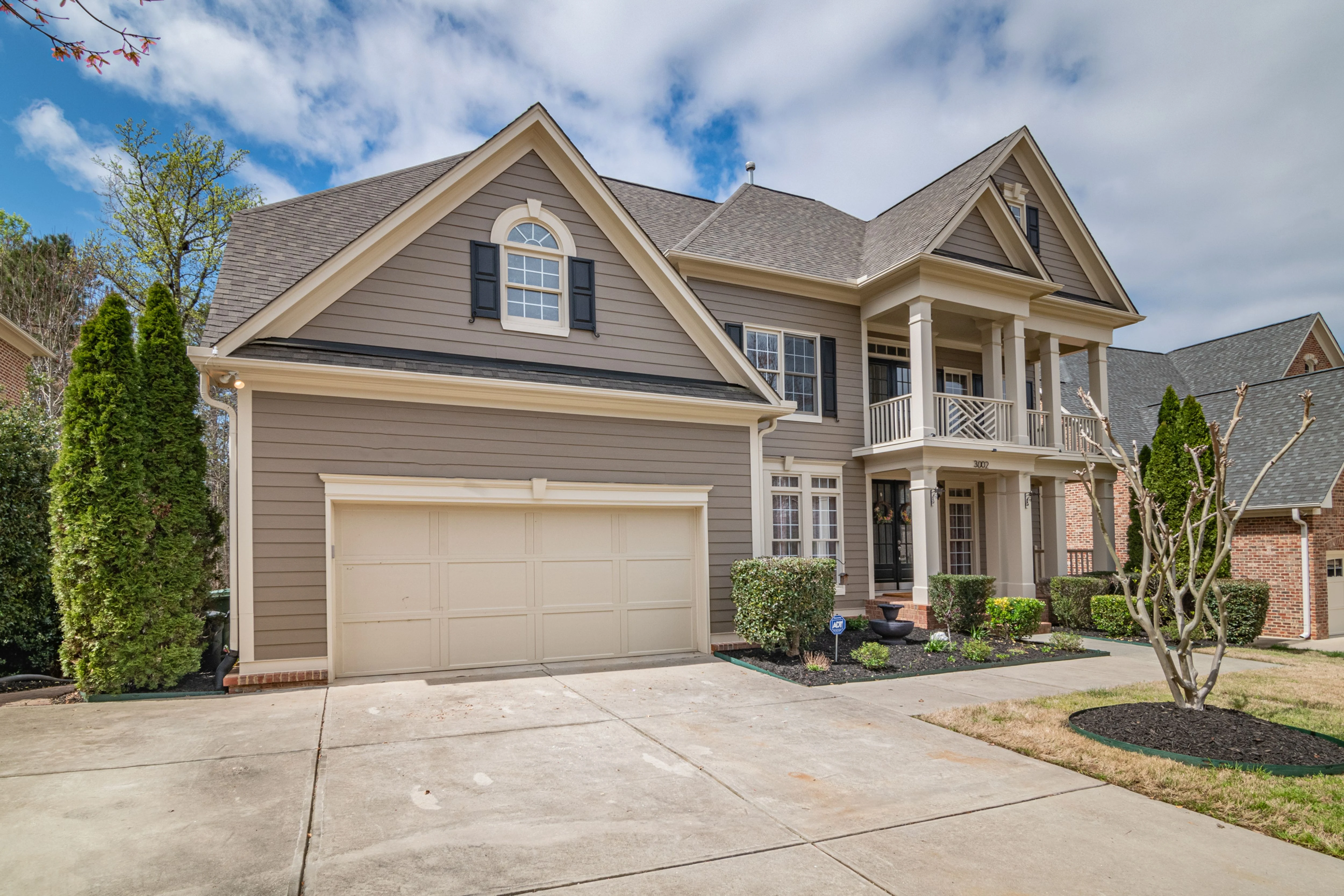
The most common sign is noise - a grinding or clicking that follows the roller around the track as the door moves, worse right where the roller carries the most weight near the bottom panel. A lot of homeowners notice it first thing in the morning when the garage is cold and quiet enough to hear it clearly.
After the noise comes hesitation: the door catches, jerks, or seems to stick for a second at the same spot on every cycle. That's usually a roller that's worn down enough it's no longer round, or one that's cracked and about to shed pieces of nylon into the track.
We see this across the older neighborhoods close in - Mission San Jose, Niles, Warm Springs, Glenmoor, Parkmont, and the Central District all have pockets of houses from that same 1960s-70s wave, and the rollers wearing out now are the ones that came with the house. If you're in one of those areas and the door's been getting louder for a few months, it's very likely just rollers, not a bigger problem.
Questions
Most doors have 8 to 10 rollers depending on the number of panels, and we usually replace them all together rather than one at a time. If they've been on the door the same number of years, they're wearing at close to the same rate, so replacing just the noisy one often means you're back for the next one within a year.
Grinding or clicking that moves with the door as it travels is almost always rollers or track. If the door feels heavy to lift by hand, won't stay open partway, or the cable looks loose, that's spring or cable territory - a different repair, and one we'd want to look at directly rather than guess over the phone.
You can, and it's a fair way to spread out cost if the upper rollers still look fine. The tradeoff is a second visit later when the upper ones catch up in wear, since they've been carrying load the same length of time as the ones you just replaced.
Explore more
Ready when you are
Fremont Garage Door Pros repairs and installs garage doors, springs and openers in Fremont, CA and the surrounding area.