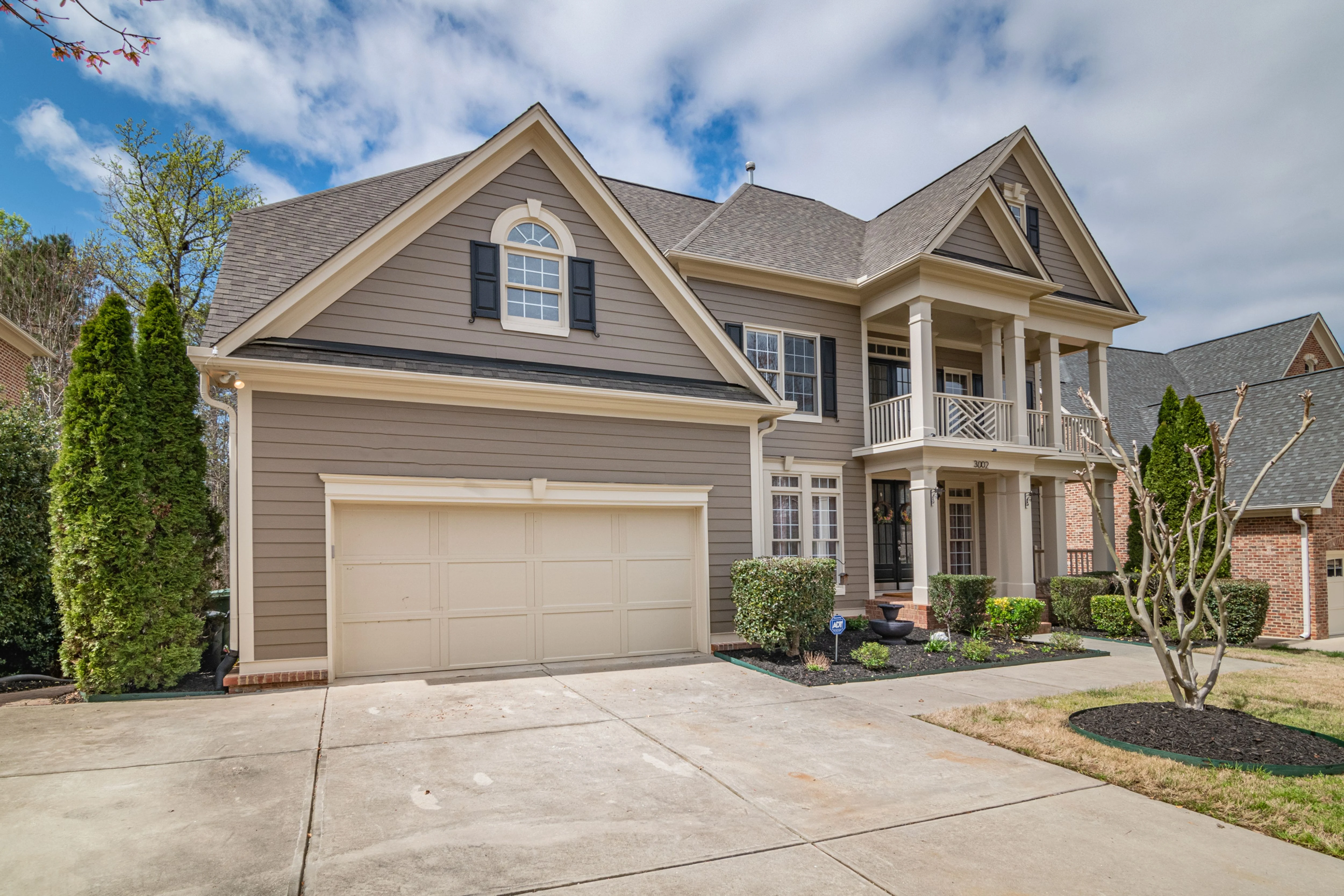
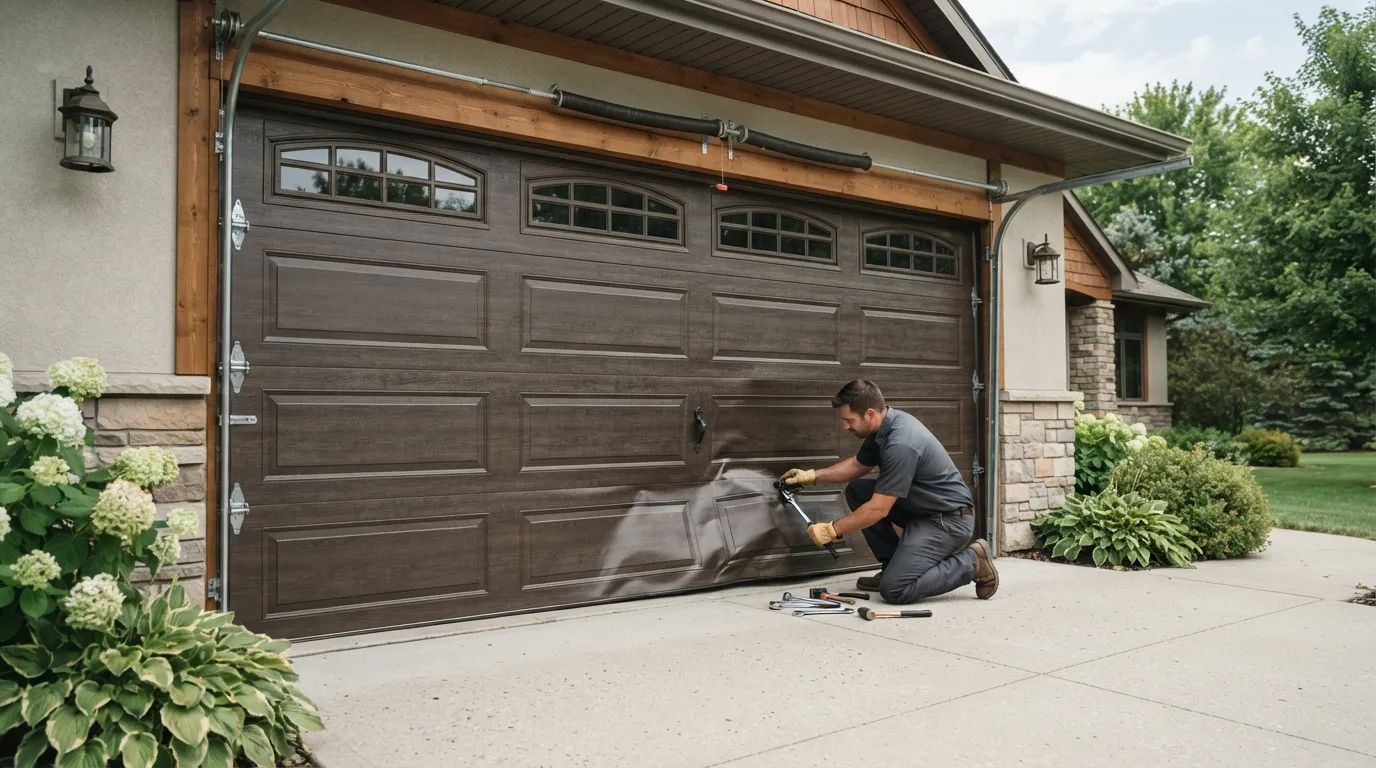
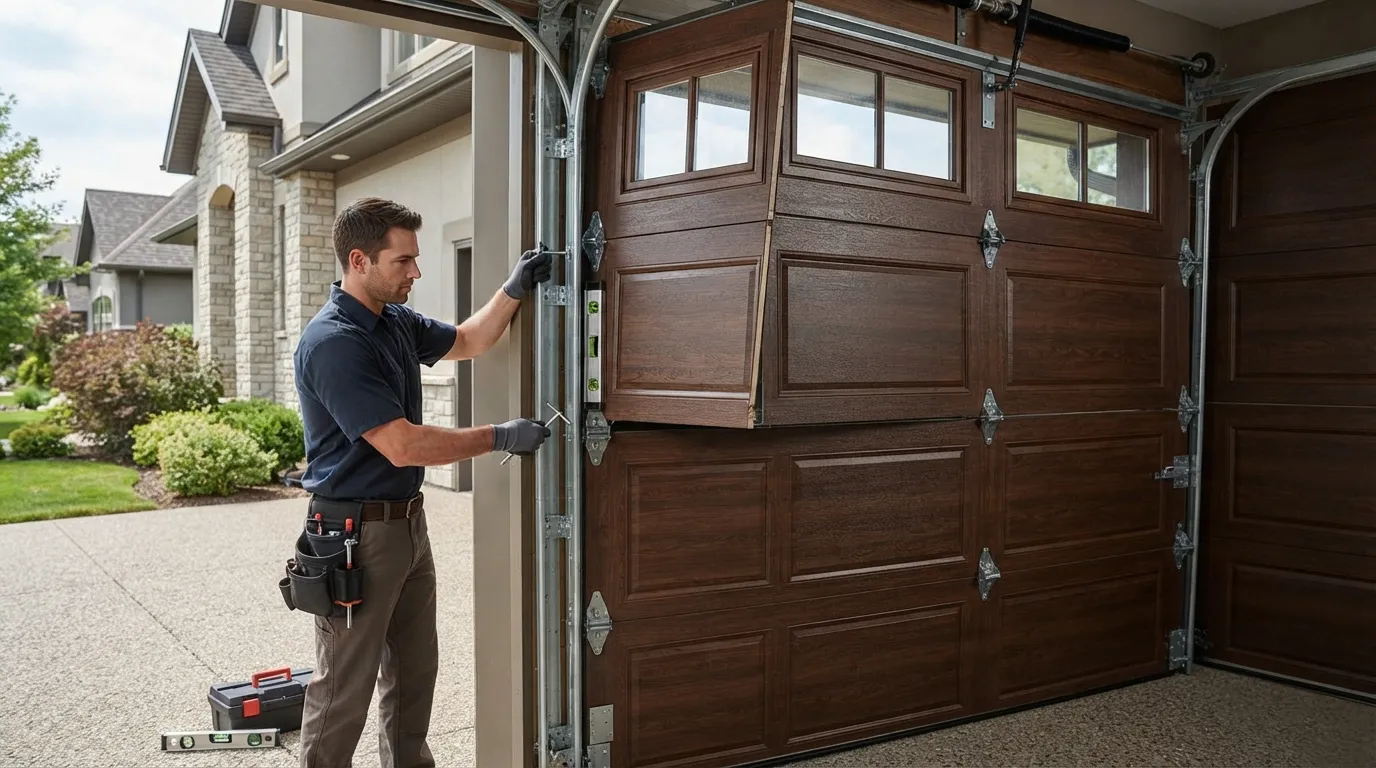
The calls we get from the older tract streets tend to look the same. A door that's sagged visibly in the middle, panels bowed from decades of an underpowered spring doing more lifting than it was rated for, or a track that's worn oval instead of round from the original hardware never being upgraded. None of that is dramatic - it's slow.
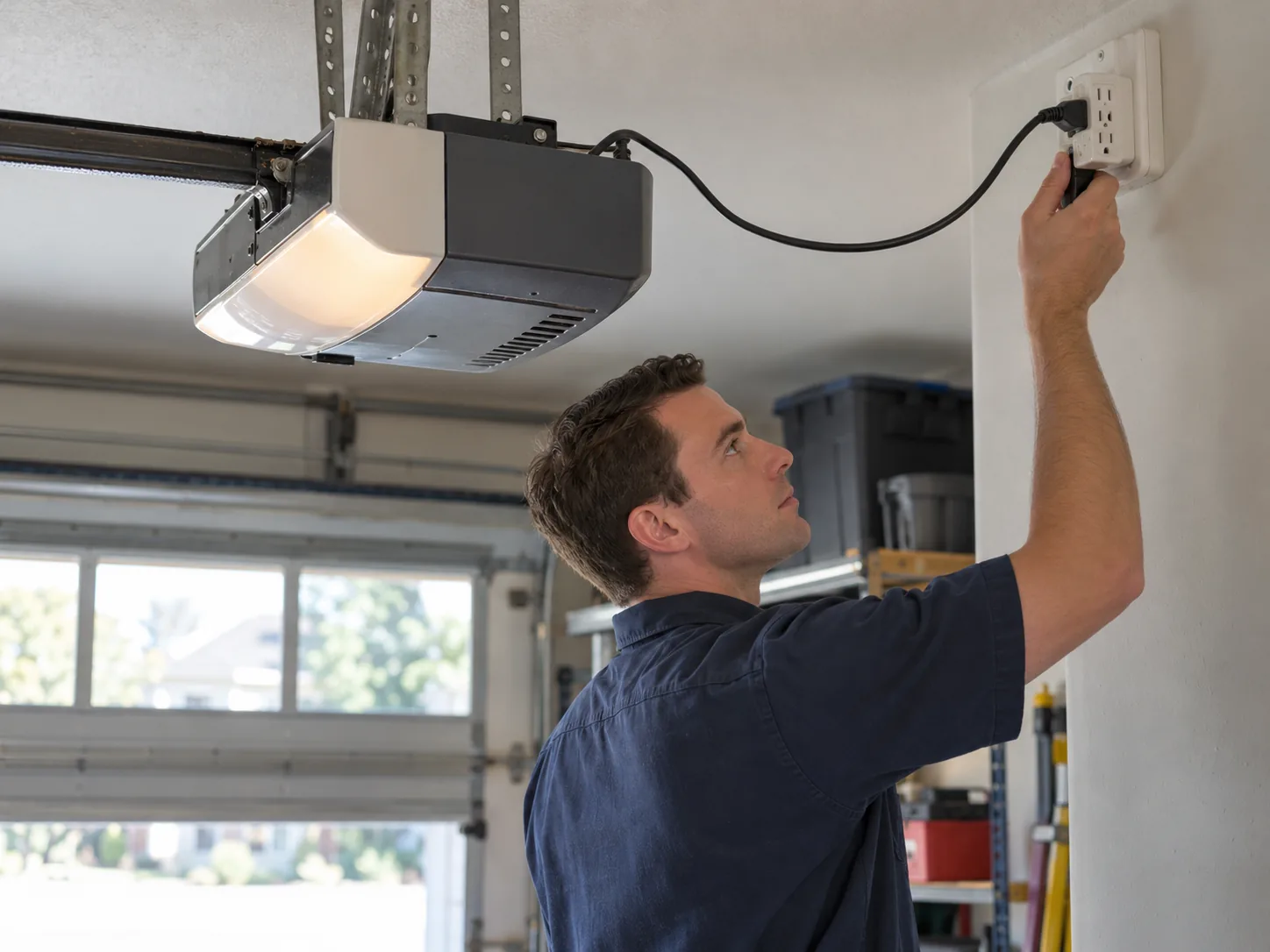
Across the roughly 129,000 owner-occupied houses in this service area, a large share built during that same 1960s-70s wave, this pattern repeats: the door still closes, but it's noticeably heavier to lift by hand, or the opener strains and stalls partway. That's usually the sign that the door itself, not just the opener, is past its working life.
In some of the closer-in neighborhoods, original headers were framed tight to the door that shipped with the house, so a replacement sometimes needs a slightly different profile to clear the same rough opening cleanly. We check that on site rather than assume a like-for-like swap will drop straight in.