
In-person repair transparency
What we can tell you is how we price it: we look at the door in person or over photos, tell you what's actually failed, and give you the number before we start the job.
Saratoga, Fremont
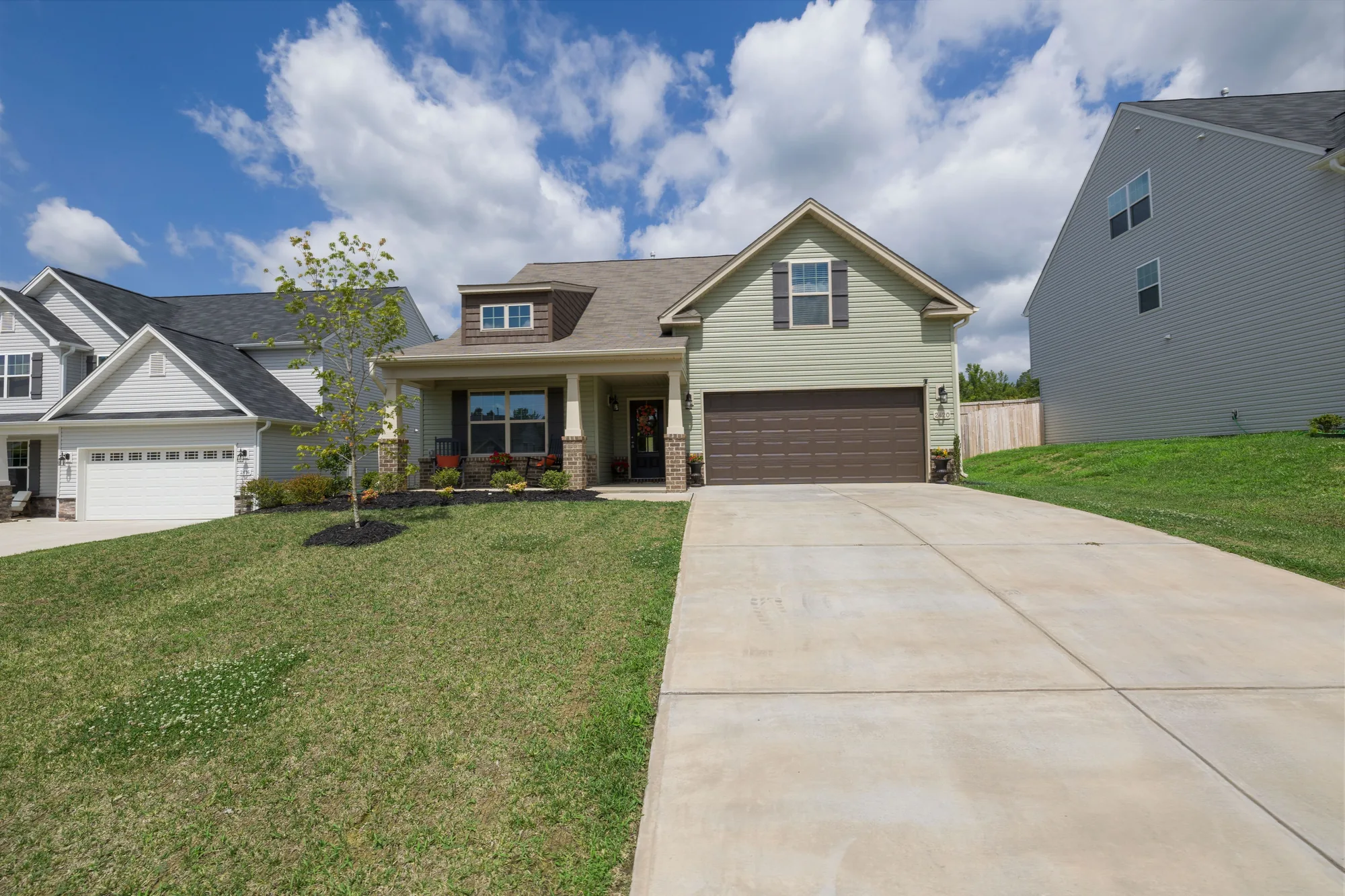
Saratoga homes date mostly to the mid-1960s. Our Fremont trucks bring the torsion-spring and opener parts that fit that era, not generic stock.
Our process
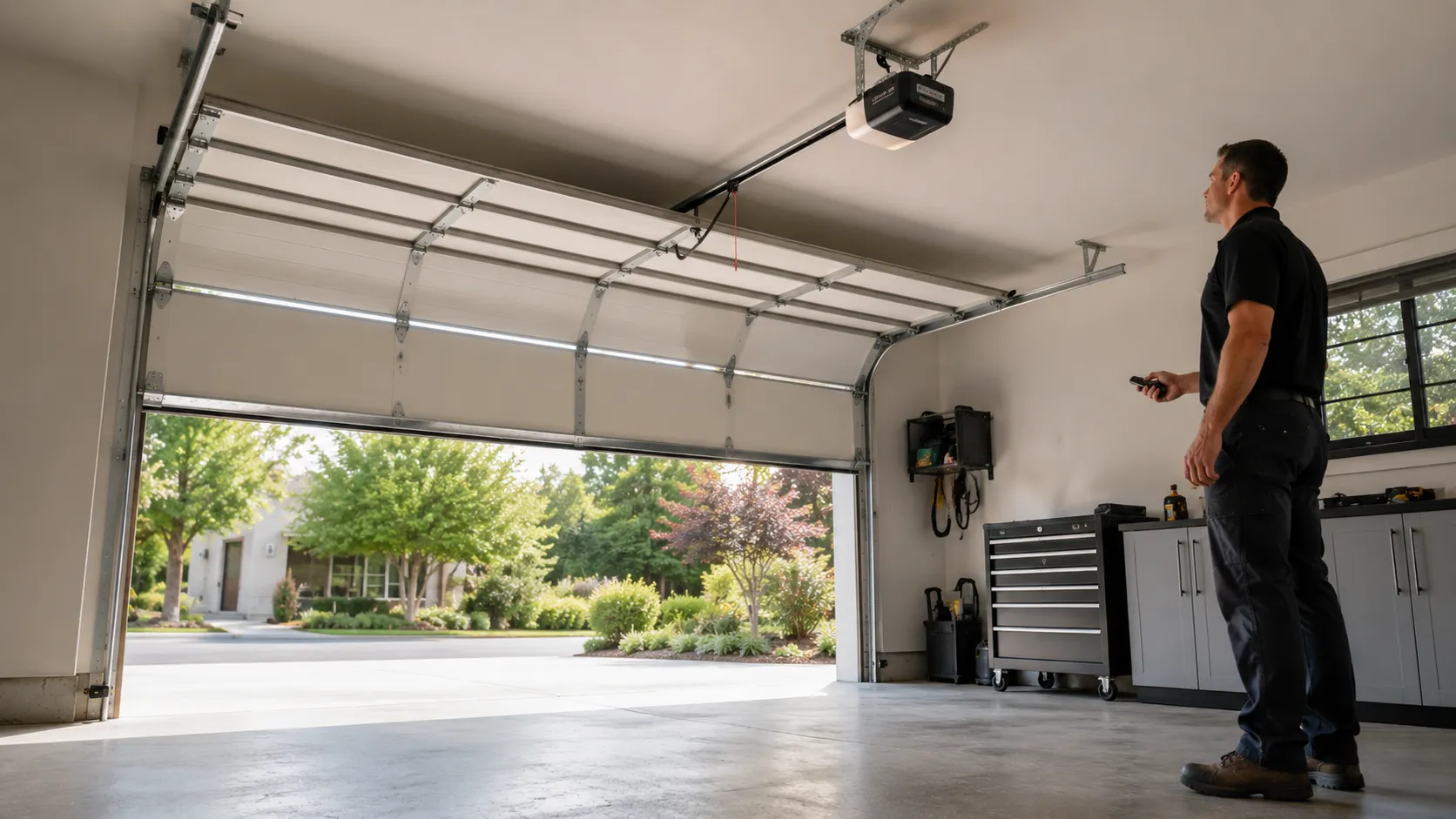
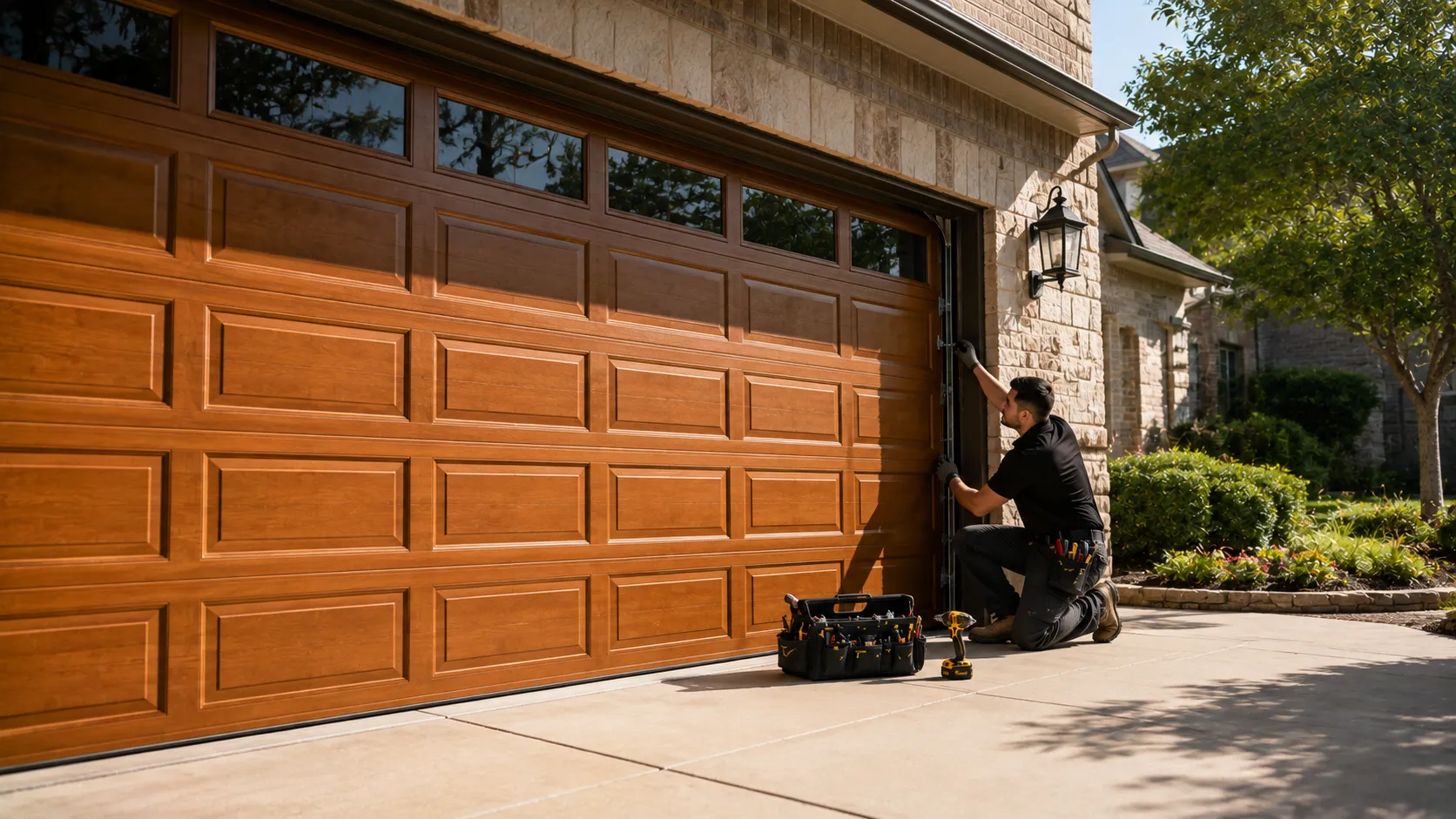
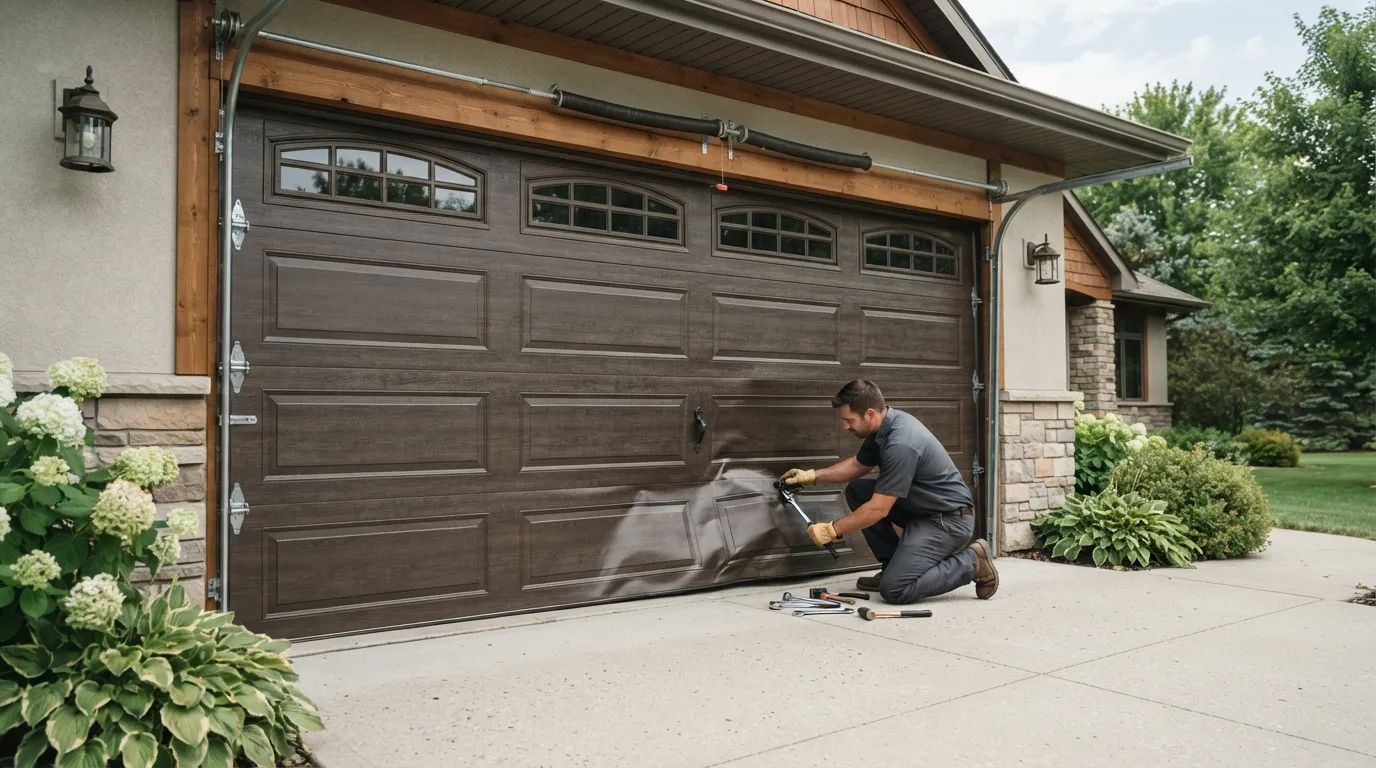
The fault we see most in Saratoga isn't a modern opener glitch - it's hardware that's older than the warranty sticker suggests. The median home here went up around 1967, and across this part of the service area that means original torsion springs, sometimes still on the factory drum, paired with steel doors that have gone through five decades of expansion and contraction. When a spring finally lets go on one of these doors, it's rarely a clean snap. The cable often frays first, the drum can shift on the shaft, and the bottom bracket on older single-panel doors takes stress the newer sectional designs were built to spread out.
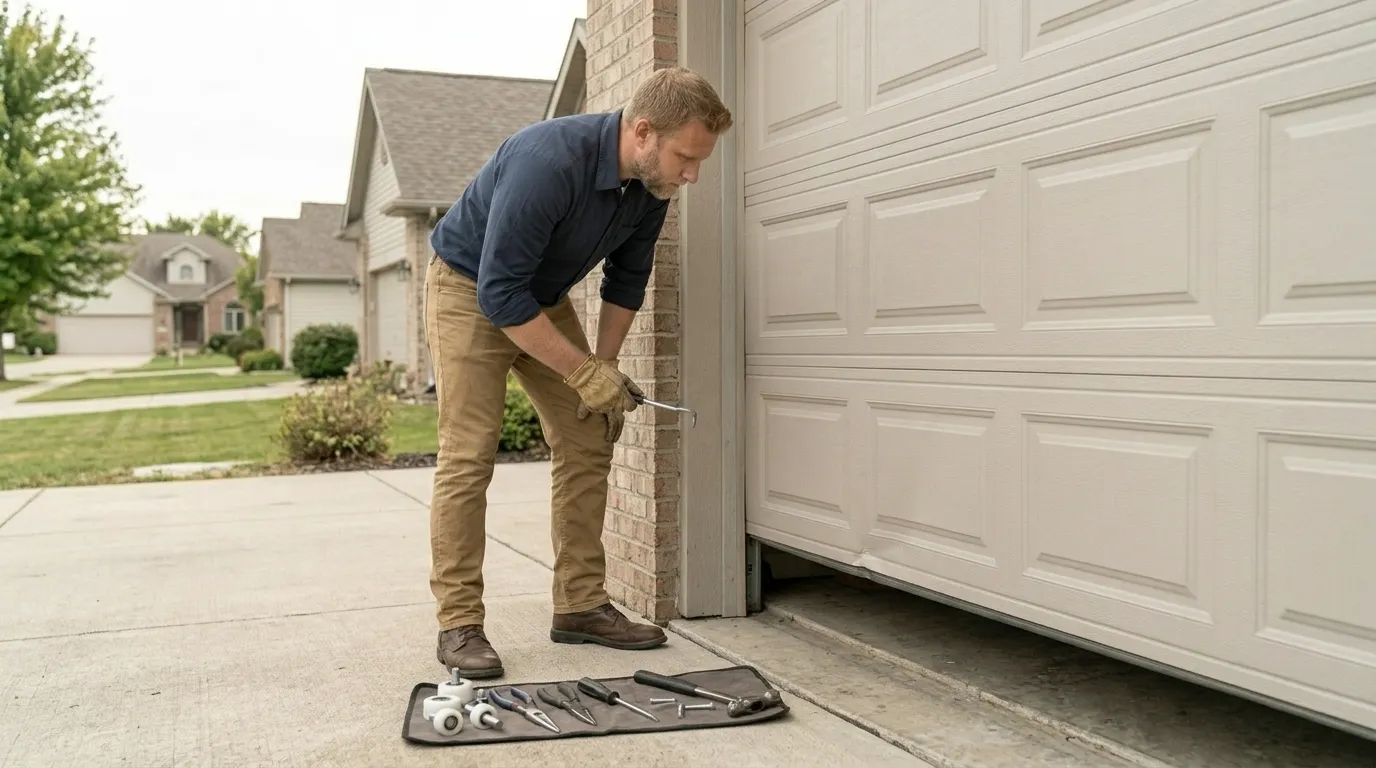
We start by matching the door to its era before we touch a torsion bar. A 1967-built door and a 2005-built door - both possible on the same street given the 1955-2005 build range across this area - don't share hardware, and guessing gets expensive fast. We measure the shaft, check whether the springs are original or already a mismatched replacement, and only then quote the fix.
Pricing
We don't post a number here because a 1967 door with original hardware and a door replaced in the last decade cost different amounts to fix, and quoting one price for both would be a guess dressed up as a fact.
What we can tell you is how we price it: we look at the door in person or over photos, tell you what's actually failed, and give you the number before we start the job.
Saratoga's household income runs well above the wider Fremont service area's median of $193,633, and in practice that shows up less in what people pay for a spring job and more in what they choose to do next - a fair number of Saratoga calls end in a replacement door rather than a patched repair, because the owner would rather not maintain 1960s hardware indefinitely. That's a call we lay out for you, not one we make for you.
Job timing
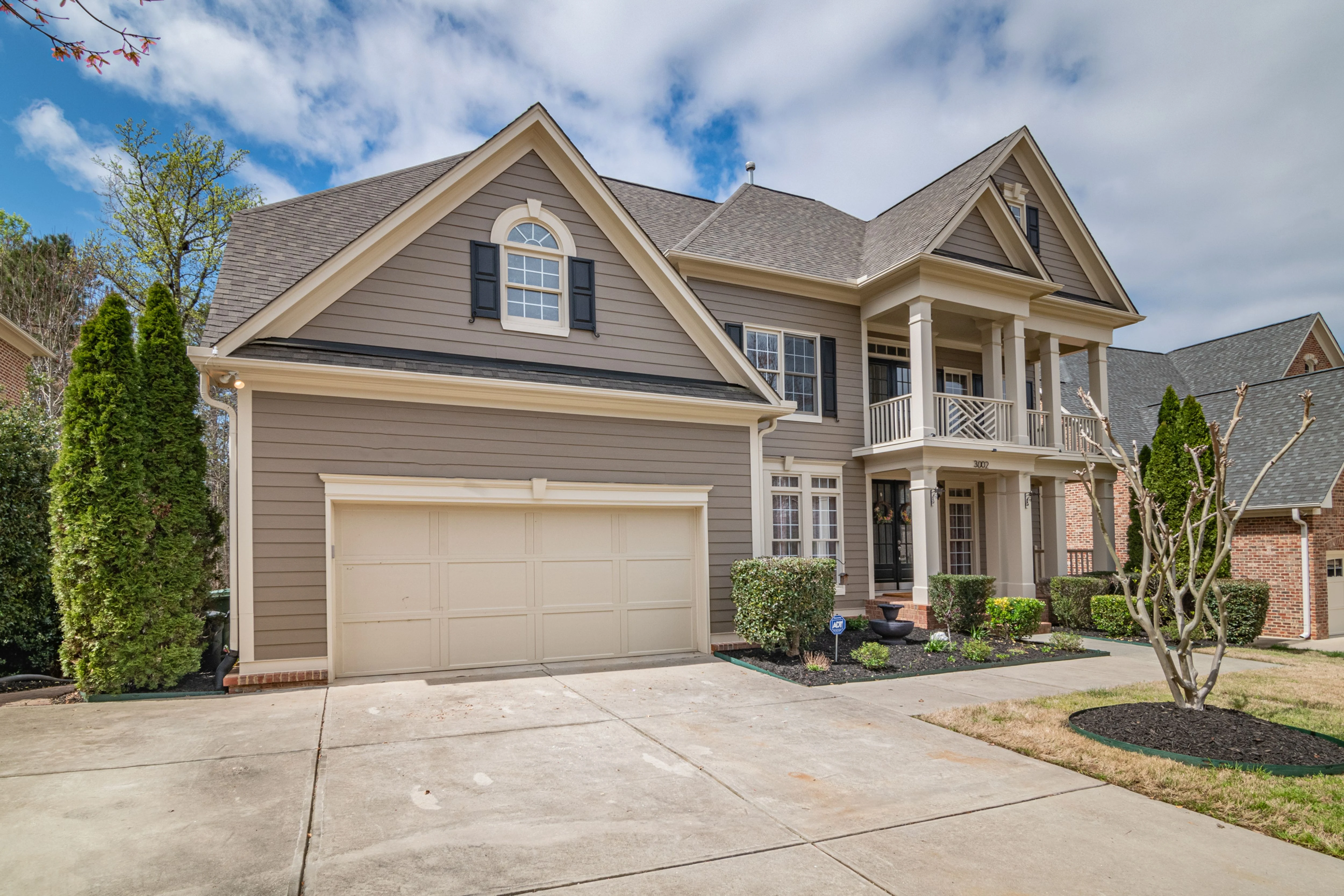
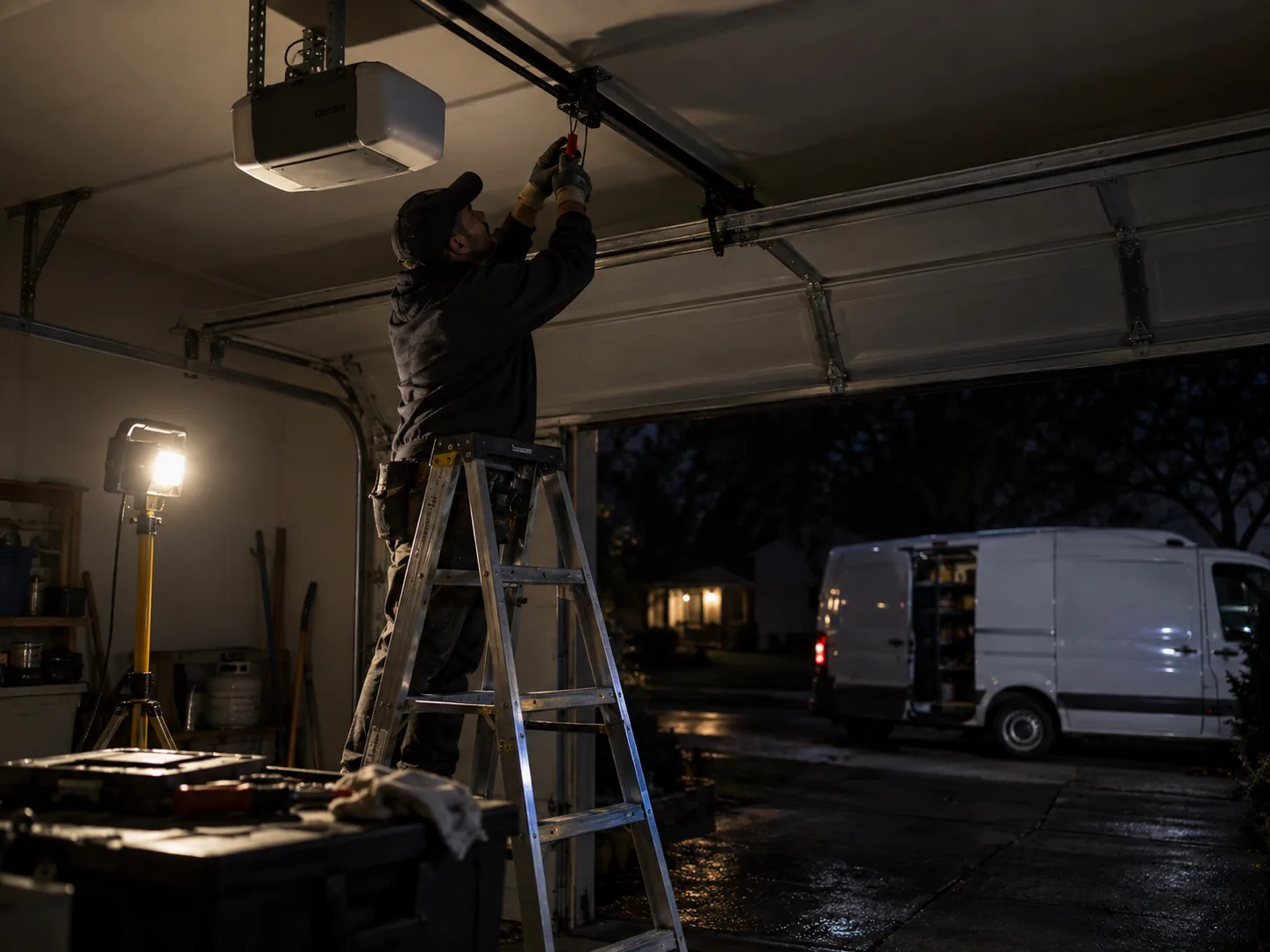
We run out of Fremont, about 16 miles from Saratoga, so the drive is part of scheduling a visit - we don't pretend to have a truck sitting closer than that. Once we're on site, a straight spring swap on a residential door is usually a shorter job than most homeowners expect; it's the diagnosis on older hardware that takes the extra few minutes, because we're checking drum wear and cable condition that a newer door wouldn't have.
If the door needs a part we don't carry on the truck - which happens more often on hardware original to a 1967 build than on anything installed in the last fifteen years - that's a second trip, and we'll tell you that up front rather than let you assume we're still working on the first visit.
Watch-outs
Saratoga sits in the same mild temperate band as the rest of this service area, so we're not fighting the kind of temperature swings that crack seals or warp panels the way harsher climates do.
That's the good news for a door this age. The complication is simpler: wear, not weather. Fifty-plus years of daily cycles on original torsion hardware means fatigue in places you can't see from the driveway - a shaft that's worn slightly oval where the cable drum sits, or a bearing plate that's been quietly loosening its lag screws since the Johnson administration.
We also run into doors that have had one prior repair with a spring that doesn't match the original wind or wire gauge. That mismatch puts uneven tension on the shaft and shows up later as a second failure, usually on the opposite side. Sorting out what's original versus what's been swapped in over the decades takes longer than the repair itself sometimes, and we won't guess at it.
On the truck
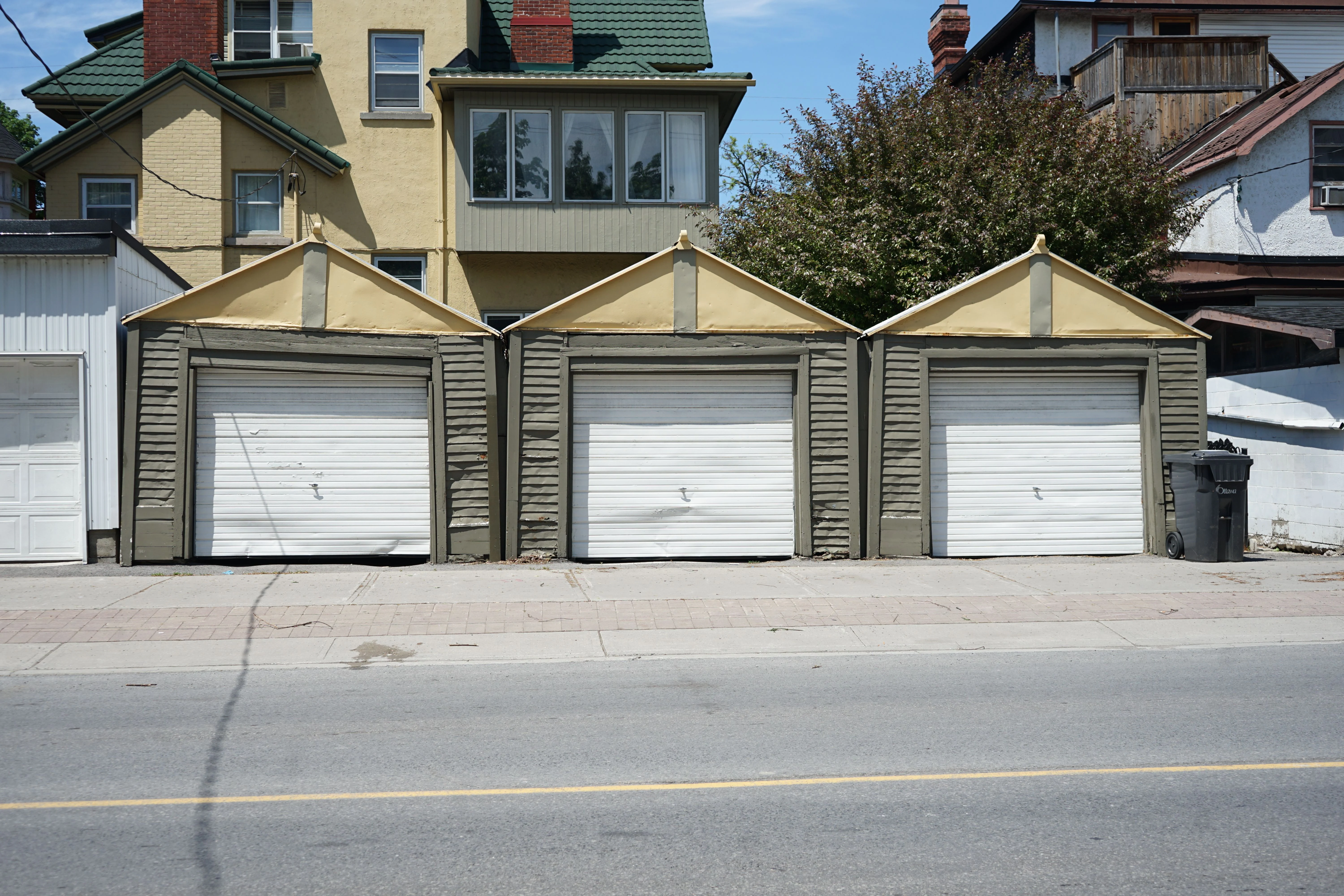
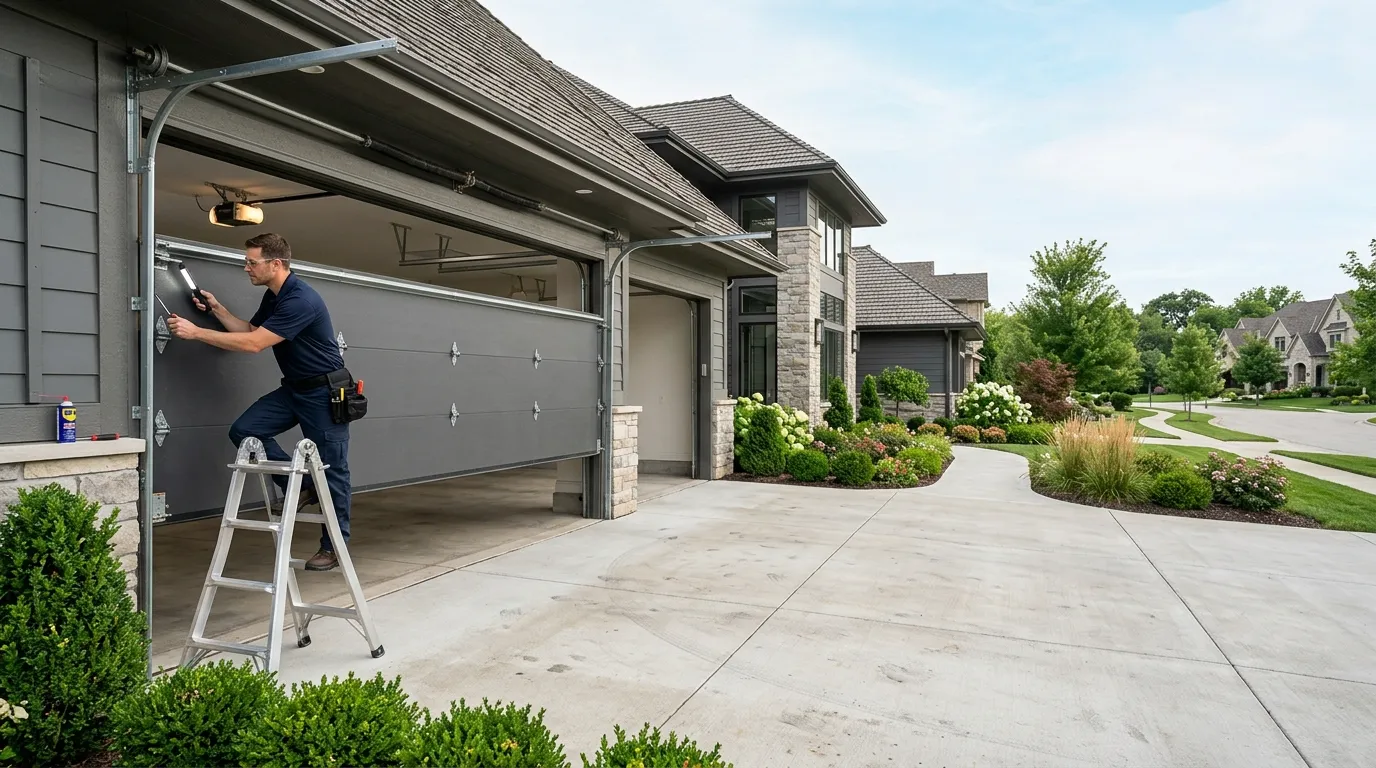
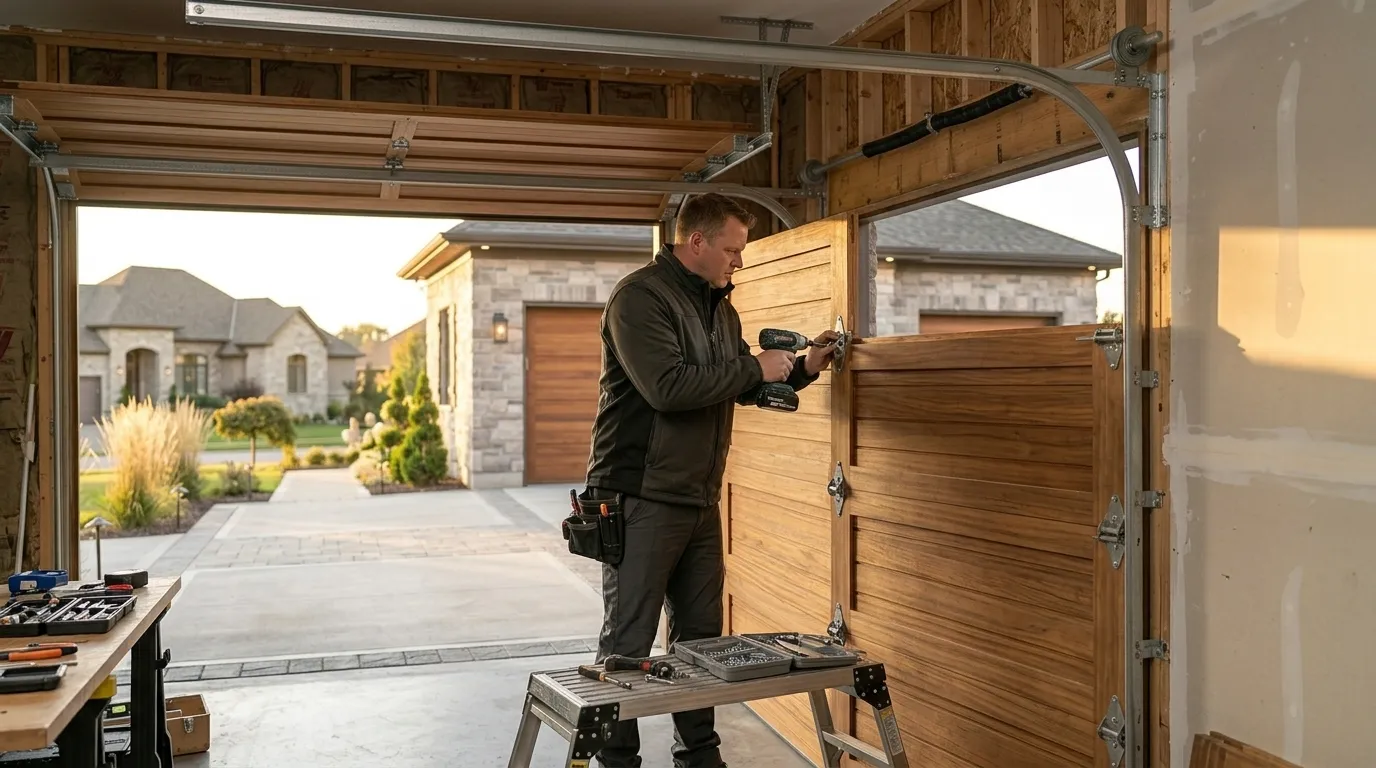
Our trucks carry torsion springs and extension springs sized for the hardware common across this area's 1960s-70s housing stock, since that's what shows up on most calls out this way. Standard rollers, cables, and bottom brackets for doors from that build era are on the truck too.
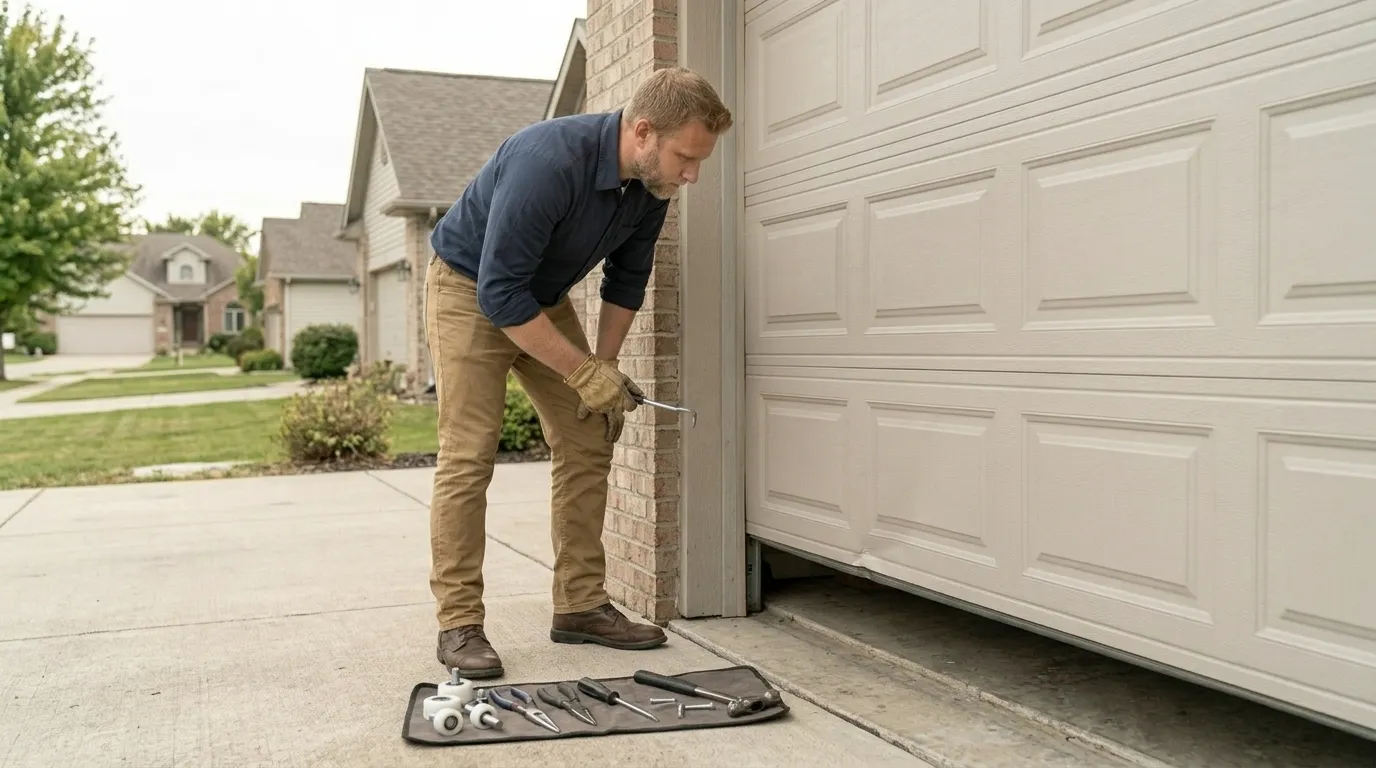
Where we run into a wait is genuinely old originals - a track profile or drum style that stopped being made decades ago. We're honest about it when we hit that wall: we won't force a modern part onto hardware it wasn't built for just to close the job same-day. Sometimes the right answer on a door built in the mid-1960s is a new section or a full replacement rather than chasing a part that's been out of production for years.
Warning signs
Most calls start the same way regardless of the neighborhood: the door won't open, or it opens and slams down halfway. In Saratoga specifically, given the median build year of 1967, we more often find the underlying cause is a spring that's simply reached the end of its cycle count rather than damage from an impact or a bad opener.
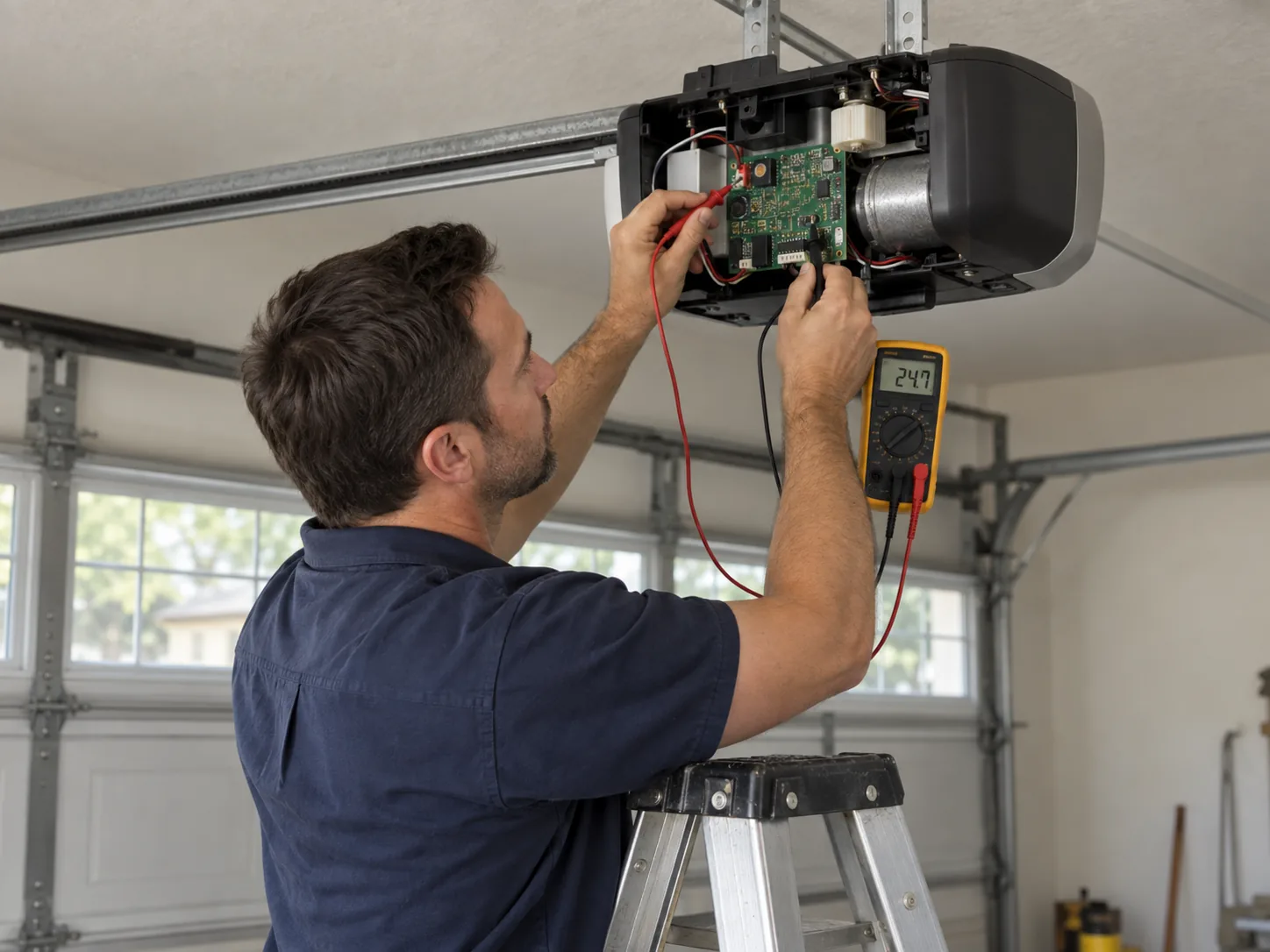
With roughly 10,753 households in Saratoga and household income well above the broader Fremont-area median, we also see more owners catching the early signs - a door that's started sagging on one side, or an opener that strains and reverses instead of finishing the cycle - and calling before the spring actually breaks. That's the door telling you it's tired, not that it's broken yet, and it's worth a look before it fails on its own schedule instead of yours.
Questions
Torsion and extension springs are rated for a cycle count, not a calendar date, so a door used a couple of times a day can run on original springs for decades. Given the median build year here is 1967, it's common to find hardware that's original to the house. It's not unusual - but it is due.
No. We run out of Fremont, about 16 miles away, and cover Saratoga from there. We don't have a branch or depot in town, so any quote you get from us includes that we're traveling in for the appointment.
Depends what's failed. A spring or cable on an otherwise sound door is usually worth fixing. If the panels are cracked, the track is bent, or the hardware is a mismatch of old and new repairs, replacement often costs less over time than chasing the next failure on old parts.
Not much. This area sits in a mild temperate band, so we don't see the heat-driven panel warping or seal failure that shows up in harsher climates. Most of what fails on doors here is age and cycle wear, not weather damage.
Explore more
Ready when you are
Fremont Garage Door Pros repairs and installs garage doors, springs and openers in Fremont, CA and the surrounding area.