
Existing opening matching
That changes the job. We're not building an opening to spec, we're matching one that's been there since the house went up, mostly around 1975 based on the housing stock in this stretch of the service area.
Newark, Fremont
New garage door installs for Newark's 15,184 households, most on 1975-era openings. We travel 5 miles from Fremont with stocked steel doors and matching hardware.
Job timing
Newark isn't a big town by household count - about 15,184 of them - but that number matters more than it looks. A place this size doesn't generate the volume of new-construction work you'd see in a bigger suburb, so most of what we install here is replacement: an old door coming down, a new one going up on an opening that's already framed.
That changes the job. We're not building an opening to spec, we're matching one that's been there since the house went up, mostly around 1975 based on the housing stock in this stretch of the service area.
That's a decade newer than the 1955-2005 range and 1966 median build you'll find across the broader Fremont area we work from, so the openings tend to be a more standard width - less of the odd, undersized framing you find on the older end of that range.
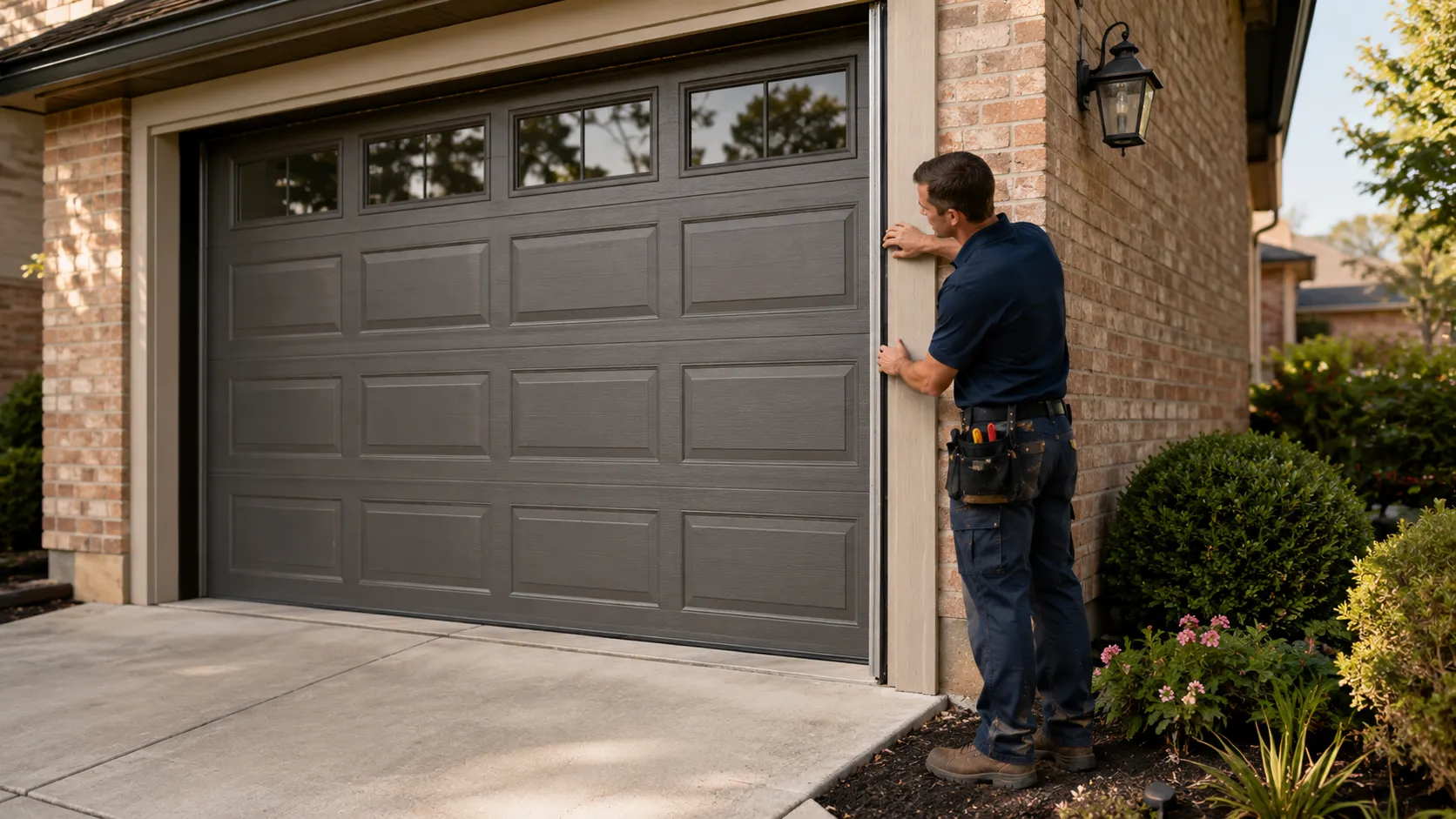
We size the door to the opening you already have, not the other way around, and we tell you upfront if that opening is going to limit your options before we quote anything.
Our process
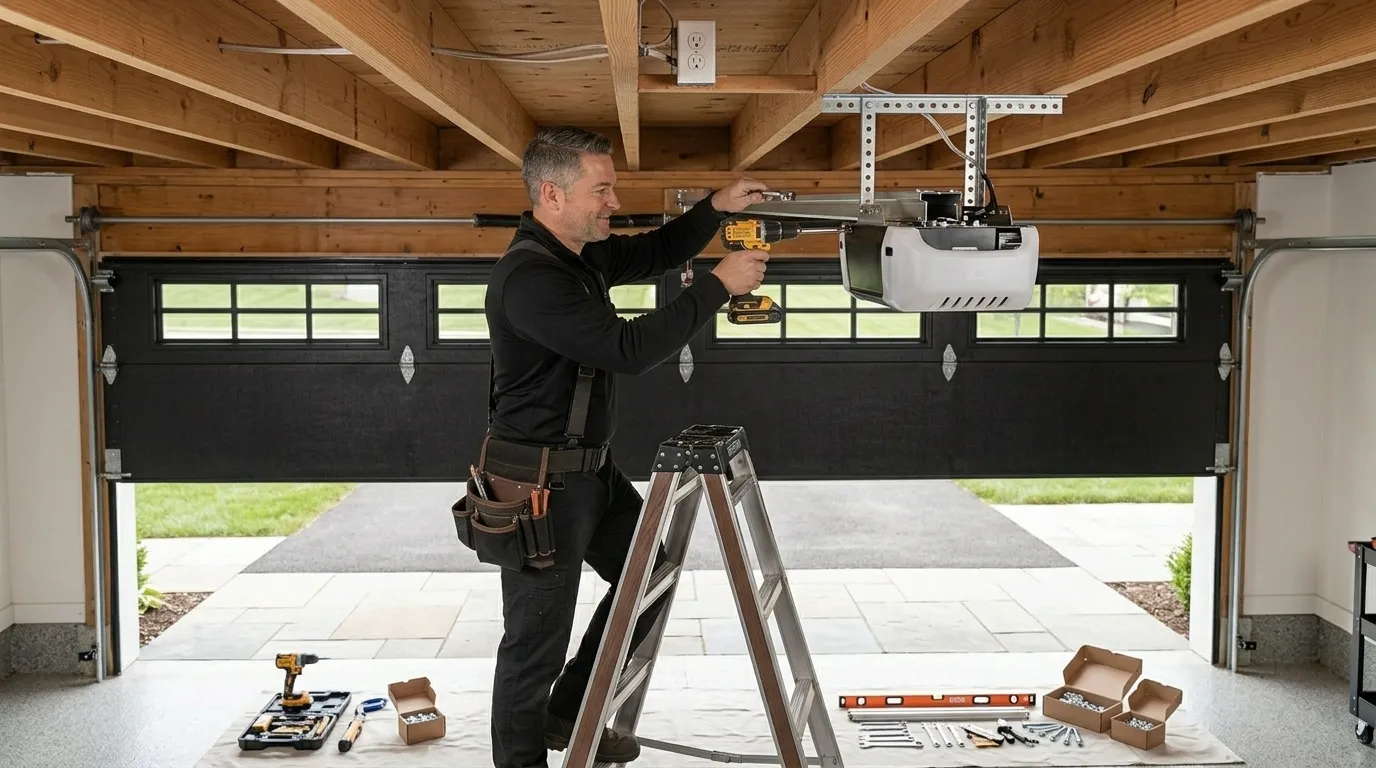
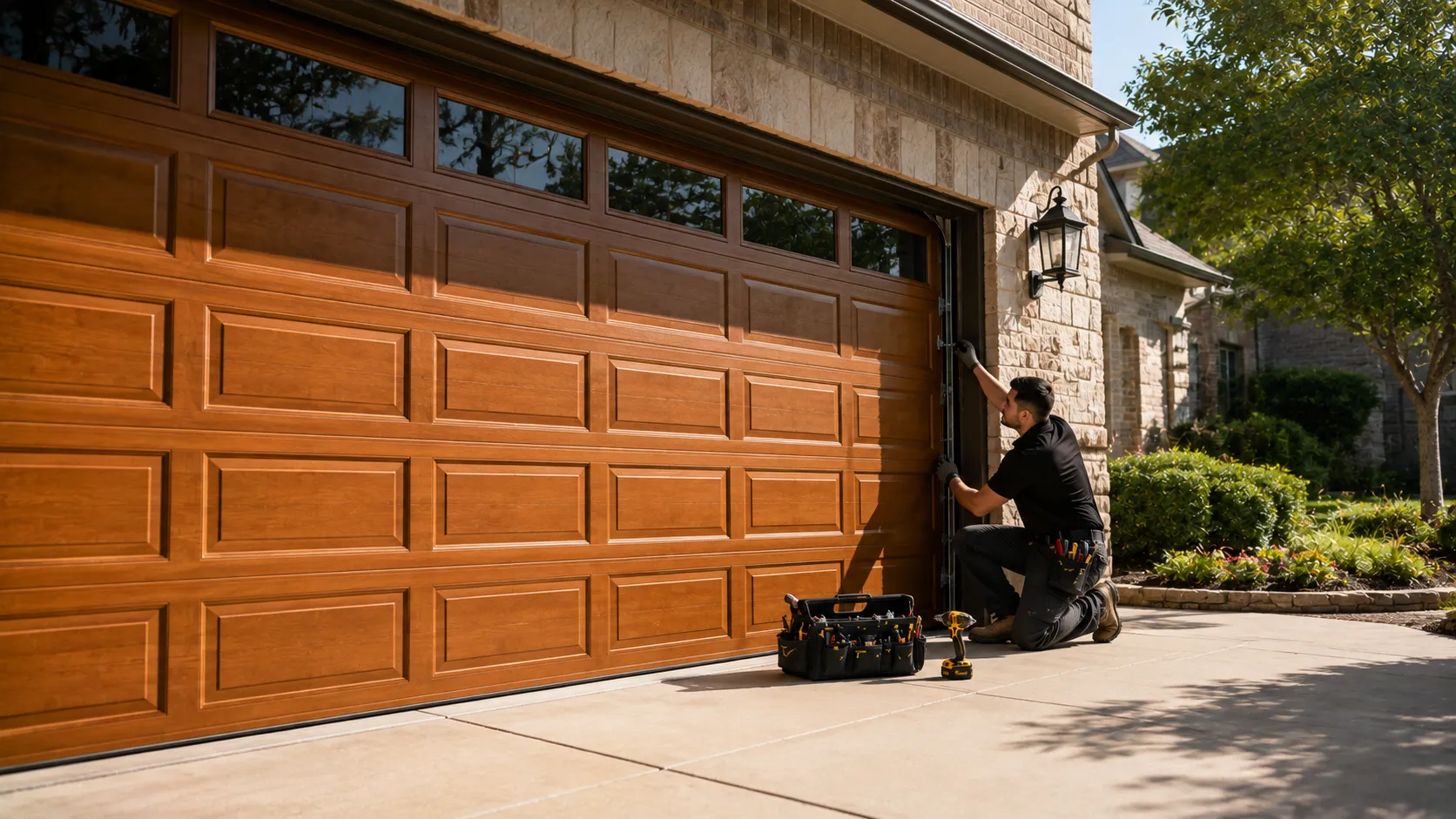
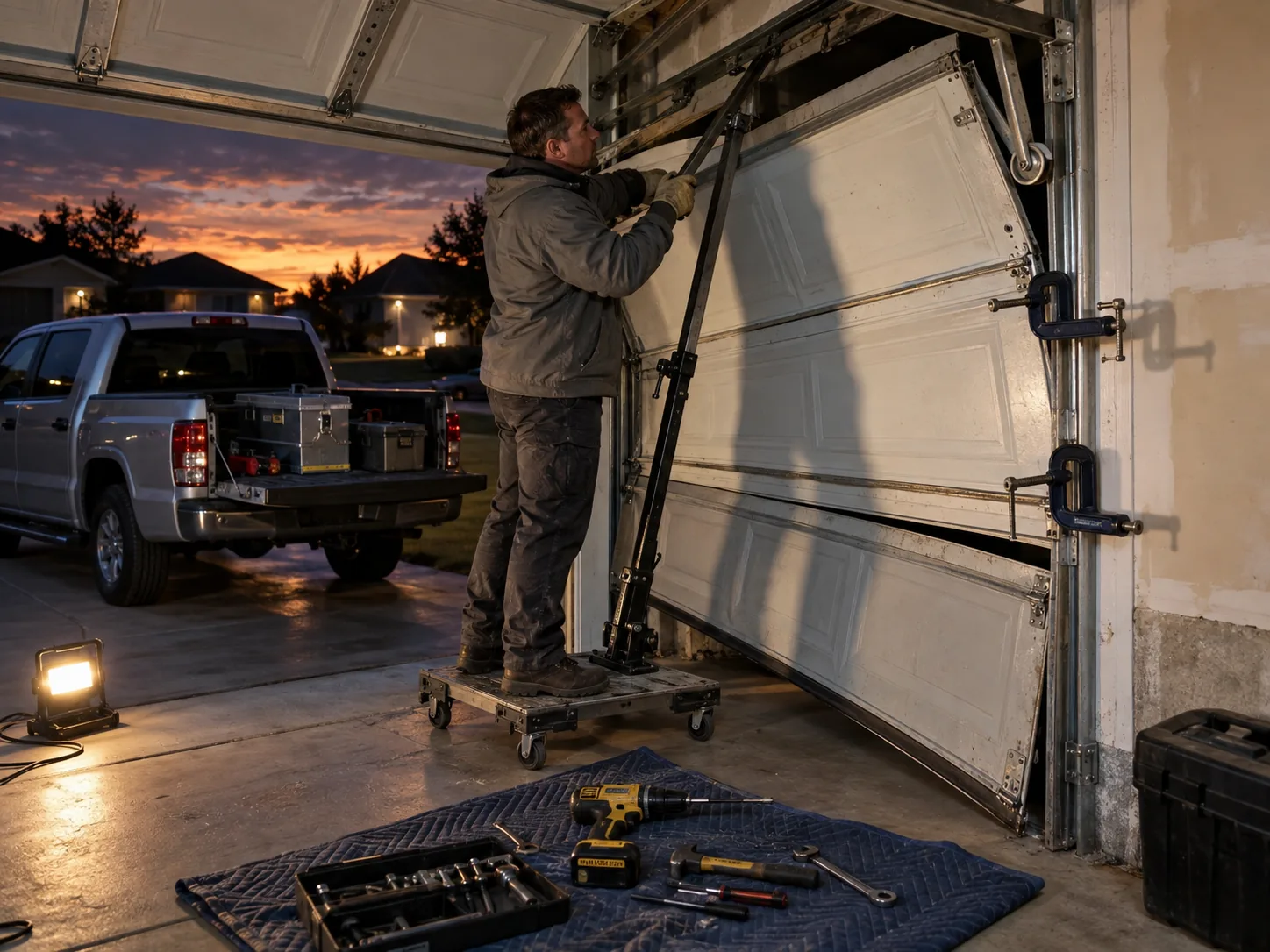
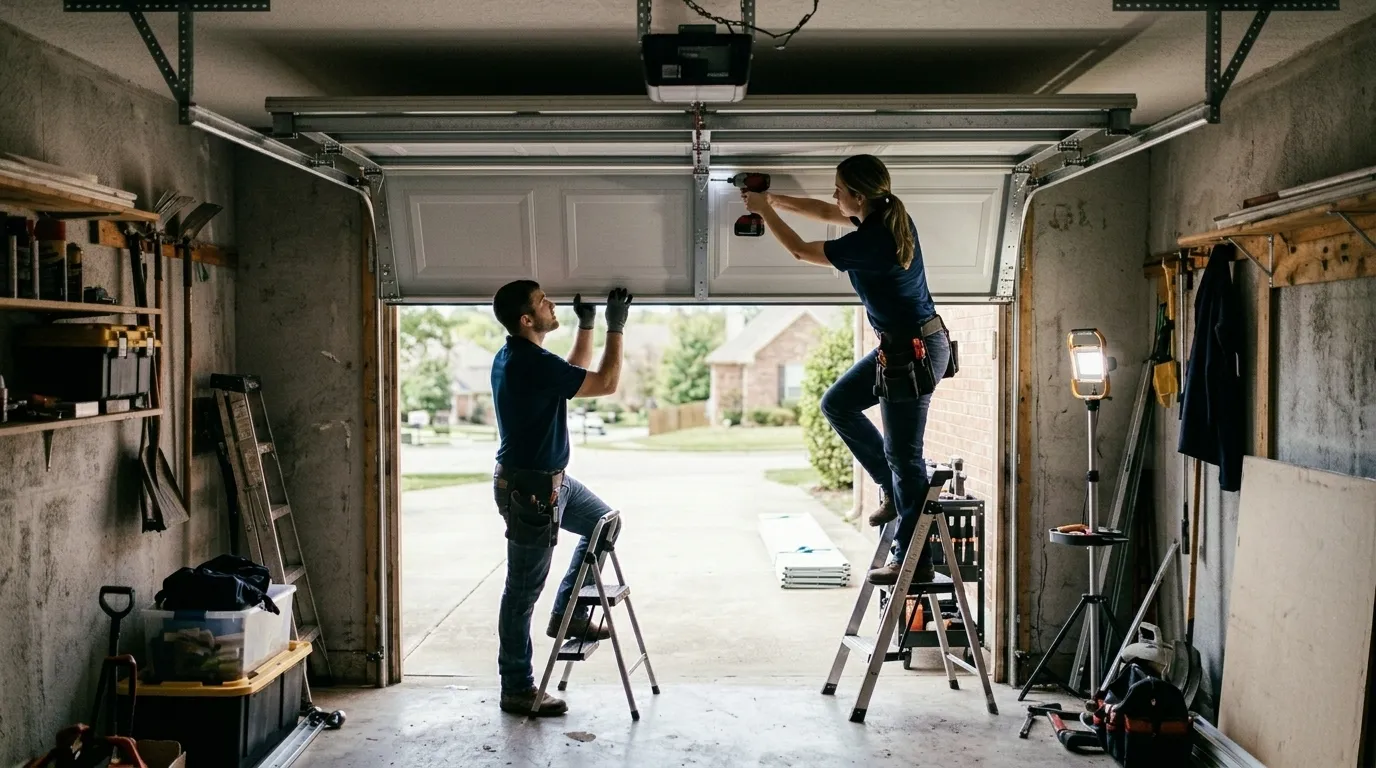
For a straight installation, we pull the old door and track off the wall, check the framing is square and sound, and set new track, hardware, and springs sized to the door going in - not just whatever fit the old one.
On a 1975-era opening the framing is usually standard enough that this is a clean swap: same rough opening, new steel sectional door on extension or torsion spring hardware depending on what the garage ceiling gives us room for.
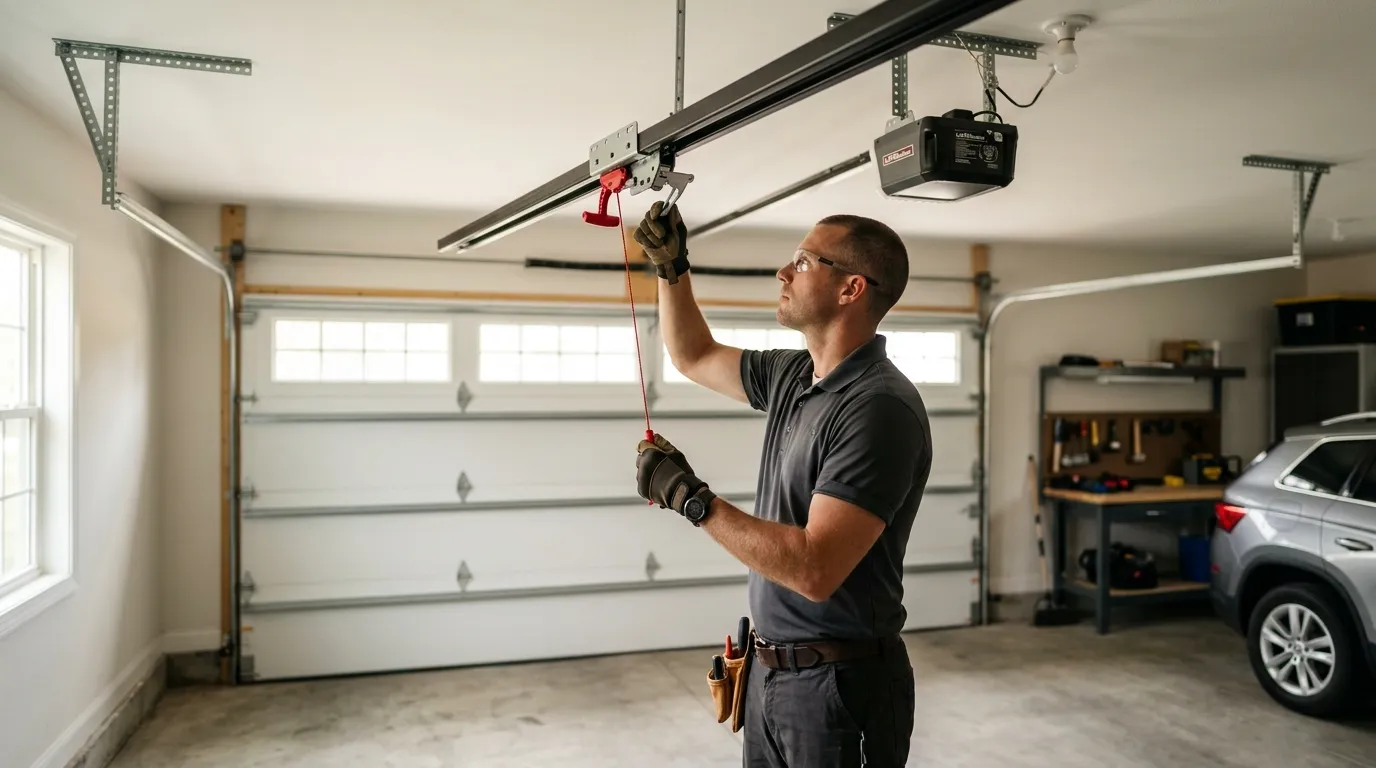
We balance the door to the counterweight of the springs before we ever plug the opener back in, because a door that's off-balance will burn out a new opener motor inside a year regardless of how good the door is.
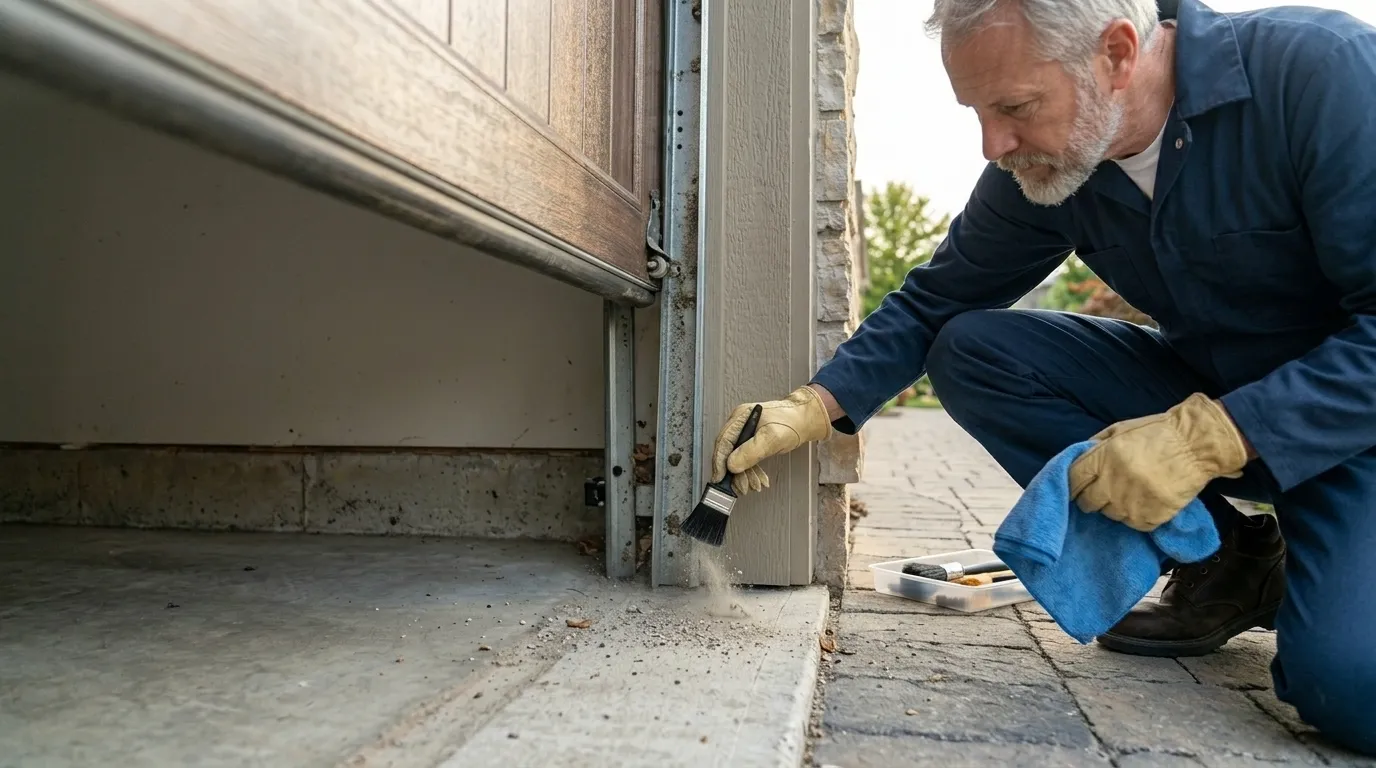
If the framing has settled or the header's been altered from the original 1970s build, we say so and price the extra carpentry separately - we don't fold surprise framing work into a flat installation quote.
On the truck
We run the truck out of Fremont, five miles from Newark, so what's stocked on it is what you get without a second trip. That includes standard steel sectional door panels in the widths that match 1970s-era openings, torsion and extension springs sized to common door weights, and the track and roller hardware that goes with a new install rather than a patch job. Because Newark's housing stock skews to a fairly narrow build window, the parts that move fastest here are the ones sized for those openings - we're not guessing at odd widths the way we might on a much older block. If you want a non-standard size, a custom insulated panel, or a specialty finish, that's a special order and it adds lead time; we'll tell you the wait before you commit to it, not after.
Warning signs
Most of the calls that turn into a new install here start as a repair call that isn't worth doing.
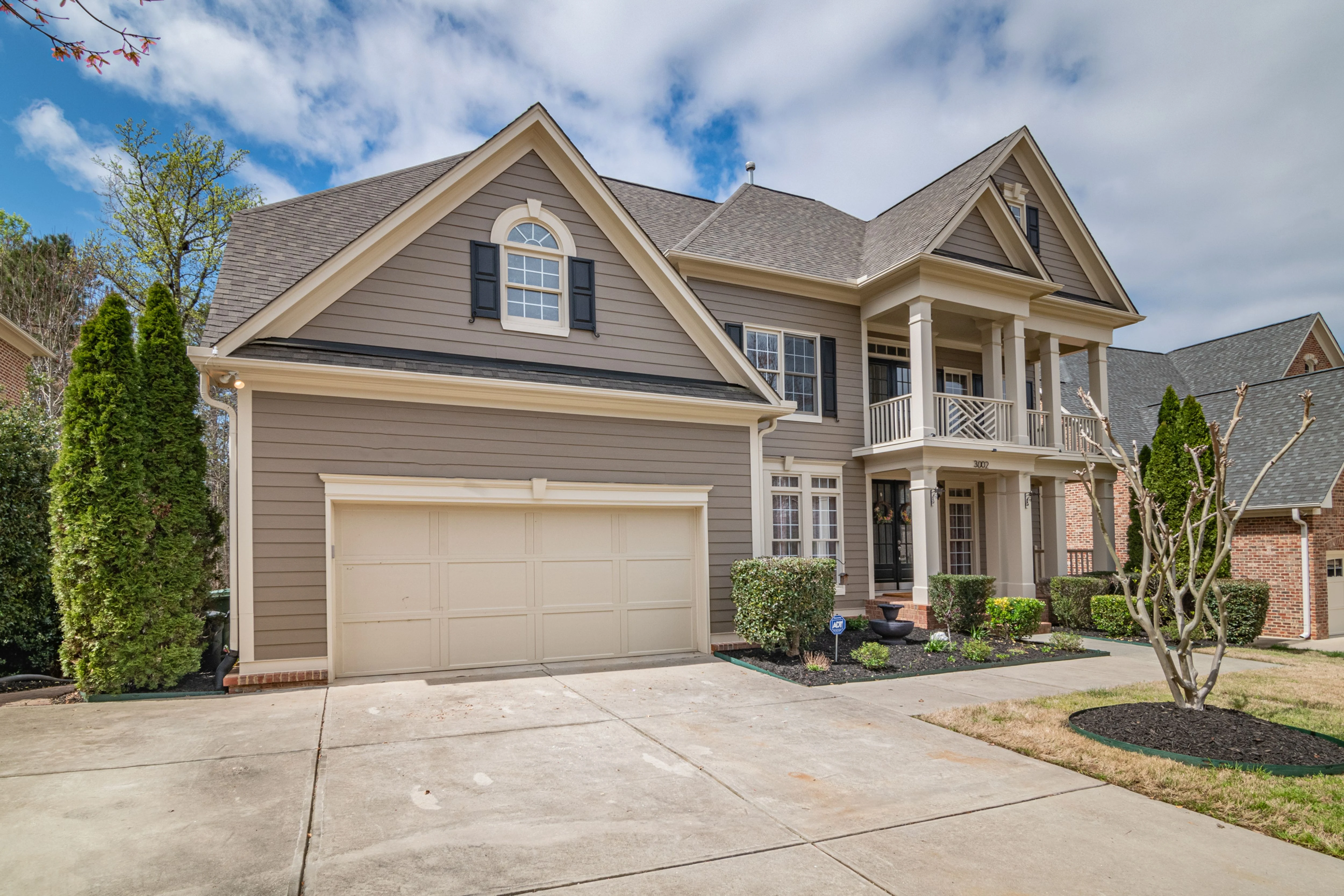
A door that's original to a 1975 build is now around fifty years old - the steel skin is thin by current standards, the spring is well past a normal cycle count, and the track has usually been bent and re-set more than once.
Owners call about a door that's noisy, sags on one side, or won't hold its balance after a spring replacement, and once we're under the hood the math usually points to replacement rather than another patch. Newark's median household income of $164,909 also shows up in what people choose once we're there - a fair number of owners skip the bare minimum door and go straight to an insulated, foam-core panel instead of pricing out the cheapest option first.
Local causes
Newark sits in a mild temperate climate band, same as the rest of the area we cover from Fremont, which means we're not fighting frozen track or ice-swollen panels the way installers in colder regions do. That's a real advantage for a new install - we don't need to spec heavy cold-climate weatherstripping or oversized insulation kits just to keep a door working through winter. What we are working around is age: a house built around 1975 has had fifty years of daily door cycles, garage heat swings, and salt-air exposure from being inland but not far from the bay, and by now most of that original hardware has simply worn out its service life. It's less a climate problem and more a clock problem - the door isn't failing because of weather, it's failing because it's been opening and closing twice a day for five decades.
Watch-outs
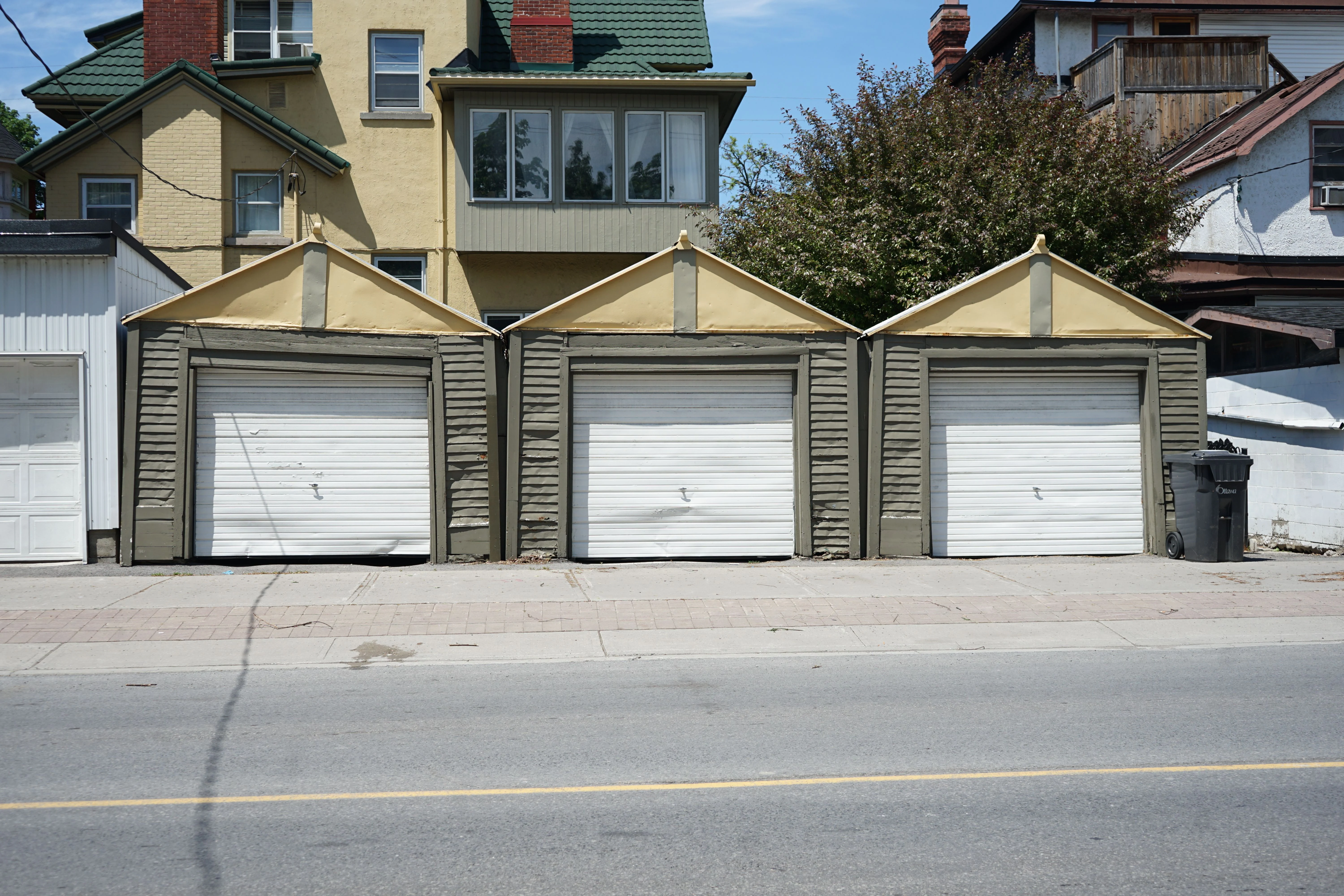
The honest limitation: if your opening was altered from the original 1970s framing - widened, lowered, or reinforced with add-on carpentry over the years - we can't always match a standard stocked door to it, and that pushes you into a custom order with a longer lead time. We also don't do the structural framing work itself; if the header needs rebuilding to take a new door, we'll point you to that trade separately rather than take on work outside garage doors. And because we run out of Fremont rather than staging a crew in Newark itself, a same-day install on a custom or special-order door isn't realistic - we tell you the real timeline once we know what the opening needs, not an optimistic one to close the sale.
Questions
Most of what we pull out is original or close to original to houses built around 1975, so the doors themselves are roughly fifty years old. At that age the steel is thin, the spring is well past its cycle life, and the track has usually been bent and reset more than once - replacement is almost always the better call than another patch.
No. We run out of Fremont, about 5 miles away, and bring the install truck to you. That's close enough that stocked standard-size doors and hardware are available without extra lead time, but we're not staging equipment locally, so scheduling runs through the Fremont shop.
Usually, yes - most Newark openings date to the mid-1970s and tend to be standard widths, so a stocked steel sectional door matches without extra framing work. If your opening's been altered since the house was built, we'll flag that during the quote rather than assume it'll fit.
It keeps things simpler. We're not specifying cold-climate weatherstripping or oversized insulation kits the way installers in harsher climates do. The bigger factor here is age of the existing hardware, not weather - a fifty-year-old door wears out on cycle count, not frost.
Explore more
Ready when you are
Fremont Garage Door Pros repairs and installs garage doors, springs and openers in Fremont, CA and the surrounding area.