
Retrofit opener independent failure
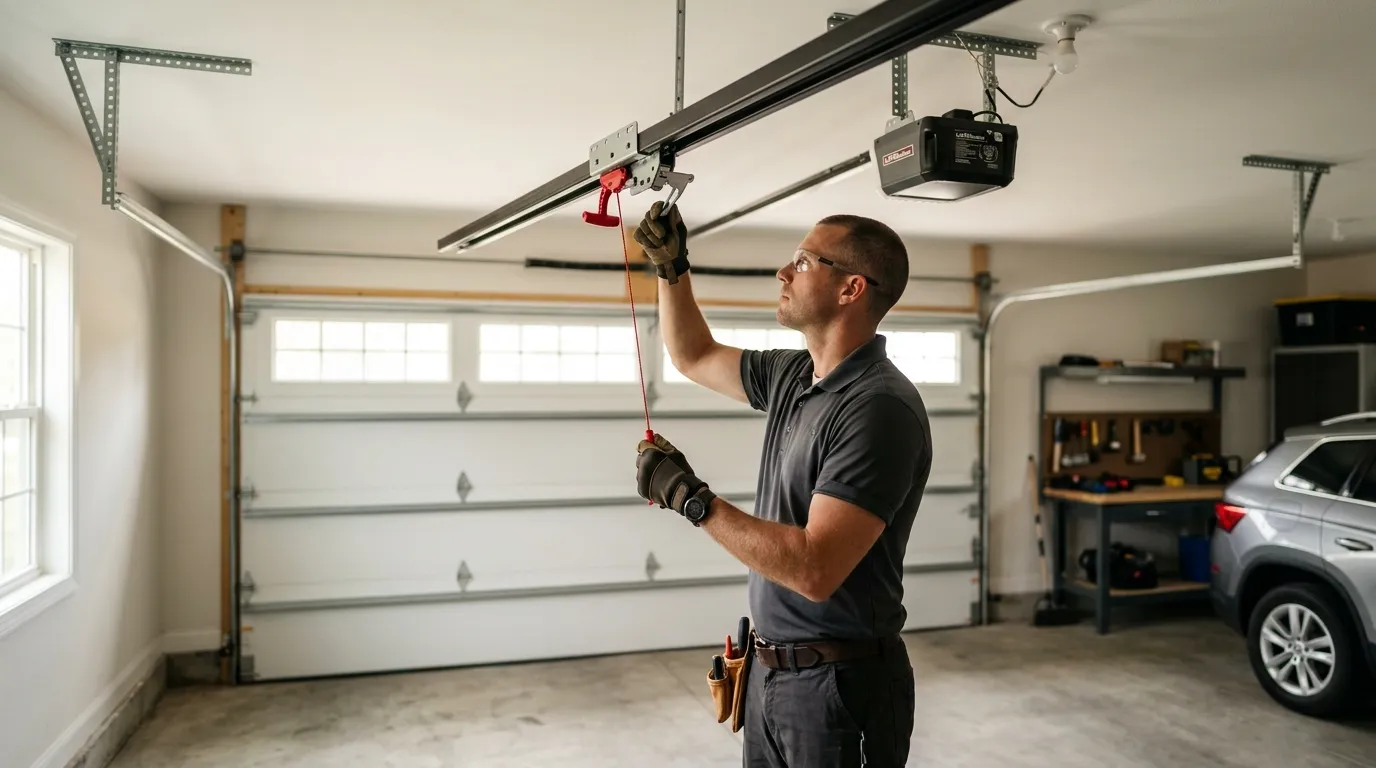
Openers installed as retrofits later in a house's life tend to fail separately - a worn drive gear or a dead capacitor - so it's common for us to find a door with a fine motor but a snapped spring, or the reverse.
Newark, Fremont
Newark homes median $164,909 income and 1975-era doors need different fixes than older Fremont stock. We drive the 5 miles from Fremont for broken springs, off-track doors, and dead openers.
Job timing
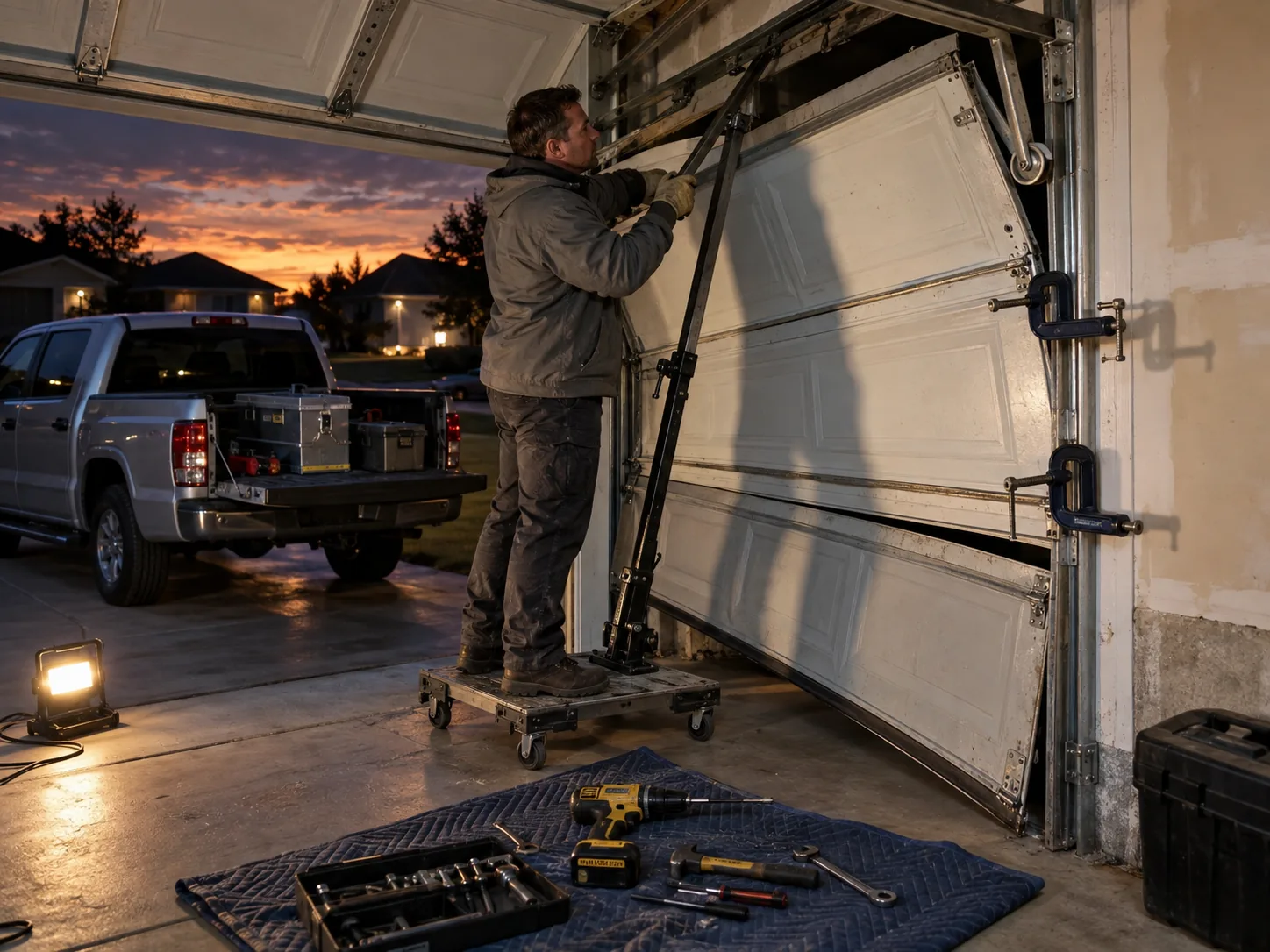
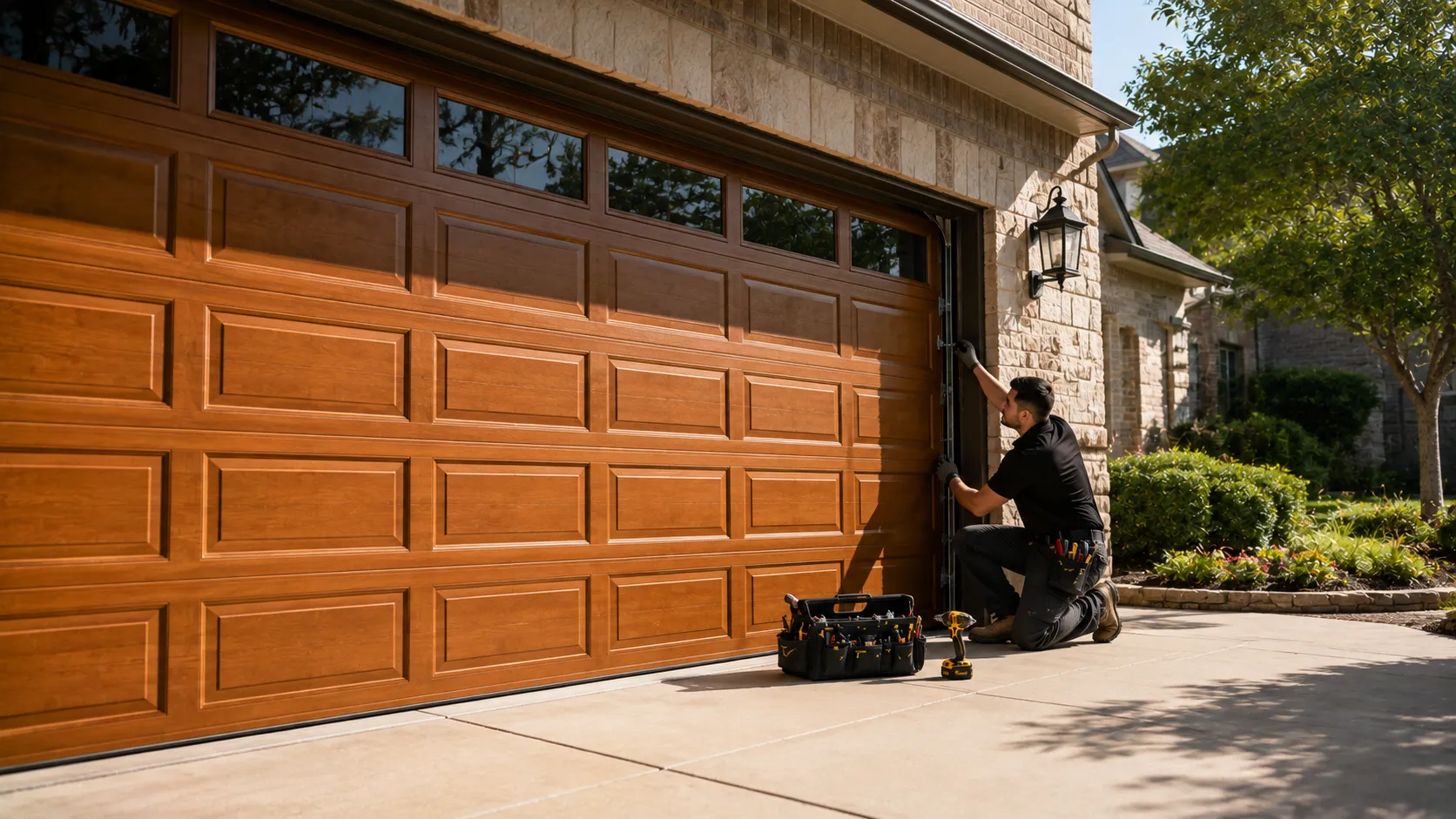
We're based in Fremont, five miles from Newark, and that's the honest number to give you: we don't keep a truck stationed in town, so what you're getting is a crew that drives over, not one that's already around the corner. Once we're rolling, most emergency calls - a spring that let go, a door stuck half-open, an opener that just quit - get fixed in one visit. What we can't promise is a specific minutes-to-arrival number, because we don't have that figure and won't make one up. What we can tell you is that a 5-mile run from Fremont is a short one, and it's the same route whether the call comes in at noon or at night.
Our process
Newark's median household income sits at $164,909, noticeably below the $193,633 median across the wider Fremont service area. That gap matters because it's usually the line between repairing and replacing.
On a torsion spring snap, a broken cable, or a cracked bottom panel, repair almost always wins here - the parts are affordable and the labor is a few hours.
Where the math flips is a door that's failing on multiple fronts at once: a bent track, a burned-out opener motor, and rotted panels on the same door.
At that point we'll tell you straight that a full replacement costs less over five years than three separate emergency calls, even on a tighter household budget. We diagnose first, then give you the number, and we don't upsell a fix nobody needs.
On the truck
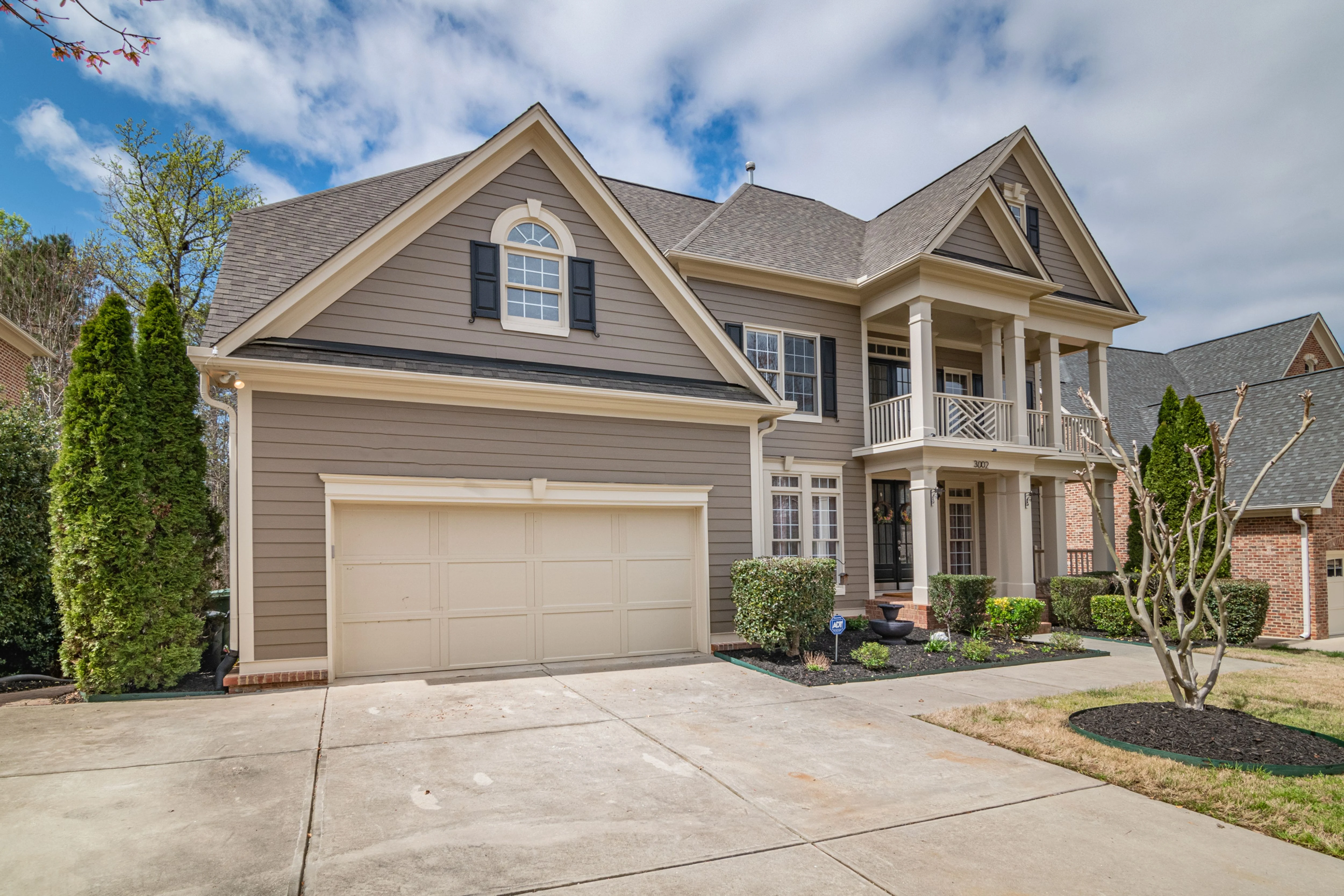
Newark's housing stock centers on 1975, later than the 1966 median across the broader service area covered from Fremont. That later build year means fewer of the original steel torsion-spring setups from the 1950s and 60s, and more of the extension-spring and early-torsion combinations that came standard through the 1970s. We carry springs, rollers, and cable sized for that era on the truck, along with common opener drive parts from the chain and belt-drive units that started showing up in homes built around that time. What we don't stock is anything custom-order - a discontinued panel profile or an obsolete opener logic board can mean a parts wait measured in days, not hours, and we'll tell you that up front rather than guess.
Warning signs
On a 1975-era door, the failure pattern usually starts with the spring, not the opener. Extension springs from that period stretch and fatigue with age, and when one goes, the door drops unevenly or won't lift past a few inches.
Openers installed as retrofits later in a house's life tend to fail separately - a worn drive gear or a dead capacitor - so it's common for us to find a door with a fine motor but a snapped spring, or the reverse.
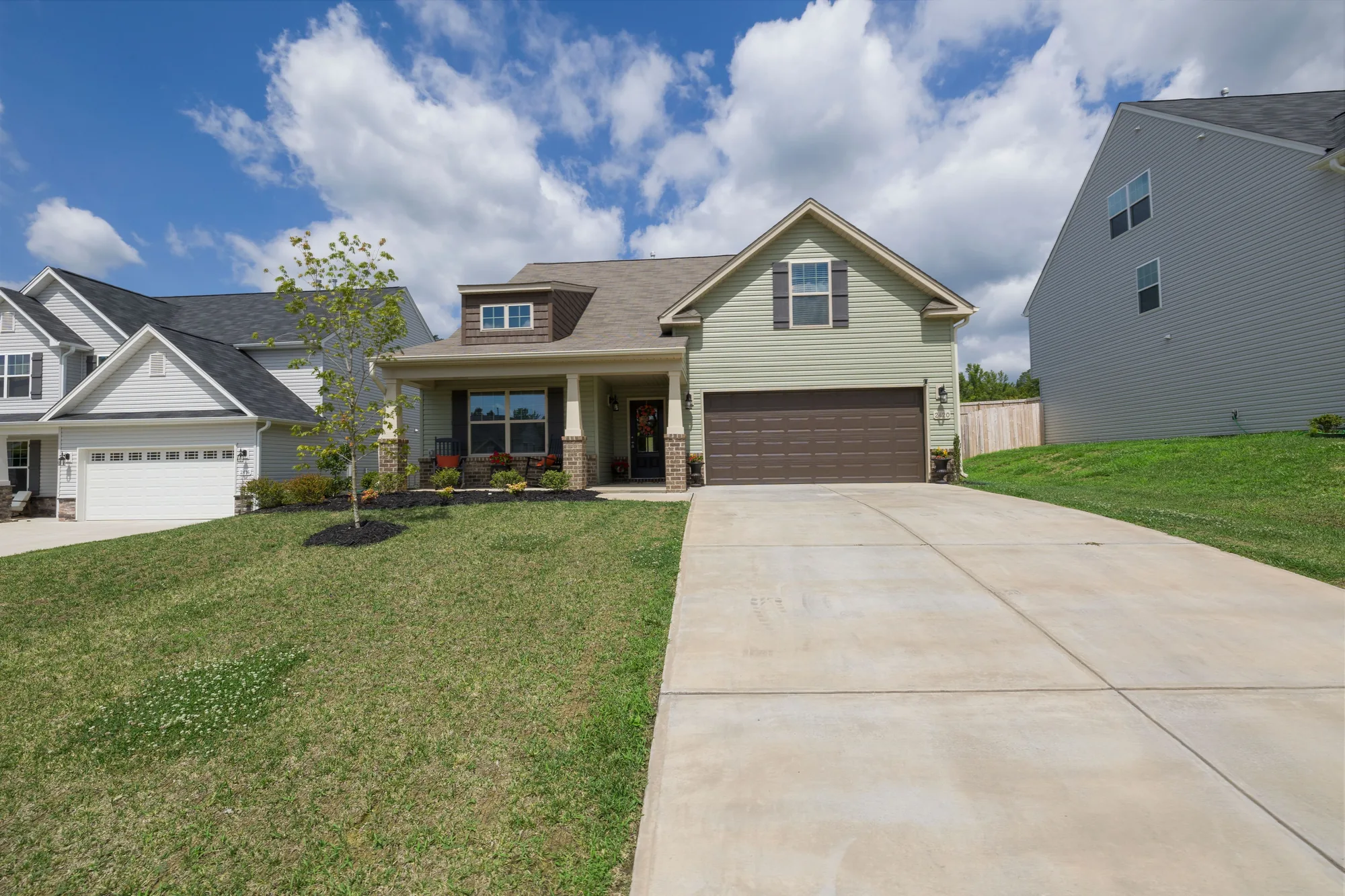
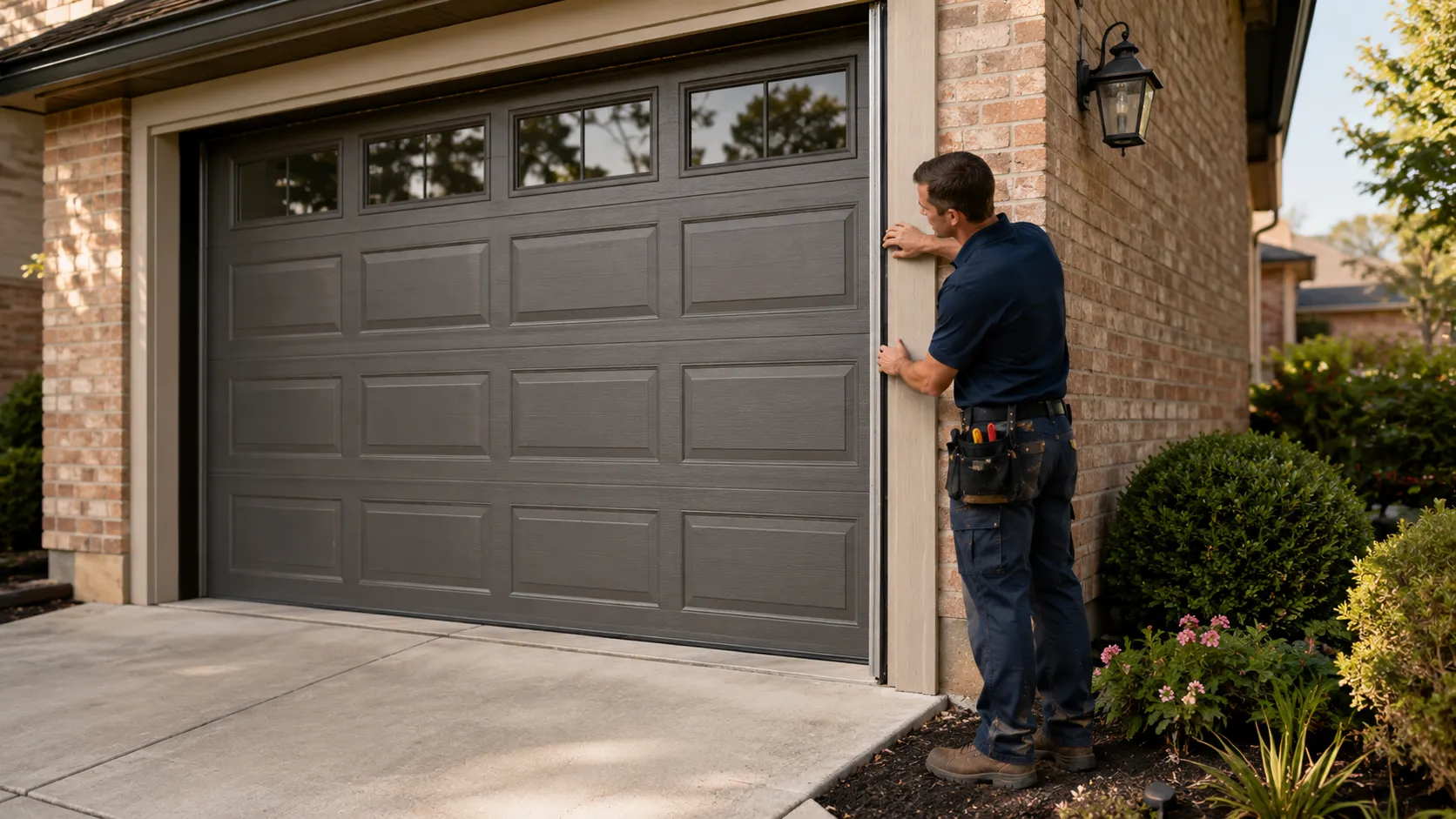
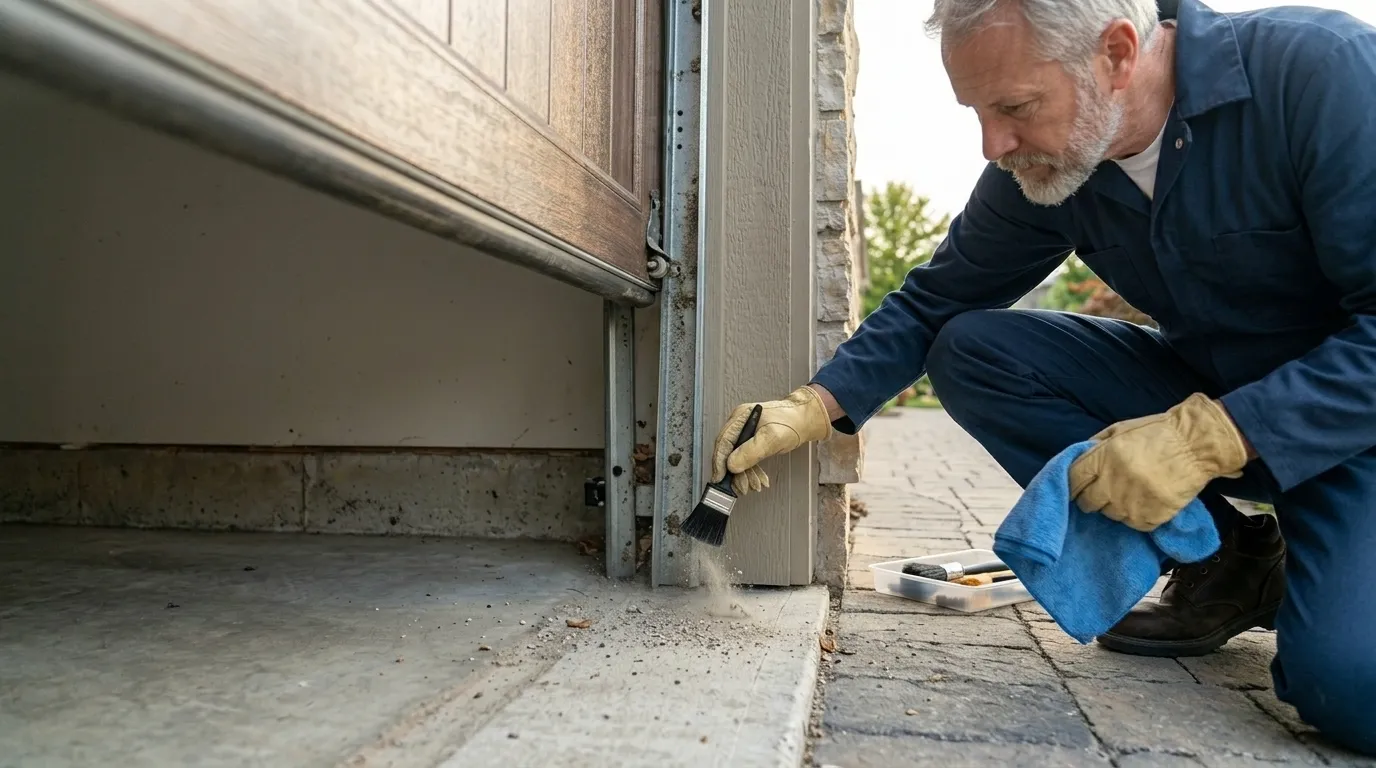
Panels on 1970s doors, especially steel ones, dent and rust at the bottom corners first, where water sits after the mild wet season.
Local causes
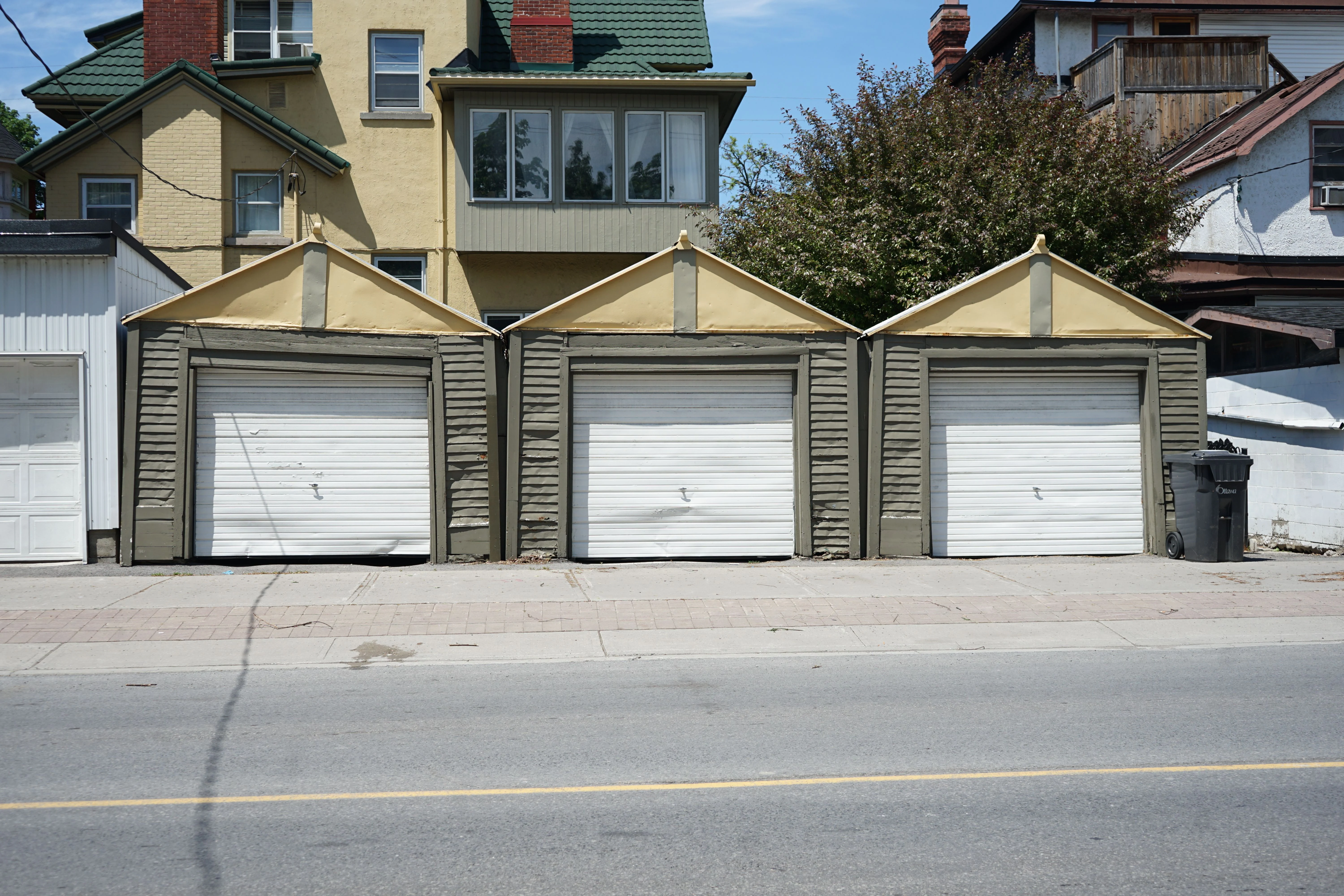
The climate across this part of the service area stays mild and temperate year-round, so we're not chasing the freeze-thaw damage or extreme heat warping you'd see elsewhere. What still wears out hardware here is simple age and use cycles - a door built into a house from 1975 has had roughly fifty years of openings and closings on the same spring set, track alignment, and roller hardware unless something's already been swapped. Households here run smaller in count than the roughly 331,204 across the full service area, but the failure causes are the same mechanical wear, not weather extremes.
Watch-outs
The complication we run into most in Newark is mismatched repairs from past work - a newer opener bolted onto original 1970s track, or an extension spring replaced with the wrong tension for the door weight. Those combinations can look fine until they fail suddenly, and sometimes what looks like a simple spring call turns into a track realignment once we're under the door. We'll always call before we go beyond the original estimate, but on an older setup like this, plan for the possibility that the first fix reveals a second one.
Questions
No. We operate out of Fremont, about 5 miles away, and drive to Newark for calls. We don't have a local branch or storage in town, so any parts beyond what's stocked on the truck may mean a short wait.
With Newark's median income at $164,909, a single-fault repair - one spring, one cable, one panel - is almost always the cheaper route. If your door is failing in two or three places at once, especially on a house built around 1975, replacement often pencils out better over a few years.
Extension and early torsion springs from the 1970s fatigue gradually with each open-close cycle. There's rarely a warning sign beyond a slightly heavier door in the weeks before - most owners don't notice until the spring actually lets go.
Explore more
Ready when you are
Fremont Garage Door Pros repairs and installs garage doors, springs and openers in Fremont, CA and the surrounding area.