Castro Valley, Fremont

Garage Door Repair in Castro Valley

Garage door repair for Castro Valley's tightly clustered 1966-era homes, serviced from Fremont 16 miles away. Torsion springs, steel panels, and tract-era hardware we know well.

Garage Door Repair in Castro Valley in Fremont
Serving Fremont, CABackground-checked techsHonest, upfront pricingFast local response

Job timing

Time on the Job

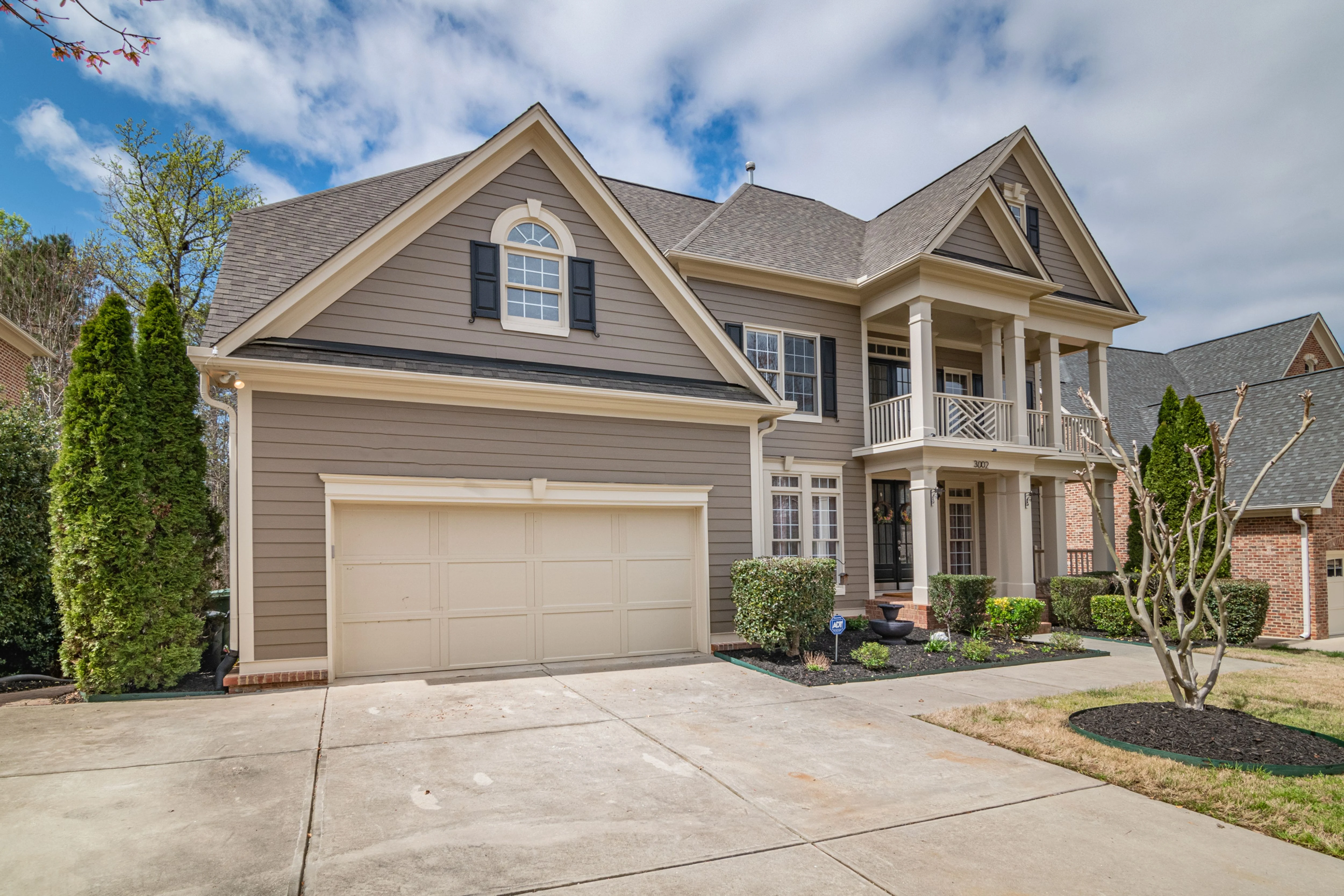
Castro Valley's housing stock lands right on the service area's median build year of 1966, but it doesn't spread the way the rest of the area does.

Service territory door generations

Across the wider Fremont service territory, homes went up anywhere from 1955 to 2005, which means a real mix of door generations, hinge patterns, and spring types depending on the block. Castro Valley doesn't have that mix. It's a tighter build, concentrated hard around the mid-1960s, which means most of the doors we see on a call here are the same generation of hardware, wearing out at roughly the same age, for roughly the same reasons.
Predictable tract failure patterns

That matters for how we plan the job before we even leave Fremont. A tract built in one stretch of years tends to fail in predictable ways. Torsion springs rated for a certain door weight, wound on the same size drum, mounted the same way above the header.

Known door layout patterns

When one goes, we're not guessing at what's behind the bracket. We've usually seen the layout on the last call three streets over. It also means when something breaks that isn't standard for a 1966 door, it stands out.

Non-standard retrofitting signs

A rewired opener, a retrofit steel replacement panel, a spring swapped to a size that doesn't match the door - those show up fast on a stock this uniform, and they're usually the reason the fix took longer than it should have.

Our process

How We Fix It

We start with the door as built, not the door as it should have been. Mid-1960s garage doors in this stock were mostly single-layer steel or wood, hung on side-mounted torsion or extension hardware depending on the original builder.

  1. Identifying prior repairs

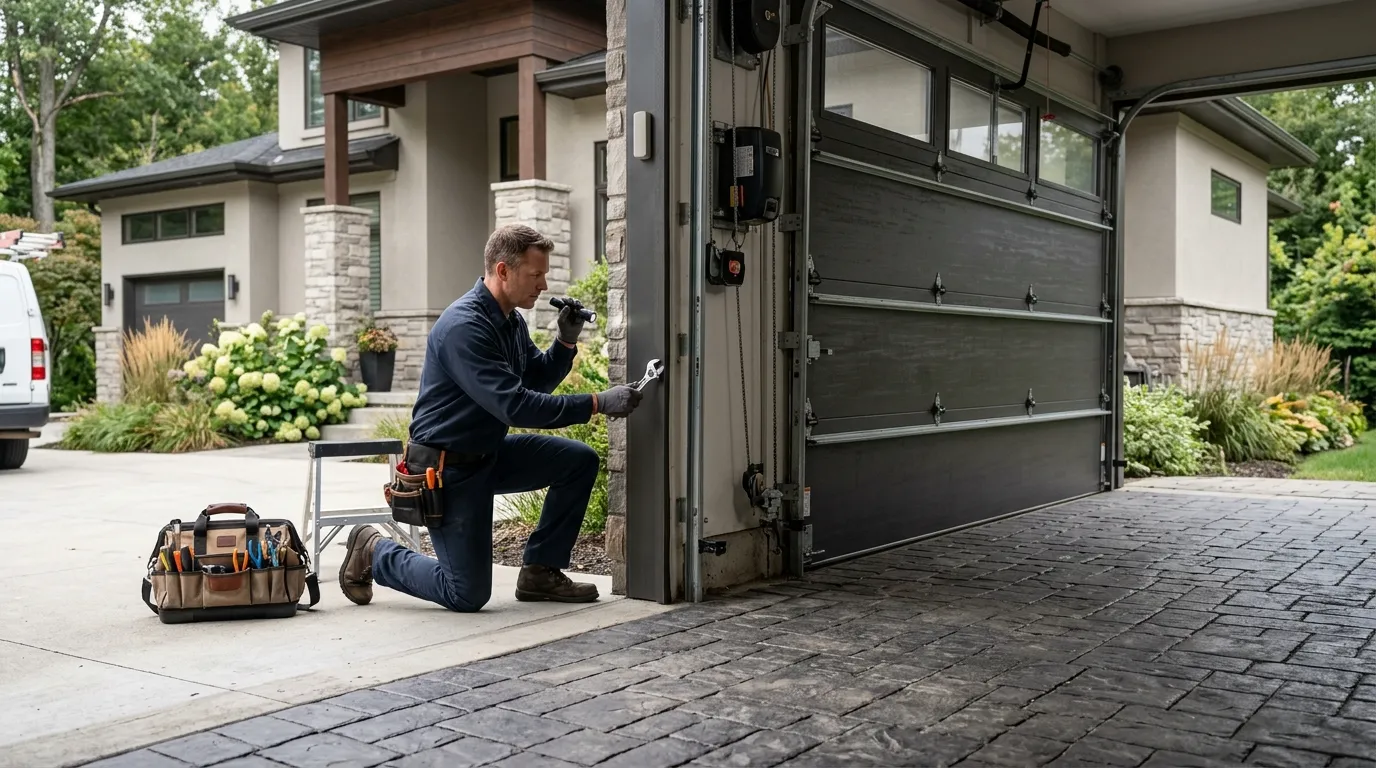
    Sixty years on, most of that original hardware has been touched at least once - a spring replaced with a slightly wrong size, a track re-bent instead of replaced, an opener bolted on later that was never matched to the door's actual weight. Our job on a repair call is to check the whole system, not just the part that failed.

  2. Related hardware testing

    A snapped cable on a door this old often means the drums or rollers are close behind it. We test balance, check the torsion bar for wear at the bearing plates, and look at whether the opener has been fighting a door that's out of spec for years rather than the day it finally quit. We don't replace what's still doing its job.

  3. Track and roller assessment

    If the track is straight and the rollers roll clean, we leave them. Castro Valley's mild climate means we're not fighting rust or frozen hardware the way some regions do - most of what fails here fails from age and cycle count, not weather, and that keeps a repair a repair instead of turning it into a full teardown.

On the truck

Stocked Parts

We carry what a 1966-built door actually needs, not a generic parts bin. Torsion springs sized for the standard single and double door openings from that era, extension spring sets for the older hardware that never got upgraded, and rollers and cables in the gauges that match side-mounted drums rather than the wider modern centerline systems.

Specialty parts ordering

What we don't stock on the truck is anything specialty - a custom wood panel replacement, an oversized commercial-grade spring, or an opener model that's been out of production for years. Those we order, and depending on the part, that can mean a wait before the second visit.

Same-day repair limitations

It's the one honest limit on a same-day fix: if your door needs a part nobody keeps on a shelf, the first call is a diagnosis and a temporary fix to get the door safe and closed, not a finished job.

Common parts inventory

For the bulk of what breaks in this housing stock, though, the parts are common enough that we're loaded for the call before we leave Fremont. A broken torsion spring on a 1966-era double door is not a special order. It's Tuesday.

Warning signs

How It Shows Up

The most common call from this part of the service area is a torsion spring that's simply reached the end of its cycle count - the door won't lift, or it slams down instead of lowering slow.

Spring mechanical fatigue

On houses this age, that's mechanical fatigue, not damage, and it's the most predictable failure we see. Second most common: a cable that's frayed through at the drum, usually on a door that's been slightly out of balance for months without anyone noticing until the cable finally gives.

Cable fraying progression

Third is opener strain - a chain-drive unit installed years after the house was built, working against hardware it was never sized for. Castro Valley's median household income sits at $138,069, noticeably below the $193,633 median across the wider service area, and that shows up in how repairs get handled here.

Opener strain from age

More owners choose a targeted spring or cable fix over a full door swap when the door itself is still sound. That's not a compromise call - on a door this age, if the panel and track are solid, replacing a spring is the right fix, not a stopgap.

Booking

How to Book

We travel to Castro Valley from Fremont, about 16 miles - the longer end of the drives we make regularly in this service area, and it's worth knowing that when you're deciding how you want the call scheduled. We don't keep a branch or a second crew based in Castro Valley itself, so a call here comes from the same trucks and the same schedule as the rest of our territory.

When you call, tell us the door's rough age if you know it, whether it's opener-driven or manual, and what it's actually doing - won't open, opens crooked, makes a bang when it drops. That's usually enough for us to guess the likely part before the truck even leaves, which cuts down on a second trip.

You can find more on how we handle repairs generally, and how the Fremont side of the business runs, through our other pages: [Castro Valley Garage Door Repair](/castro-valley-garage-door-repair/) and [Garage Door Repair - Fremont, CA](/garage-door-repair-fremont-ca).

How to Book
The Complications

Watch-outs

The Complications

The main complication with a house this age isn't the door - it's what's been done to it since 1966. A spring swapped out at some point for a size that's close but not exact puts uneven load on the opposite side of the shaft, and that shows up as a door that lifts crooked years later. A track re-bent instead of replaced after a car bump holds for a while and then binds without warning.

We also run into openers that were added decades after the original build and were never matched to door weight - too weak, and the motor burns out early; too strong, and it masks a spring problem until the day the spring finally goes and the opener tries to force a dead-weight door open anyway, which is a good way to strip a gear or worse.

The honest complication we can't get around: if a part on your door has been discontinued and there's no direct replacement, we're looking at either a compatible retrofit part or a full section swap, and that's a longer job than a same-visit fix. We'll tell you which situation you're in before we start, not after.

Questions

Common questions

Why does my Castro Valley garage door need a specific spring size instead of a standard one?

Because most doors here date to the mid-1960s and were built to a spec that isn't universal today. A spring rated for a slightly different door weight or drum size will lift the door, but unevenly, which wears the opener and the opposite hardware faster. We measure your actual door rather than assuming a generic size.

Do you have a branch located in Castro Valley?

No. We run out of Fremont, about 16 miles away, and travel to Castro Valley for calls. There's no local depot or second crew based here - it's the same trucks and schedule that cover the rest of our service area.

Is it worth repairing a door this old instead of replacing it?

Usually yes, if the panel and track are sound. Most failures on 1960s-era doors are a single worn part - a spring, a cable, a roller - not the door itself. We only recommend replacement when the frame or panel is damaged beyond a targeted fix, not because of the door's age alone.

What if the part my door needs isn't something you carry on the truck?

We stock the spring, cable, and roller sizes common to this housing stock, but specialty parts like discontinued opener models or custom panels have to be ordered. In that case, the first visit gets your door safe and functioning while we source the part for a second visit.

Ready when you are

Need a garage door sorted in Fremont?

Fremont Garage Door Pros repairs and installs garage doors, springs and openers in Fremont, CA and the surrounding area.

CallGet a quote